

Views: 0 Author: Site Editor Publish Time: 2026-10-24 Origin: Site


A custom straw hat can turn a summer accessory into a powerful branding tool. Why do brands choose them for outdoor events?This guide explores design options, logo customization, material quality, and bulk costs. Learn how to select straw hats that suit your audience and marketing goals.
Straw hats are closely associated with warm weather, holidays, beaches, gardens, and outdoor leisure. This makes them a natural fit for summer marketing campaigns. A resort can offer branded hats to guests, while a travel company can include them in seasonal gift packages. Outdoor event organizers can also use them as merchandise or staff accessories. The product feels connected to the activity rather than appearing like an unrelated promotional giveaway.
This seasonal connection can help brands present a consistent message. For example, a beachwear retailer may choose a natural-colored hat with a simple logo band. A music festival may prefer a bolder design that matches its visual identity. A tourism business could select a traditional silhouette that reflects the local destination. The design should support the event's atmosphere while remaining practical for the intended wearer.
Buyers should start by identifying the purpose of the campaign. Consider whether the hats will be sold, gifted to customers, distributed to employees, or used by event staff. Each situation creates different expectations for price, durability, and appearance. Retail merchandise may need more attention to finishing and packaging, while large promotional orders may prioritize cost control and consistent branding. Matching the design to the use case helps avoid unnecessary features and improves the product's overall relevance.
A branded straw hat can display a company name or logo while someone wears it at an event, on holiday, or during outdoor activities. This creates opportunities for visibility beyond the original distribution point. A guest may continue wearing the hat after leaving a resort, while an event attendee may use it during later summer activities. The brand message can therefore remain visible after the campaign has ended.
However, promotional value depends on whether people actually want to wear the product. An uncomfortable hat or an oversized logo may be less appealing than a design that combines branding with everyday style. Buyers should consider the audience's preferences, the product's fit, and the balance between decoration and appearance. A subtle logo band may suit premium hospitality merchandise, while a more visible embroidered design may work for event teams or outdoor promotions.
The best promotional products also fit naturally into the customer's routine. A hat intended for a beach event should be comfortable, easy to carry, and appropriate for the setting. A corporate gift may require more refined finishing and coordinated packaging. Before placing a bulk order, evaluate the product from the wearer's perspective. Ask whether it offers enough practical value to justify keeping and using it. This approach makes product selection more customer-focused and can support stronger brand recall.
The shape of a straw hat affects its appearance and suitability for different audiences. A fedora can create a more polished summer look, while a wide-brim design may suit beach resorts, garden events, and outdoor leisure campaigns. Lifeguard-style hats can be relevant to certain outdoor teams and themed promotions. Buyers should consider the intended setting before selecting a silhouette.
For example, Maxship offers an OEM Round Up Underbrim Print Cowboy Straw Hat that can serve as a reference for buyers exploring distinctive shapes and underbrim decoration. This style may suit campaigns seeking a western-inspired visual identity. Businesses should confirm the available materials, print options, sizing, and construction details before deciding whether it matches their brand.
A product style should reinforce the campaign rather than distract from it. Buyers can compare several samples against their intended audience, clothing style, event setting, and budget. They should also consider how the hat will look in promotional photographs and whether its decoration remains visible when worn. Selecting the right shape early helps guide material choice, logo placement, and packaging decisions. It also gives suppliers a clearer brief for producing a consistent bulk order.
Tip: Choose the hat style after defining the audience and campaign purpose. This keeps design decisions connected to real purchasing needs.
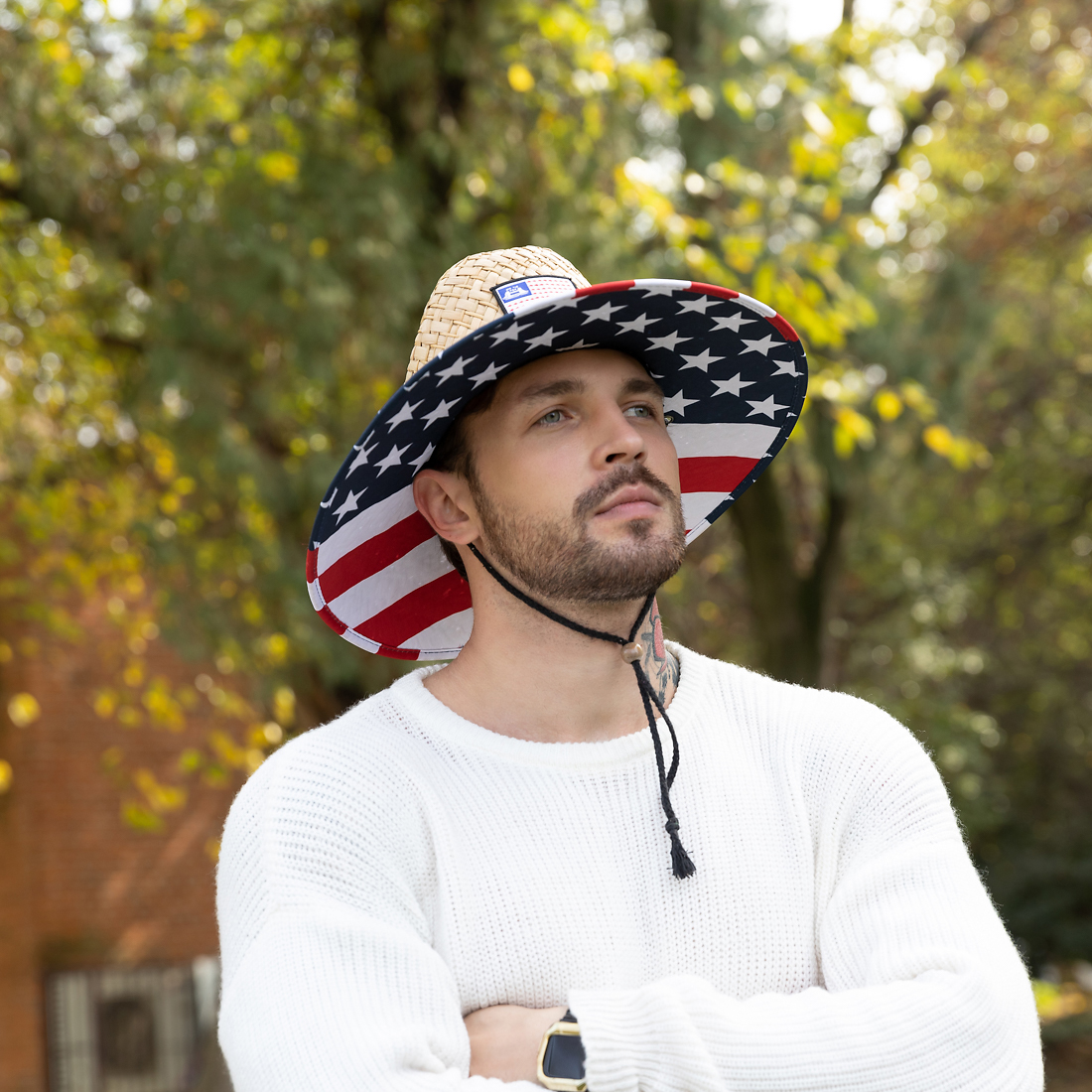
Outdoor events can expose hats to sunlight, wind, frequent handling, and long periods of wear. Buyers should consider these conditions when selecting a product. A hat for a beach promotion may need a comfortable fit and a brim that suits the event's activities. A staff hat may require consistent sizing, secure construction, and a design that looks uniform across the team. Retail merchandise may place greater emphasis on appearance and finishing.
The first step is to understand how the hats will be used. Will people wear them for several hours, carry them between locations, or receive them as part of a gift package? Will staff members wear them throughout an entire shift? These questions influence brim shape, material flexibility, weight, and fit. Buyers should avoid choosing a product solely because it looks attractive in a catalogue photograph.
It is also important to distinguish style from verified performance. A wide brim can provide physical shade, but it does not automatically establish a particular ultraviolet protection rating. Likewise, a straw-like appearance does not confirm the material composition or durability. If a campaign requires specific sun-protection claims, request relevant product documentation. Clear specifications help businesses communicate accurately with customers and reduce the risk of misleading promotional statements.
When a company distributes hundreds of hats at a festival, resort, or outdoor campaign, individual fitting may not be practical. Buyers should therefore review the sizing approach before placing an order. Some styles may use a standard circumference, while others may include adjustable features. The correct choice depends on the intended audience and the available product design.
Comfort also affects whether recipients continue wearing the hats. Consider the internal finishing, edge construction, weight, and contact points around the head. If the hat includes a decorative band or internal trim, check that it does not create unnecessary pressure. Request physical samples and test them on several wearers where possible. This can reveal fit issues that are difficult to identify from measurements alone.
For larger events, create a distribution plan before confirming quantities. Estimate attendance, staff requirements, spare units, and the number of hats needed for different groups. If several sizes or colors are required, confirm whether the supplier can provide them within the same order. Keep a record of the approved specifications to ensure that replacement units match the original shipment. Consistent products help event teams maintain a coordinated appearance and reduce last-minute sourcing problems.
A successful event product should reflect the event's visual identity without sacrificing usability. Custom straw hats can incorporate logos, color accents, printed underbrims, decorative bands, or other suitable details. The appropriate method depends on the hat material, artwork complexity, and intended budget. A simple logo may work well for a corporate gathering, while a resort collection may benefit from coordinated colors and more refined decoration.
Buyers should consider where the branding will appear when the hat is worn. A front-facing logo may be easy to recognize in photographs, while an underbrim print can provide a more distinctive design detail. A logo band may preserve the natural appearance of the hat while still communicating the brand. The selected method should suit the product's shape and the visual effect the campaign wants to achieve.
Maxship's Custom Brand Factory OEM Embroidered Logo Lifeguard Straw Hat offers a reference for branded outdoor headwear. Buyers considering this style should verify the available logo treatment, material details, dimensions, and any advertised performance specifications. They should also request a decorated sample to check placement and visibility. A consistent visual standard helps the hats look professional when worn by event staff, distributed to guests, or included in promotional packages.
Note: Confirm product dimensions and any claimed sun-protection features before printing technical claims on packaging or campaign materials.
The term "straw hat" can describe products made from different natural or synthetic materials. Buyers should confirm the actual composition rather than assume that every hat uses the same type of straw. Natural fibers may create a traditional texture, while synthetic materials can offer different construction and finishing options. The best choice depends on the desired appearance, budget, durability requirements, and intended use.
Material selection also influences how the hat holds its shape. Some constructions may feel more flexible, while others create a firmer crown or brim. Buyers should inspect the weave, edge finishing, seams, and internal structure. Look for loose fibers, uneven surfaces, or weak attachment points. If the hats will be worn frequently, ask the supplier how the product should be stored and handled to reduce damage.
For outdoor promotions, consider whether the material suits the expected environment. Humidity, repeated handling, and transport conditions may affect some products differently. If the hats will be shipped in bulk, request information about packing methods and whether the design can tolerate compression. A sample should be evaluated in the same way the finished products will be used. This gives buyers a more realistic view of the material's suitability than appearance alone.
Different straw hat designs support different branding techniques. Embroidery may suit certain fabric bands or suitable sections of a hat, while printed designs may work on selected surfaces. Decorative bands can provide space for logos, text, or campaign colors. Underbrim printing can create a distinctive detail, but it requires confirmation that the chosen material and construction can support the intended process.
Buyers should provide high-quality artwork and clear placement instructions. Specify logo dimensions, colors, orientation, and any required spacing. If the artwork contains small text or fine lines, ask the supplier whether the proposed method can reproduce it clearly. Some designs may need simplification to work well on textured or curved surfaces. These adjustments should be discussed before sample approval.
Request a physical sample with the actual branding method. Inspect the print or embroidery for color accuracy, alignment, clarity, and finishing. Check whether the decoration remains secure during normal handling. If several hat colors are involved, verify that the logo remains legible on every version. A consistent branding standard prevents different batches from appearing unrelated and helps protect the campaign's visual identity.
Color selection should reflect both the brand and the intended event. Natural straw tones often create a classic summer appearance, while colored bands or contrasting decoration can make a logo more visible. Some campaigns may require colors that match uniforms, signage, or retail packaging. Buyers should establish the color references early and confirm which options are available for the selected product.
Packaging also affects how the hats arrive and how they are presented. A retail product may require individual packaging, hangtags, or branded inserts. Event giveaways may need simpler packing that supports efficient distribution. In either case, the packaging should protect the hats during transportation without adding unnecessary cost or volume. Ask the supplier to explain how the hats will be arranged in cartons and whether the chosen packing method may deform the brim.
Maxship's Custom Logo Band Summer Beach Fedora Panama Straw Hat provides a reference for a summer hat design that uses a logo band. This may help buyers explore a more polished appearance for beach promotions, hospitality merchandise, or seasonal retail collections. Confirm the available band colors, logo options, material composition, packaging, and order terms before proceeding. A coordinated product and packaging plan helps deliver a more consistent brand experience.
Tip: Approve the physical sample, logo placement, color references, and packaging details before mass production begins.
Bulk purchasing can reduce the unit cost of custom straw hats, but larger orders also increase the amount of inventory a business must manage. Buyers should estimate demand before selecting a quantity. For an outdoor event, the calculation may include expected attendance, staff requirements, and spare units. For retail products, it should reflect sales forecasts, storage capacity, and the expected selling period.
Minimum order quantities vary by supplier, design, material, and customization method. A supplier may apply different minimums to colors or logo variations. Buyers should clarify these conditions before comparing quotations. If the campaign requires several designs, ask whether the supplier can combine quantities or whether each version must meet a separate minimum. This can influence the final budget considerably.
Avoid choosing a quantity based only on the largest discount. Unsold seasonal merchandise can tie up working capital and require additional storage. On the other hand, ordering too few units may lead to expensive repeat shipments or stock shortages during an event. A practical purchasing plan balances unit pricing with expected demand and replenishment time. Confirm the MOQ and available production schedule in writing before approving the order.
The factory price is only one part of the purchasing cost. Buyers should consider sampling, logo setup, material choices, packaging, inspection, freight, insurance, and applicable import expenses. These costs may differ significantly between suppliers. A quotation that excludes branding or packaging may appear cheaper while producing a higher final cost.
Request itemized quotations based on the same specifications and order quantity. Confirm the currency, payment terms, quotation validity, and shipping responsibilities. If one supplier includes custom bands and individual packaging while another quotes only the unbranded hat, their prices are not directly comparable. Ask for clarification whenever a cost component is missing or unclear.
A total landed-cost estimate helps buyers understand the financial commitment. Divide the expected total by the number of usable units to estimate the effective cost per hat. Include reasonable allowances for inspection and potential defects where appropriate. This is especially useful when comparing a basic promotional hat with a more customized product. The final decision should consider both cost and expected value, rather than focusing on the lowest unit price alone.
A reliable sourcing process depends on clear communication. Before placing an order, confirm the material, dimensions, color, branding method, quantity, packaging, and approved sample. Ask the supplier to provide a production schedule covering material preparation, decoration, inspection, packing, and shipping. These stages should be considered separately because delays in one area can affect the final delivery date.
Buyers should also confirm how the supplier handles changes and defects. If a material becomes unavailable or an artwork adjustment is required, the supplier should explain the impact on cost and timing. Important decisions should be documented in writing. This creates a shared reference and reduces misunderstandings during production.
For event-related orders, delivery timing can be especially important. Build a buffer into the schedule and confirm the transit estimate separately from factory lead time. Ask who arranges transportation, which costs are included, and what documents are needed for import. Maxship presents OEM support, product development, fabric sourcing, and shipping services as part of its offering. Buyers should confirm the exact service scope and order terms directly with the company. Clear planning helps ensure the hats arrive in time for the campaign and match the approved requirements.
Tip: Use one written specification sheet for every supplier quotation. This makes product quality, price, and delivery comparisons more accurate.
Custom straw hats combine summer style, practical use, and effective brand visibility. Maxship offers custom straw hats, OEM support, fabric sourcing, product development, and shipping services. Its flexible designs help brands create memorable merchandise for outdoor events and summer campaigns.
Custom straw hats combine seasonal style with wearable branding. They can suit beach promotions, resort merchandise, outdoor events, and summer retail collections while keeping a brand visible beyond the event.
Wide-brim hats, fedora styles, and lifeguard-style hats may suit different audiences and activities. Choose based on comfort, event identity, intended use, and verified product specifications.
Many styles support options such as logo bands, embroidery, or selected printed details. Confirm compatibility with the hat material and approve a decorated sample before ordering.
Review material composition, sizing, finishing, logo quality, MOQ, total cost, packaging, and delivery schedules. Written specifications help reduce errors across large orders.
No. Appearance and brim width alone do not establish a specific UV protection rating. Request suitable documentation before making technical protection claims.


