

Views: 0 Author: Site Editor Publish Time: 2026-11-18 Origin: Site


Picture this scenario. You are standing on a freezing subway platform. Your hands are numb, and you are frantically pulling off your handwear with your teeth just to answer a crucial text message or check a digital transit map. This is a frustrating, all-too-common winter reality. Countless brands boast about smartphone compatibility, yet their bulky, poorly designed internal architectures often ruin any semblance of manual dexterity. When you cannot bend your fingers accurately, those technological features become utterly useless.
Finding the correct interior material is the ultimate secret to balancing critical thermal retention with seamless digital function. As a materials engineer evaluating cold-weather gear, I can confirm that the internal fabric matrix dictates overall performance far more than the exterior shell. In this comprehensive technical guide, you will discover exactly how different internal insulators affect capacitive conductivity and how to select the precise configuration for your specific environmental demands.
Dexterity is Non-Negotiable: A functional capacitive interface requires an interior material that provides adequate thermal insulation without adding excessive bulk. Thick layers hinder precise finger articulation.
Top Material Choices: Synthetic microfleece offers excellent moisture-wicking properties for everyday comfort. Meanwhile, advanced microfibers deliver high-density insulation for extreme cold environments without increasing millimeter thickness.
Technological Integration: A functional capacitive tip relies entirely on conductive materials making a solid physical connection. If the internal layer shifts or lacks surface tension, the electrical bridge fails.
Structural Fit Matters: Anatomical sizing and proper wrist anchoring ensure the garment stays securely locked on your hand. This maintains the necessary tension for pinpoint digital accuracy.
The primary engineering challenge in cold-weather apparel design is managing the inverse relationship between thermal insulation and manual dexterity. Traditional insulation methods rely on trapping dead air space to retain radiant body heat. This typically requires thick, pillowy materials. While heavy loft effectively keeps hands warm in sub-zero temperatures, it severely restricts the flexion of the interphalangeal joints. Trying to execute a precise pinch-to-zoom gesture on a digital map while wearing thick mittens is an exercise in futility.
Current market intelligence indicates a massive shift toward hybrid technical textiles. Consumers are no longer accepting the traditional compromise between warmth and digital access. Market data reveals a significant year-over-year increase in demand for multi-layer synthetic architectures that integrate high-density microfibers with conductive nano-coatings. This industry trend is driven by the evolution of smartphone displays. Modern screens require highly precise capacitive bridging that bulky, old-school insulators simply cannot support. Manufacturers are now prioritizing ultra-thin, conductive-friendly architectures that deliver tactile feedback without sacrificing thermal regulation.
For buyers evaluating cold-weather gear, prioritizing the specific type of interior insulation over the exterior shell material is a critical first step. The exterior shell blocks wind and external moisture. However, the interior layer dictates exactly how well you can articulate your fingers. A poorly chosen interior transforms a highly capable Winter Glove into a restrictive, frustrating barrier.
Screen sensitivity correlates directly to the physical pressure and proximity of the user's fingertip to the glass. If an interior fabric is too slippery, overly plush, or excessively thick, the fingertip cannot press firmly against the conductive material woven into the exterior shell. This lack of firm contact diffuses the electrical capacitance required to activate the digitizer. Consequently, users experience missed keystrokes and unresponsive swipes. The internal structure must possess enough mechanical integrity to keep the finger securely pressed against the conductive exterior without shifting during rigorous movement.
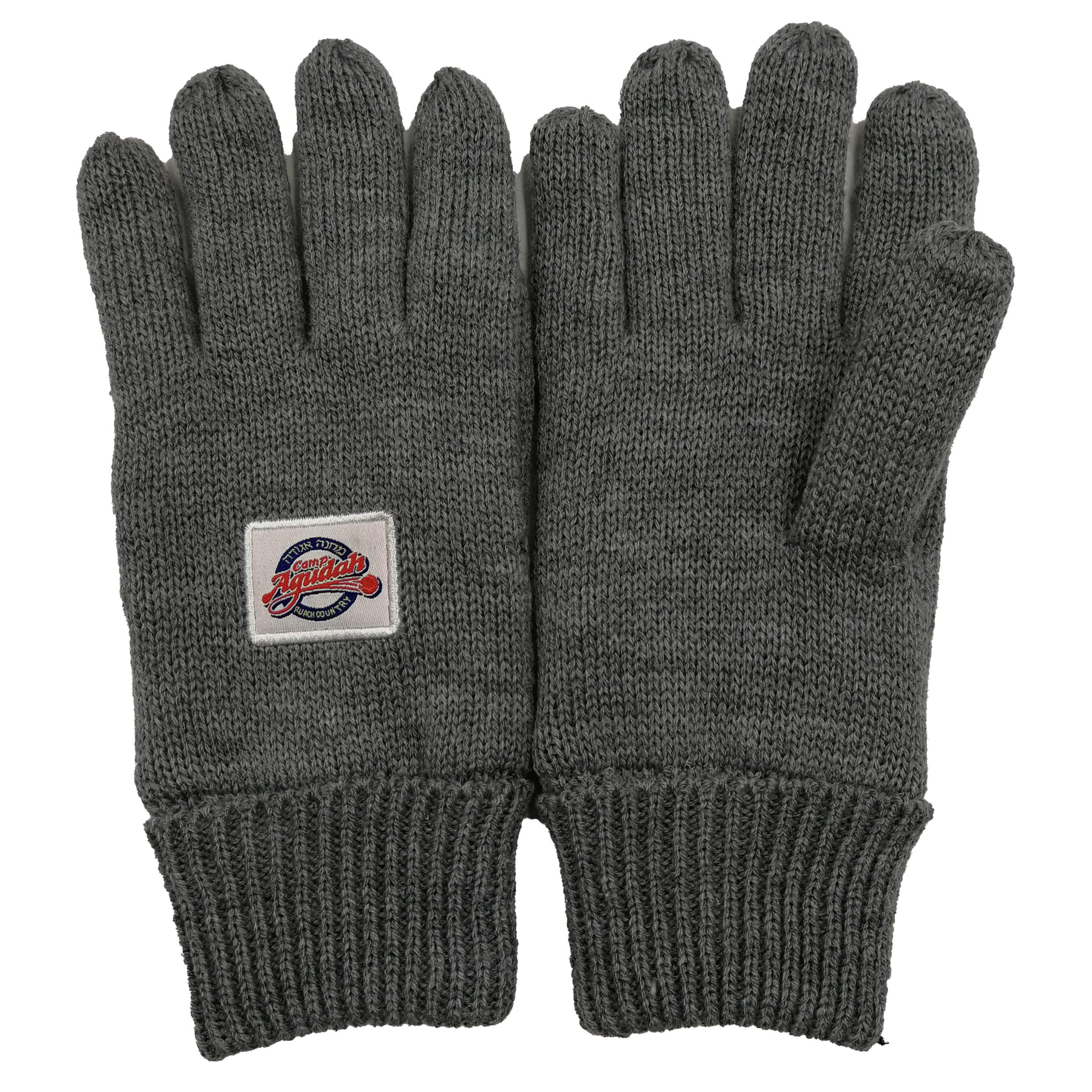
To understand why the internal architecture matters, we must first examine how modern smartphone screens operate. Contemporary devices utilize capacitive touchscreens. These screens rely on the human body's natural electrical current. The glass projects a continuous electrostatic field. When a conductive object touches the surface, it distorts this field and registers a touch command at that specific coordinate.
A well-engineered Touchscreen Tip acts as a highly efficient electrical bridge. Manufacturers weave specialized conductive threads containing microscopic amounts of silver, copper, or carbon into the fingertips of the garment. These threads transfer the bioelectricity from your skin, push it through the fabric matrix, and deliver it onto the screen. This process perfectly mimics the effect of a bare finger.
The effectiveness of this technological bridge is easily compromised by what engineers call the gap problem. Poor-quality or excessively bulky internal layers create a pocket of insulating air between the user's actual finger and the conductive threads. Air is a highly effective electrical insulator. Therefore, this gap acts as a dielectric barrier and disrupts the transfer of the body's electrical current. Even if the exterior features premium silver-spun threads, an ill-fitting or overly thick interior renders the technology completely ineffective.
Polar fleece, typically manufactured from polyethylene terephthalate, is a synthetic insulating fabric renowned for its exceptional performance in moderate winter conditions. The primary advantage of a Fleece Lining is its soft texture combined with a highly porous structure. This matrix traps body heat efficiently while remaining incredibly lightweight.
Furthermore, synthetic fleece is inherently hydrophobic. It naturally repels water and boasts excellent moisture-wicking properties. This capillary action actively draws sweat away from the skin, preventing the clammy sensation that often occurs during active use. Many premium designs pair a thermal fleece interior with an acrylic knit exterior. This combination conforms closely to the anatomical shape of the hand and preserves a high degree of dexterity.
Despite its versatility, this material has distinct thermal limitations. Standard fleece lacks the density required to block severe wind chill or insulate against extreme sub-zero temperatures. Unless it is bonded to a specialized windproof membrane, a standalone fleece-lined garment will lose its retained heat rapidly in harsh weather conditions.
Given its balance of moderate warmth and high dexterity, fleece-lined handwear is highly recommended for urban commuters, light hikers, and individuals requiring reliable daily wear in temperatures between 35 and 50 degrees Fahrenheit.
Developed by 3M, this highly engineered synthetic insulation is recognized globally as the gold standard for thin, effective thermal protection. The science behind it lies in its microfiber structure. The synthetic fibers used are approximately 15 micrometers in diameter, which is significantly finer than traditional polyester fibers. This microscopic density allows the material to trap a higher volume of insulating air molecules in a much smaller physical space. It reflects radiant body heat back toward the skin while allowing moisture to escape.
Premium configurations, such as men's 3M black Thinsulate thermal fleece-lined acrylic knit winter gloves, leverage this technology to deliver maximum thermal efficiency with minimal material thickness.
The unique density-to-thickness ratio of this material solves the primary dilemma of cold-weather handwear. It allows manufacturers to engineer highly insulated gear utilizing Thinsulate that remains exceptionally thin. Because the insulation layer does not create excessive bulk, the user maintains the high level of manual dexterity required for precise smartphone typing. The ultra-thin profile ensures that the user's finger remains in close proximity to the conductive exterior. This eliminates the dielectric gap problem and ensures lightning-fast screen responsiveness.
High-density microfiber linings are the premier choice for environments where extreme cold and technical functionality intersect. This architecture is strongly recommended for outdoor industrial workers, winter sports enthusiasts, and individuals residing in freezing climates where removing hand protection poses a legitimate risk of frostbite.
Natural fibers like wool and cashmere offer luxurious comfort and excellent natural temperature regulation. Wool fibers contain keratin, which naturally crimps to trap dead air. This provides substantial warmth even when exposed to moisture. Cashmere offers a similar thermal profile but with a significantly softer hand-feel.
In contrast, when applied to capacitive handwear, these natural fibers present distinct engineering challenges. They often require a thicker knit to achieve high thermal ratings, which inherently reduces dexterity. Additionally, natural fiber linings can stretch or shift inside leather exterior shells over time. This mechanical shifting misaligns the user's fingers from the conductive touch zones.
Silk is a premium, ultra-thin natural protein fiber frequently utilized in high-end dress apparel. Its primary advantage is its incredibly low profile. This offers maximum accuracy and unparalleled tactile feedback. Wearing a silk-lined garment feels almost like a second skin. The objective trade-off is thermal resistance. Silk provides minimal insulation against extreme cold and is generally only suitable for brief transitions between indoor environments.
To mitigate the drawbacks of pure natural fibers, many manufacturers utilize synthetic blends. By combining polyester, nylon, and elastane with natural materials, engineers create a highly functional lining that offers a calculated compromise. These blends improve the elasticity of the fabric. This ensures it snaps back to its original shape and maintains the necessary surface tension for tech-compatibility.
While the interior dictates heat retention around the fingers, the overall thermal efficiency of the garment is heavily influenced by the Cuff Length. In apparel thermodynamics, the wrist acts as a critical thermal bridge. A properly designed cuff seals out cold ambient air and prevents the ingress of snow or moisture. This maintains the microclimate generated by the internal insulation.
Specifically, the cuff plays a vital mechanical role. A longer gauntlet-style cuff or a snug elasticized knit wrist prevents the fabric from sliding down the hand during rigorous movement. If the material slips, the fingertips pull away from the conductive zones. This immediately degrades functionality and causes frustrating input errors.
Even the most advanced microfiber materials will fail if the garment is improperly sized. Capacitive compatibility requires anatomical precision. If the fit is too large, the excess material at the fingertips will fold and buckle against the screen screen, leading to highly inaccurate typing. To ensure optimal performance, users should measure the circumference of their dominant hand just below the knuckles, excluding the thumb area. Match this measurement strictly to the manufacturer's sizing chart. A proper fit should feel snug but never restrictive.
Navigating the market for cold-weather hand protection requires a systematic, engineering-based approach. This is especially true when digital connectivity is a non-negotiable requirement. The intersection of thermal insulation and capacitive technology means consumers can no longer base purchasing decisions solely on aesthetic appeal. A high-performing product must function as a cohesive system. Evaluate the following critical factors to make an informed decision.
The fundamental purpose of winter handwear is thermal regulation. However, the degree of insulation required varies drastically depending on your geographical location and physical output. Over-insulating can be just as detrimental as under-insulating. When your hands overheat, they perspire. If the interior cannot efficiently wick that moisture away, the trapped sweat will rapidly cool once your activity level drops.
For individuals navigating urban centers in mild to moderate cold, massive bulk is entirely unnecessary. In these scenarios, a moisture-wicking synthetic fleece paired with an acrylic knit is highly recommended. Its low-profile nature ensures your fingers retain their natural range of motion. Conversely, if you reside in regions characterized by freezing temperatures below 32 degrees Fahrenheit, advanced synthetic insulators like Thinsulate become strictly essential. They provide superior thermal resistance without the debilitating thickness associated with traditional wool.
Not all capacitive functionalities are manufactured equally. When evaluating a potential purchase, closely inspect the distribution and quality of the conductive zones. Entry-level models often restrict the conductive material to the very tip of the index finger. While this may suffice for answering a phone call, it is highly inadequate for modern digital interactions. Pinch-to-zoom functions and multi-finger typing require conductivity on multiple digits. Look for designs that feature conductive zones on the thumb, index finger, and ideally the middle finger.
The integration of technology into winter apparel introduces a unique ergonomic challenge. Handling expensive, fragile electronic devices in slippery conditions is risky. Cold weather naturally diminishes the tactile feedback in human fingertips. To mitigate the risk of dropping your smartphone, a well-engineered pair must feature dedicated anti-slip mechanisms. Examine the palmar surface for silicone grips arranged in geometric patterns. These silicone materials maintain their elasticity and high coefficient of friction even in sub-zero temperatures. They provide a secure mechanical lock against smooth glass screens.
Proper sizing is paramount. The fit should mimic a second skin, snug enough to eliminate internal air gaps but not so tight that it restricts blood circulation. Furthermore, pay close attention to the cuff design. An extended cuff that overlaps the jacket sleeve prevents cold air drafts. A securely elasticated wrist anchors the garment to your hand, ensuring your fingertips remain perfectly aligned with the conductive zones at all times.
| Primary Usage Scenario | Climate / Temperature Range | Recommended Interior Architecture | Optimal Cuff Design | Essential Tech Features |
|---|---|---|---|---|
| Urban Commuting & Driving | Mild Cold (35°F to 50°F) | Thermal Fleece / Acrylic Knit | Short / Elastic Knit Wrist | Multi-finger woven threads, silicone palm grips |
| Outdoor Work & Industrial | Freezing (15°F to 35°F) | 3M Thinsulate Microfiber | Medium / Adjustable Velcro | High-durability conductive leather overlays |
| Winter Sports & Hiking | Extreme Cold (Below 15°F) | Multi-layer (Fleece + Synthetic) | Long / Extended Gauntlet | Thumb and index finger tips, heavy-duty grip |
| Formal Wear / Business | Mild to Moderate Cold | Silk or Cashmere Blend | Short / Leather Snap | Precision single-finger woven thread |
The efficacy of a connected winter garment is not solely dependent on the metallic threads woven into its fingertips. It is fundamentally determined by the engineering of its interior architecture. Choosing the correct thermal barrier transforms your winter experience by perfectly balancing essential warmth with seamless digital connectivity.
Based on objective material analysis, synthetic microfleece remains the optimal choice for mild to moderate cold. It offers excellent moisture management and everyday usability. In contrast, high-density microfibers like 3M Thinsulate stand as the undisputed champions for extreme environments. They deliver critical warmth without compromising the millimeter precision required for modern capacitive interfaces. By carefully evaluating your local climate and ensuring proper anatomical sizing, you can maintain seamless connectivity regardless of the temperature drop. Take the time to measure your hands carefully and invest in the right materials. To explore professional-grade options tailored to these exact engineering standards, visit Maxship to find the perfect configuration for your specific winter needs.
Yes, excessive thickness severely impedes capacitive functionality. Modern smartphones utilize screens that register inputs by detecting the minute electrical currents naturally present in the human body. For this system to work through a garment, the electrical charge must travel from your finger, through the internal fabric, to the conductive exterior tip, and finally to the screen. If the interior is excessively thick or made of highly insulative materials that act as dielectric barriers, it interrupts this electrical bridge. The distance between your actual finger and the screen becomes too great for the sensor to register the input. This is why advanced, low-profile insulators are highly recommended.
Most fleece-lined garments can be washed, but the process requires strict adherence to gentle care protocols to avoid destroying the technological components. The conductive threads are typically made of delicate metallic fibers like silver or copper. Machine washing on aggressive cycles with heavy agitation can snap these micro-threads, permanently ruining their conductivity. Furthermore, exposing these materials to high heat in a tumble dryer can melt synthetic fleece fibers and cause the metallic threads to oxidize or warp. To clean them safely, hand wash in cold water using a mild, non-biological detergent. Gently squeeze out excess water without wringing or twisting the fabric, and lay them flat on a towel to air dry completely at room temperature.
Indirectly, yes. The structural integrity provided by a proper cuff length is vital for consistent performance. Accuracy relies on maintaining a precise alignment between your anatomical fingertip and the conductive pad on the exterior. If the cuff is too short or loose, the entire garment will subtly shift and slide down your hand during normal movement. When this occurs, a hollow gap forms at the end of the fingers. Attempting to type or swipe with this empty fabric gap results in the material folding over itself, failing to transfer the necessary pressure and electrical capacitance to the screen. A well-designed, secure cuff anchors the garment firmly at the wrist.
The compatibility depends heavily on the quality of both the garment and the protector. A thick tempered glass protector naturally adds a physical barrier that attenuates the capacitive signal between your finger and the device's digitizer sensor. When you add a layer of winter fabric on top of that, the signal degradation compounds. High-quality designs with dense conductive threading and a snug-fitting interior usually generate a strong enough electrical bridge to overcome this double barrier. However, bulky, poorly fitted options with cheap conductive coatings will likely struggle, resulting in missed keystrokes.
When evaluating materials specifically for capacitive applications, Thinsulate generally outperforms traditional wool. While wool is an exceptional natural insulator with inherent temperature-regulating properties, it achieves its warmth through the natural crimp of its fibers, which creates bulk. This bulk physically distances the finger from the screen and reduces fine motor dexterity. Thinsulate is an engineered synthetic microfiber. Because its fibers are microscopic, it traps significantly more insulating air in a much thinner profile. This allows manufacturers to create a highly insulated garment that remains sleek and form-fitting, providing the optimal structural compromise for smartphone manipulation.
Yes, capacitive capabilities can degrade over time due to mechanical wear and chemical breakdown. The metallic micro-threads woven into the fingertips are subjected to constant friction against glass screens, steering wheels, and door handles. Over months of heavy use, these fragile threads can fray or snap. Additionally, exposure to natural skin oils, sweat, and harsh laundry detergents can cause the copper or silver elements to oxidize, which significantly increases their electrical resistance. Replacing the garment every few seasons is often necessary for optimal digital performance.
This frustrating phenomenon is caused by a combination of reduced peripheral blood flow and cold, dry ambient air. When you step into freezing temperatures, your body constricts blood flow to your extremities to preserve core heat. This reduces the moisture and natural electrical conductivity of your fingertips. Furthermore, cold winter air holds very little humidity, which naturally decreases the efficiency of capacitive transfer. If your internal fabric lacks sufficient thermal retention, your fingers become too cold to generate the necessary bioelectric field, causing the screen to remain unresponsive despite the conductive exterior.


