

Views: 0 Author: Site Editor Publish Time: 2025-09-30 Origin: Site


Bucket hats are one of the most recognizable and versatile accessories in fashion history. Characterized by their wide, downward-sloping brims and casual style, these hats have appeared and reappeared in fashion trends, subcultures, and everyday wear for decades. From their practical origins to their role as a style statement, bucket hats have experienced waves of popularity that reflect both cultural shifts and fashion innovations.
The bucket hat first emerged in the early 20th century. Initially, it was designed as a practical accessory rather than a fashion statement:
Early Use in Ireland and the UK: The hat’s earliest iterations were made from durable materials like wool or tweed, commonly worn by farmers and fishermen. Its wide brim provided protection from rain and sun, while the soft, flexible structure made it easy to fold and store.
Military Adoption: During the mid-20th century, bucket hats were adopted by military forces, including the U.S. Army during the Vietnam War. Known as “boonie hats,” these versions offered camouflage and sun protection for soldiers in tropical climates. The military usage emphasized durability, functionality, and comfort.
The 1960s and 1970s marked the first wave of bucket hat popularity in mainstream culture:
Youth Fashion: As youth culture began embracing casual and practical clothing, bucket hats became a common accessory for teenagers and young adults. Their informal style fit perfectly with the laid-back fashion of the era.
Outdoor and Sports Influence: Fishermen, hikers, and campers popularized the hat further, using it for sun protection during outdoor activities. Brands began producing lightweight, water-resistant fabrics, making the bucket hat a functional accessory for leisure activities.
The bucket hat experienced a major resurgence during the late 1980s and early 1990s, thanks to hip-hop culture and streetwear fashion:
Hip-Hop Icons: Artists like LL Cool J and Run-D.M.C. frequently sported bucket hats, turning a utilitarian item into a bold fashion statement. The hats became synonymous with street credibility and urban style.
Customization and Style: During this period, bucket hats were often paired with tracksuits, sneakers, and oversized jackets. Brands experimented with bold colors, patterns, and logos, transforming the accessory into a form of personal expression.
Global Appeal: Hip-hop fashion influenced audiences worldwide, leading to international demand for bucket hats. Music videos, concerts, and movies helped cement the hat’s place in global youth culture.
After enjoying widespread popularity in the 1990s, bucket hats experienced a decline in mainstream fashion during the early 2000s. Several factors contributed to this shift:
Shift in Fashion Trends: The early 2000s saw a move toward structured hats like snapbacks, fitted caps, and baseball hats. These styles were considered more contemporary and aligned with the urban and hip-hop-inspired trends of the era. As a result, bucket hats began to be perceived as outdated or “retro” by mainstream audiences, and sales declined in large retail markets.
Niche Market Resilience: Despite the dip in mainstream appeal, the bucket hat never completely disappeared. It retained popularity in specific subcultures that valued both style and practicality. Skateboarders, for example, continued to wear bucket hats because they offered sun protection during outdoor sessions and paired well with casual streetwear. Similarly, festival-goers and outdoor enthusiasts embraced the hats for their portability and ability to shield against sun and rain. These communities maintained the hat’s visibility, keeping it alive in fashion circles even as mass-market interest waned.
Cultural and Practical Appeal: In niche circles, bucket hats also served as a medium for personal expression. Bright colors, unique patterns, and DIY customizations allowed wearers to make a statement while retaining the practical benefits of lightweight and foldable headwear. The hat’s utilitarian origins gave it a timeless functionality, which helped it persist through periods when style trends shifted elsewhere.
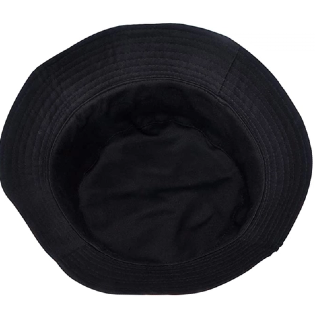
By the late 2010s, bucket hats experienced a major comeback, fueled by nostalgia, retro trends, and collaborations between streetwear and high fashion brands:
High Fashion Integration: Luxury designers such as Prada, Dior, and Gucci began including bucket hats in runway collections, elevating them from a casual accessory to a statement piece. These hats were often paired with matching outfits or experimental designs, demonstrating how a previously utilitarian item could serve as a high-fashion symbol.
Celebrity and Influencer Endorsement: Celebrities and social media influencers played a crucial role in reviving bucket hats. Icons like Rihanna, A$AP Rocky, and Billie Eilish helped reintroduce the accessory to younger generations. Seen in music videos, social media posts, and street-style photography, the bucket hat became a fashionable and versatile accessory suitable for both casual and upscale outfits.
Festival and Outdoor Fashion: The practicality of the bucket hat—protection from sun, easy packability, and lightweight design—made it ideal for festivals, outdoor events, and travel. Trend-conscious festival-goers embraced bucket hats as both a functional and stylish addition to their outfits.
Social Media Influence: Platforms like Instagram, TikTok, and Pinterest accelerated the resurgence of bucket hats by showcasing creative styling and viral fashion trends. Tutorials, lookbooks, and influencer collaborations created renewed excitement and made the hat a must-have accessory for streetwear enthusiasts and everyday fashion fans alike.
Blend of Retro and Modern: Today, bucket hats are celebrated for their ability to bridge retro aesthetics with contemporary fashion. Their renewed popularity demonstrates how functional accessories can evolve into style statements across generations.
Several key factors have contributed to the enduring appeal of bucket hats:
Functionality: Lightweight, foldable, and protective, bucket hats are practical for both everyday wear and outdoor activities.
Versatility: They can be styled casually or paired with high-fashion ensembles.
Cultural Significance: Influences from music, streetwear, and retro trends give the hat an identity that resonates with different generations.
Sustainability and Materials: Modern bucket hats often use eco-friendly or recycled materials, appealing to environmentally conscious consumers.
Today, bucket hats are a staple in wardrobes around the world. They appeal to a wide demographic:
Streetwear and Urban Fashion: Bucket hats remain central to street style, often featuring bold patterns, logos, and designer collaborations.
Outdoor and Travel: Their original functionality persists, with outdoor enthusiasts wearing them for sun and rain protection.
Customization: DIY trends and personalized embroidery allow wearers to express individuality, keeping the hat relevant and unique.
From practical headwear for fishermen and soldiers to a cultural icon in hip-hop and high fashion, bucket hats have enjoyed periods of both popularity and decline. Their cyclical resurgence highlights a balance between functionality, style, and cultural influence. Today, bucket hats continue to be a versatile and stylish accessory for people of all ages, reflecting a unique blend of history, practicality, and modern fashion trends.
For those interested in high-quality bucket hats and related textile products, Nanjing Maxship Textile Co., Ltd. offers a wide range of durable, stylish, and customizable options. Whether for fashion, outdoor activities, or promotional purposes, their products combine craftsmanship and practicality. Visit their website or contact them directly to explore options for your next bucket hat purchase.


