

Views: 0 Author: Site Editor Publish Time: 2025-11-20 Origin: Site


Pom-pom hats are everywhere in winter. You see them on children, adults, celebrities, and sports fans. They seem cute, playful, and purely decorative. But have you ever wondered why there’s a fluffy ball on top? The pom-pom has a long and fascinating history. It wasn’t always just a fashion accessory. It started as something practical, sometimes symbolic, and later became an icon of style. From Vikings to sailors, and soldiers to celebrities, the pom-pom has traveled through centuries of culture, tradition, and design.
A pom-pom is a small, round ball made from yarn, wool, fabric, or fur. People often think of it as just decoration. But historically, it had many functions. It could cover stitching or seams, reinforce hat structures, or even identify social status or military units.
Today, they still add style, color, and a playful touch to hats. You’ll find pom-poms in all shapes and sizes—tiny little bobbles or oversized statement pieces. They come in materials for every season: warm wool for winter, soft yarn for everyday wear, and faux fur for high-fashion looks.
Wool – classic, warm, and durable
Yarn – versatile, soft, and colorful
Faux fur – stylish, luxurious, eye-catching
Cotton or synthetic blends – lightweight for mild seasons or DIY projects
Pom-poms are simple, yet they transform ordinary hats into fun, visually appealing pieces.
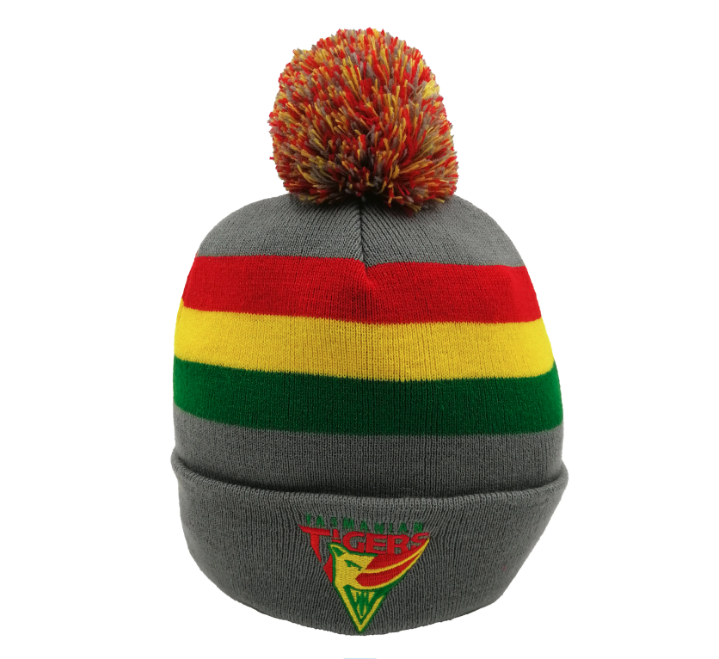
Pom-poms aren’t a modern invention—they have a history stretching back centuries and across continents. What seems like a simple ball of yarn actually reflects culture, practicality, and social meaning.
In Scandinavia, Vikings may have been among the first to attach small bobbles or fabric balls to headgear. Archaeologists discovered a statuette in Sweden in 1904 showing the Norse god Freyr wearing a helmet topped with a pom-pom. Historians speculate it may have symbolized status, religious affiliation, or cultural identity. Some believe it could even have served a practical purpose, covering the seams from nålebinding, an early textile technique that predated modern knitting. This suggests that even back then, pom-poms combined functionality with symbolic design.
Pom-poms also appeared in traditional clothing across South America. Both men and women decorated their garments and headwear with bright, colored pom-poms to signify marital status, social rank, or tribal identity. Placement, size, and color were not random—they conveyed messages within communities. In some regions, pom-poms even marked special ceremonies, festivals, or rites of passage.
Across cultures, pom-poms began as practical additions to clothing, gradually evolving into symbols of identity, tradition, and artistry. They show how a small design feature can carry meaning far beyond its size.
Pom-poms found one of their most important early practical uses in military uniforms. They helped soldiers distinguish units, rank, and allegiance, particularly on chaotic battlefields where quick identification could save lives.
| Country/Group | Pom-Pom Use | Notes |
|---|---|---|
| France | Infantry uniforms | Colors identified different companies or regiments |
| Scotland | Highland regiments | Toorie on Balmoral bonnets indicated regiment or social class |
| Hungary | Cavalry | Helped distinguish rank and unit in large formations |
Pom-poms were more than decoration—they were a visual code. Even small details like the color or placement could convey essential information to soldiers, commanders, and allies.
The Roman Catholic Church incorporated pom-poms into birettas, the square-capped hats worn by clergy. Colors were meaningful: red for cardinals, violet for bishops, black for priests, and white for certain ceremonial uses. This allowed anyone to recognize authority instantly. It also reflected centuries of tradition where symbolism and function intersected.
French sailors in the 19th century adopted pom-pom hats for safety and comfort. Tight ship quarters meant low ceilings, beams, and ropes were hazards during rough seas. The soft pom cushioned the head and prevented injuries. Wool hats also provided warmth and repelled water, making them practical for long voyages. Eventually, these hats became iconic symbols of naval tradition, worn not just for protection but as part of the uniform that defined sailors’ identity and pride.
Pom-poms, in these military and maritime contexts, prove that even small design elements can serve practical, symbolic, and cultural purposes simultaneously.
Over time, pom-poms transitioned from practical or symbolic roles into everyday fashion. What once protected heads or marked rank became a playful accessory loved by all ages.
During the 1930s, when money was tight, adding a pom-pom to a hat became a clever, inexpensive way to add style. Knitters and homemakers used leftover yarn to create colorful, cheerful bobbles that brightened dull winter days. The pom-pom served multiple purposes: it disguised seams, reinforced hat tops, and made simple wool hats visually appealing. People appreciated the creativity and personalization it allowed—small, soft, and eye-catching, a pom-pom was the perfect fashion hack in lean times.
In the mid-20th century, pom-poms entered mainstream culture through media and celebrities. Children adored the playful, colorful designs, and adults embraced them as part of casual winter wear. Sports teams added pom-poms in team colors, turning hats into fan gear. Television and movies further cemented the pom-pom’s status as a fun, cheerful symbol. It became less about functionality and more about personality, identity, and style.
Today, designers experiment endlessly with pom-poms. You’ll find oversized, neon, metallic, sparkly, or even double pom-poms on the runways and in stores. Pom-poms now enhance high-fashion knitwear, outerwear, and accessories. They remain playful, versatile, and customizable, allowing people to express individuality while staying warm. From classic wool bobbles to luxurious faux fur, pom-poms continue to evolve while keeping their whimsical charm.
Pom-poms have held symbolic and decorative meanings across many cultures. Their size, color, and placement often conveyed social messages, identity, or celebration.
South America: Pom-poms decorated traditional clothing and headwear, signaling marital status, tribal membership, or social standing. Brightly colored bobbles often indicated whether someone was single, married, or engaged in ceremonial life.
Bavarian Germany: In alpine regions, hats known as gamsbart sometimes featured small pom-poms to reflect wealth, hunting prowess, or family tradition. The type and decoration of the hat carried social meaning, and the pom-pom added a recognizable flair.
India: Pom-poms appear on festival attire, dance costumes, and ceremonial garments. They add vibrancy, motion, and texture, enhancing the festive atmosphere and cultural storytelling.
United Kingdom: Bobble hats became a winter essential, especially for children and sports fans. Beyond warmth, the hats displayed team loyalty, school colors, or personal style. They often incorporate playful colors, patterns, and oversized pom-poms for fun and fashion.
Cultural Uses Table:
| Region | Symbolism | Example |
|---|---|---|
| South America | Marital status, tribe, social rank | Bright colored bobbles on hats |
| Germany | Wealth, hunting, family tradition | Gamsbart on alpine hat |
| India | Festival celebration, cultural expression | Pom-poms on traditional attire |
| UK | Winter warmth, sports fandom, fashion | Bobble hats for children and adults |
Pom-poms demonstrate how a small, seemingly simple design element can carry deep cultural meaning while remaining playful and functional. Across the world, they bridge utility, symbolism, and creativity, showing that fashion and tradition often walk hand in hand.

Although pom-poms are mainly decorative in modern hats, they still provide subtle, practical benefits beyond their playful appearance.
Balance and Structure: Pom-poms add a small weight on top of knitted or crocheted hats, helping them maintain shape and drape evenly. They can prevent the hat from looking floppy or sagging.
Visual Focal Point: The fluffy ball draws the eye, acting as a design centerpiece. It allows designers to play with color contrasts, textures, and patterns, making each hat visually appealing and unique.
Added Warmth: Wool, yarn, and faux fur pom-poms contribute a tiny bit of insulation. On chilly days, they enhance the overall warmth of the hat while adding softness and comfort.
Customization and Personal Expression: Pom-poms come in countless sizes, shapes, materials, and colors. This allows wearers to choose hats that reflect personality, mood, or fashion preferences. Double pom-poms, neon colors, or glittery textures let people make bold statements.
Playfulness and Whimsy: Beyond function, pom-poms inject fun into everyday winter wear. Kids love them for playful movement, and adults appreciate the nostalgic or quirky charm they bring to classic hat designs.
Pom-poms today are a perfect example of how something that started as practical or symbolic can evolve into a versatile, stylish, and expressive feature. They blend utility, aesthetics, and creativity, showing that even small details in clothing can have multiple purposes.
DIY crafts remain popular; making your own pom-poms is easy.
Sports fans use team-colored bobbles for jackets, hats, and scarves.
High-fashion designers include pom-poms on coats, dresses, and knitwear.
They’ve survived centuries, remaining a symbol of fun, practicality, and creativity.
A: Pom-poms date back to the Viking era in Scandinavia and also appeared in traditional South American clothing, where they signified status, tribe, or social identity.
A: Originally, pom-poms served practical purposes, such as covering seams, cushioning heads in ships or military settings, and identifying social rank or regiment.
A: Yes, European soldiers and Scottish Highland regiments used pom-poms on hats to denote rank, unit, or company, and colors often conveyed important visual information.
A: Roman Catholic clergy wore pom-poms on their birettas, with colors representing rank: red for cardinals, violet for bishops, and black for priests.
A: During the Great Depression, pom-poms became a cheap and creative way to decorate hats, and later celebrities, pop culture, and sports fans helped popularize them worldwide.
Pom-pom hats have traveled centuries of culture, tradition, and style, evolving from practical headgear to playful fashion statements. They add warmth, personality, and a touch of whimsy to winter outfits, while carrying a rich history from Vikings to sailors, soldiers, and pop culture icons.
At MaxShip, we specialize in producing knit hats that perfectly blend craftsmanship with modern fashion. As a professional supplier in China, we focus on creating hats that are not only stylish but also functional. From classic beanies to trendy oversized designs, our knit hats provide protection from the cold while elevating everyday looks. Using advanced knitting technology and carefully selected materials, every hat we produce is soft, stretchable, and durable—making them the perfect choice for anyone who wants comfort, warmth, and style in one accessory.


