

Views: 0 Author: Site Editor Publish Time: 2026-10-23 Origin: Site


Ordering a bucket hat in bulk involves more than choosing a design. How can buyers balance quality, customization, and cost? This guide explores fabric selection, MOQ, sample approval, quality control, and shipping. Learn how to reduce sourcing risks and make smarter purchasing decisions.
The first step is identifying where, when, and how customers will wear the hats. Fashion retailers may prefer distinctive prints, reversible designs, and colors that complement seasonal collections. Promotional merchandise buyers may prioritize visible logos, comfortable construction, and affordable pricing. Outdoor brands may require practical features, including suitable brim coverage, lightweight materials, and convenient storage.
A clear use case helps narrow the available options. For summer collections, a cotton bucket hat can offer a familiar feel and a casual appearance. For winter products, fleece or other insulating materials may be more suitable. Buyers should also consider whether their customers need unisex sizing, adjustable features, or different sizes for adults and children. These decisions affect material selection, product development, and inventory planning.
Before requesting quotations, prepare a brief describing the target customer, intended season, retail positioning, expected order quantity, and required features. This gives suppliers a consistent basis for recommending suitable designs. It also makes quotations easier to compare because each supplier receives the same product requirements. Rather than choosing a style based only on appearance, buyers can evaluate whether the design fits the intended market and commercial objective.
Fabric influences comfort, appearance, structure, and the final purchasing cost. Cotton is often considered for casual summer headwear because of its familiar texture and versatile appearance. Polyester offers other design possibilities, including lightweight constructions and printed patterns. Cotton-polyester blends may provide a balance of different material characteristics, depending on their composition and construction. Fleece can suit seasonal designs that require a softer, warmer feel.
Buyers should not assume that every fabric performs equally well. Fabric weight, weave, lining, colorfastness, and shrinkage can affect the finished product. A lightweight fabric may pack easily but provide less structure. A thicker fabric may hold its shape better while increasing shipping volume. The right choice depends on how customers will use and care for the hat.
Request the material composition and relevant performance information before approving production. If the hats will be washed frequently, ask about shrinkage and colorfastness testing. If they will be sold as outdoor products, confirm any specific performance claims through suitable documentation. This is especially important for products marketed as waterproof or UV protective. Buyers should base product descriptions on verified specifications rather than assumptions about the fabric.
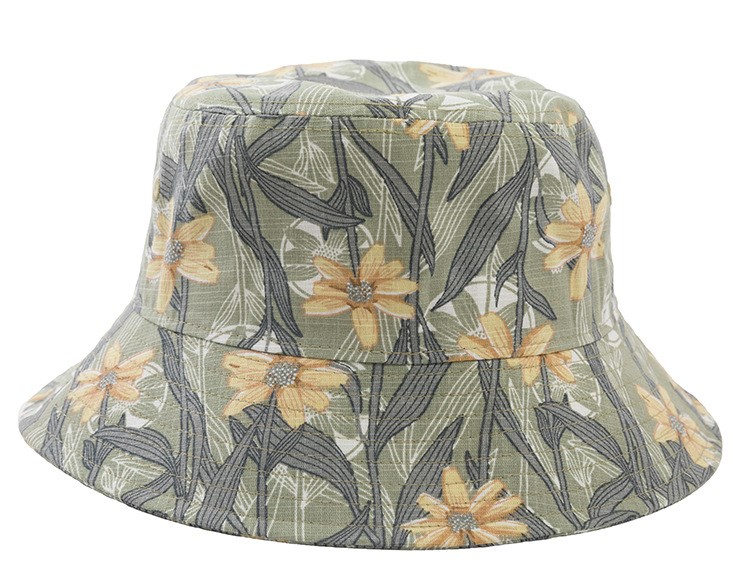
Existing product designs can help buyers communicate their expectations. For example, a reversible bucket hat may support two coordinated looks in one product. This can suit fashion retailers that want more styling options without introducing an entirely different hat silhouette. A printed cotton design may also work for beachwear collections, travel merchandise, and seasonal promotions.
Maxship offers several designs that buyers can review when planning a collection. Its Custom Print Reversible Sun Protection Bucket Hat provides a reference for exploring reversible construction and custom printing. Buyers should confirm the available materials, sizing, logo methods, and protection claims for their intended order.
Product references are useful starting points, but the final specification should match your own brand requirements. Decide whether you need an existing style with customized colors or a more substantial design change. Ask the supplier to identify which features can be modified and whether those changes affect sampling costs or minimum quantities. This approach helps buyers develop a realistic product brief before entering detailed price negotiations.
Tip: Prepare a short product brief before requesting quotations. Include the target market, season, fabric preference, logo artwork, quantity, and expected delivery date.
Custom printing can turn a standard bucket hat into a recognizable branded product. However, the finished result depends on artwork quality, printing technique, fabric compatibility, and production control. Buyers should provide clear artwork files and specify the intended logo dimensions, position, colors, and orientation. If the design includes small text or fine details, ask the supplier whether the chosen printing method can reproduce them accurately.
A digital mock-up helps communicate the intended appearance, but it cannot fully demonstrate the finished material or print quality. A physical sample allows buyers to inspect color reproduction, placement, and surface finish. For all-over prints, review how the pattern aligns across seams and panels. For a small front logo, confirm that the position remains consistent across the approved size range.
Buyers should also consider how the decoration will perform during normal use. Ask whether the print is compatible with the fabric's care requirements and whether suitable colorfastness or durability tests are available. Do not assume that every print method produces the same result on cotton, polyester, and blended materials. The supplier should recommend a suitable process based on the design and intended application.
Reversible bucket hats offer two wearable sides, making them attractive for fashion collections and promotional products. However, the extra design flexibility introduces additional production considerations. Both sides should look intentional, and the seams should remain comfortable when the hat is turned inside out. Buyers should also check whether the fabric combination maintains the desired shape and fit.
Specify the design for each side separately. Provide artwork, colors, and placement requirements for both surfaces. Confirm whether labels, stitching, or internal finishing could affect the appearance of either side. If the two sides use different fabrics, ask the supplier to explain how their weight and flexibility may affect the final construction.
A sample should be inspected in both configurations. Check the crown, brim, seams, and overall fit after reversing the hat. The two sides do not necessarily need identical patterns, but they should meet the approved design standard. Buyers should also confirm whether reversible construction changes the quoted price, packaging method, or production schedule. Addressing these details early helps prevent inconsistent results during bulk manufacturing.
Some bucket hats are marketed with features such as water resistance, waterproof construction, or UV protection. These claims can influence customer expectations and purchasing decisions. Buyers should therefore distinguish between a design that looks suitable for outdoor use and a product with verified performance characteristics.
For example, Maxship's Custom UV Protection Waterproof Reversible Bucket Hat can serve as a product reference for buyers exploring reversible outdoor headwear. Before placing an order, confirm the actual fabric composition, construction, applicable test methods, and evidence supporting any advertised protection claims.
Ask the supplier to clarify the meaning of each technical feature. Water-resistant materials do not necessarily provide the same protection as waterproof construction. Likewise, a wide brim alone does not establish a specific ultraviolet protection rating. If your market requires documented performance, obtain the relevant test reports and ensure the product description reflects their scope. Accurate claims help protect brand credibility and reduce disputes with distributors or end customers.
Note: Never treat a product title as proof of a technical rating. Request supporting documentation before using performance claims in packaging or marketing.
Minimum order quantity, or MOQ, is an important part of bulk purchasing. Some suppliers set minimum quantities for each design, color, or customization option. This distinction matters when a buyer plans a collection with several variations. An order that meets the total quantity requirement may still fall below the minimum for individual colors.
Before requesting a quotation, estimate the expected demand for each variation. Consider the initial launch quantity, likely sales rate, storage capacity, and potential reorder schedule. Ordering more units may reduce the unit price, but excess inventory can tie up working capital. Smaller quantities may cost more per piece while offering greater flexibility for market testing.
Ask suppliers to explain their MOQ rules clearly. Confirm whether different colors can be combined, whether existing designs have lower minimums, and whether custom artwork requires a separate setup. If your business is testing a new product, discuss a smaller initial order or a staged purchasing plan. The most economical option is not always the order with the lowest unit price; it is the option that balances purchasing cost with realistic demand.
The quoted factory price represents only part of the cost of importing custom bucket hats. Buyers should also consider sample charges, artwork preparation, printing setup, labels, packaging, freight, insurance, import duties, and other applicable fees. These expenses can vary between suppliers and shipping arrangements.
Request itemized quotations using the same product specifications and order quantity. Confirm the currency, payment terms, quotation validity, and applicable shipping terms. If one supplier includes individual packaging while another does not, their unit prices are not directly comparable. Similarly, a lower factory price may be offset by higher freight costs or additional customization charges.
A landed-cost estimate helps buyers understand the full financial commitment. Divide the expected total cost by the number of usable units to estimate the effective cost per hat. Include reasonable allowances for inspection and potential defects where appropriate. This calculation supports more accurate wholesale pricing and margin planning. It also makes supplier comparisons more objective because decisions are based on the complete order rather than one attractive figure.
Bucket hats are relatively flexible products, but their packaging can still influence freight volume and product condition. Excessive packaging may increase shipping costs, while unsuitable packing can cause creases, deformation, or surface damage. Buyers should discuss how the hats will be folded, protected, packed, and arranged in cartons.
Ask for the proposed carton dimensions, packing quantity, and estimated gross weight. These details help logistics providers calculate freight charges more accurately. If the hats have structured brims or delicate decoration, confirm whether folding is acceptable. Request packing samples or photographs if presentation is important to your retail channel.
Shipping arrangements should also match your delivery requirements. Air freight may suit urgent or smaller shipments, while sea freight may be more economical for larger orders with flexible schedules. Confirm who handles export documentation, transportation, customs clearance, and final delivery. A complete quotation should distinguish production lead time from transit time. This helps buyers plan inventory arrival without relying on an unrealistic single delivery estimate.
Tip: Compare suppliers using the same specification, quantity, packaging plan, and shipping terms. This prevents misleading price comparisons.
A preproduction sample provides a physical reference before the supplier manufactures the full quantity. It allows buyers to check fabric, color, sizing, logo placement, stitching, brim shape, and finishing. The sample should reflect the intended production materials and decoration methods as closely as possible.
Prepare a written approval sheet that records the agreed specifications. Include measurements, material composition, color references, artwork, packaging requirements, and any special construction details. If several colorways are involved, identify each approved version separately. Photographs can support the record, but they should not replace important written measurements or material details.
If revisions are necessary, confirm them before approving production. Ask the supplier to explain whether a change affects the cost or schedule. Once the sample is approved, require written confirmation before any substitution is made. This is especially important when the order includes special fabrics, reversible designs, or performance-related features. A clear approval process reduces misunderstandings and provides a stronger basis for later inspections.
Quality inspections are more useful when buyers define specific acceptance criteria. General instructions such as “good quality” leave room for different interpretations. Instead, identify measurable requirements, including acceptable dimensions, logo placement, stitching condition, color consistency, and packaging accuracy.
The inspection plan should reflect the risks associated with the product. For a printed bucket hat, color reproduction and pattern alignment may deserve close attention. For a reversible model, both sides should be checked. For hats with closures or additional accessories, functional checks should be included where relevant. The buyer and supplier should agree on the inspection scope before production starts.
For larger orders, consider inspecting a representative sample of finished goods before shipment. If the order is particularly important, an independent inspection service may provide additional assurance. Define how defects will be recorded and what happens if the shipment fails the agreed standard. This may involve rework, replacement, additional inspection, or another remedy established in the purchase agreement. Clear criteria help both parties resolve problems using evidence rather than subjective opinions.
Passing a sample inspection does not automatically guarantee that every finished hat will match it. Bulk production involves multiple materials, production stages, and handling steps. Small differences can appear in fabric shades, print placement, stitching, or dimensions if the process is not controlled carefully.
Ask the supplier how it maintains consistency during production. Useful practices may include retaining approved samples, recording material references, checking the first finished units, and conducting in-process inspections. Buyers should also clarify how production changes are communicated. Any replacement fabric, revised artwork, or modified construction should be approved before it affects the order.
Repeat orders require the same attention. If a style sells well, keep the original specification sheet and approval records for future purchasing. Confirm whether the supplier can source the same materials or whether alternatives may be needed. If substitutions become necessary, request a new sample or written approval as appropriate. Consistency is particularly important for brands that sell the same product across several retail channels or seasonal collections.
Note: Agree on defect definitions, inspection methods, and corrective actions before production. Do not wait until shipment to establish acceptance standards.
A realistic schedule should cover sample development, revisions, material sourcing, bulk production, inspection, packing, and shipping. Each stage can affect the final delivery date. For example, a delayed artwork approval may postpone printing, while a fabric shortage may delay production even after the order has been confirmed.
Ask the supplier to provide an estimated timeline with clear milestones. Confirm when the production clock starts and which approvals or payments are required first. If your order is tied to a seasonal launch, retail promotion, or event, communicate the deadline at the quotation stage. The supplier can then assess whether the requested schedule is feasible.
Avoid relying on a general lead-time estimate without understanding its assumptions. Sample production and mass production are different stages, and shipping time is separate from factory processing. Ask how the supplier handles delays and whether progress updates are available. A documented schedule makes it easier to identify risks early and arrange alternative plans when necessary.
Good communication is essential when several details must be coordinated. Buyers should confirm specifications, quantities, colors, logo files, packaging, payment milestones, and shipping arrangements in writing. Verbal agreements can be difficult to verify when a problem arises later.
Assign one person to coordinate approvals and keep the latest documents organized. Use clear file names and version dates for artwork and specification sheets. When the supplier submits a revised mock-up or sample, compare it with the previous version before approving it. This helps prevent outdated artwork from entering production.
Buyers should also pay attention to how suppliers respond to difficult questions. Reliable communication includes clear explanations of limitations, costs, and potential delays. A supplier does not need to promise that every request is possible. It should explain what can be achieved, what needs adjustment, and what the changes mean for the order. This transparency supports a more stable business relationship.
Before finalizing an order, confirm the agreed shipping method, destination, delivery responsibilities, and required documentation. Clarify whether the quotation covers transportation only or includes additional services. Buyers should also understand who is responsible for import clearance and applicable duties under the selected trade terms.
Maxship presents door-to-door shipment support among its services, which may be relevant for buyers seeking help coordinating delivery. The exact scope, price, destination coverage, and responsibilities should still be confirmed for each shipment. Ask for an estimated transit time and clarify how tracking information will be provided.
Finally, make sure the purchase order reflects the agreed delivery plan. Include the required shipping destination, packing requirements, delivery deadline, and any documents needed by your receiving team. These details are easy to overlook during product negotiations, yet they can affect the shipment's final cost and usability. Clear delivery arrangements help buyers plan warehouse space, inventory availability, and product launches more accurately.
Successful bulk bucket hat orders require careful material selection, quality checks, and cost planning. Maxship offers custom bucket hats, OEM support, fabric sourcing, product development, and shipping services. Its flexible solutions help brands create distinctive products and manage sourcing risks.
The best fabric depends on the intended use, budget, and desired appearance. Cotton suits many casual designs, polyester offers different printing options, and fleece may suit colder weather. Always confirm composition and performance requirements.
MOQ varies by supplier, design, material, and customization method. Ask whether the minimum applies per style, color, or complete order. Confirm the final quantity and price directly with the supplier.
Yes. Reversible designs can offer two looks in one product. Buyers should check both sides, seam comfort, fabric compatibility, printing quality, and any additional production costs before ordering.
Approve a preproduction sample and define measurable inspection criteria. Check fabric, sizing, stitching, logo placement, color consistency, finishing, and packaging before accepting the bulk shipment.
Costs depend on fabric, printing, order quantity, labels, packaging, sampling, freight, and import expenses. Compare complete quotations rather than choosing a supplier based only on unit price.


