

Views: 0 Author: Site Editor Publish Time: 2026-07-29 Origin: Site


Effective UV protection requires more than just sunscreen. Purpose-built headwear serves as the primary defense against prolonged solar radiation during outdoor activities. Consumers frequently conflate casual headwear with technical sun protection. Selecting the wrong hat profile leads to compromised UV defense, thermal discomfort, or logistical frustration. You might experience sunburns on the neck and ears, lose your hat in the wind, or deal with permanent packing damage. Field workers and outdoor enthusiasts alike need reliable gear that performs under harsh conditions.
This guide provides a technical evaluation of the Bucket Hat versus the traditional wide-brim sun hat. We will analyze brim architecture, material performance, and specific use-case viability. Understanding these structural differences helps you drive an informed purchasing decision for your specific environmental needs. We base these insights on real-world application, testing gear in environments ranging from alpine ridges to open-water marine settings.
Brim Architecture Dictates Coverage: Traditional sun hats offer a wider, stiffer brim (typically 3+ inches) for maximum neck and shoulder shade, whereas bucket hats feature a narrower, downward-sloping brim optimized for active mobility and line-of-sight.
Packability vs. Structure: The unstructured nature of an outdoor bucket hat allows for high-compression packing without permanent deformation, a common failure point in rigid sun hats.
Activity Output Determines Selection: An outdoor bucket hat excels in high-output, dynamic environments (hiking, climbing) due to its low profile, while wide-brim sun hats are required for static, high-exposure environments (boating, open-field work).
UPF Certification is Non-Negotiable: Regardless of style, baseline decision criteria must include verifiable UPF 50+ fabric ratings (tested to ASTM D6603 or AATCC TM183 standards) and integrated moisture management systems.
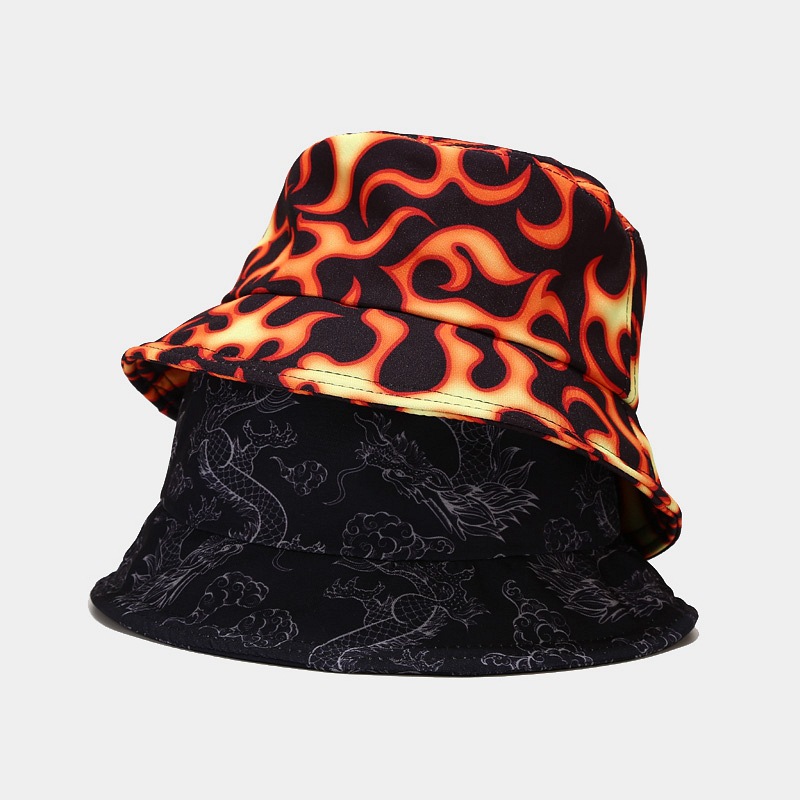
The structural profile of this headwear is characterized by an unstructured, flat-topped crown. It features a moderately wide, downward-sloping brim that typically measures 2 to 2.5 inches. This specific angle provides targeted shade while keeping the overall footprint compact. The design minimizes interference with your surroundings. When you wear a backpack with a high collar, the rear brim does not catch or push the hat forward over your eyes.
You must distinguish between fashion-focused cotton variants and a technical Outdoor Bucket Hat. Technical models utilize synthetic blends like nylon and elastane. They feature DWR (Durable Water Repellent) coatings and laser-cut ventilation for active use. Technical variants often incorporate closed-cell EVA foam inserts within the brim. This ensures the hat floats in aquatic environments. Cotton absorbs sweat, becomes heavy, and loses its shape. Synthetic materials wick moisture away from the skin and dry rapidly.
The primary objective is to provide 360-degree baseline shade. It maintains maximum peripheral vision and head mobility. You experience zero interference with backpacks, high collars, or helmet harnesses. Field crews working in tight spaces or dense brush prefer this profile. It stays on your head and out of your way.
A traditional sun hat features a structured or semi-structured crown. It utilizes an extended, horizontal or down-sloping brim measuring 3 to 5 inches or more. Manufacturers often reinforce this brim with wire, heavy-duty stitching, or stiff polymer inserts. This rigidity prevents the brim from flopping down and obstructing your vision when saturated with sweat or rain.
These hats frequently integrate deployable neck capes or flaps. They use dark underbrims to reduce glare and rigid front brims to prevent wind-fold. High-end models often include dedicated sunglass lock sleeves. These slots secure temple arms during vigorous activity. The crown often incorporates extensive mesh paneling to dump heat. The sweatband is usually thicker to manage the increased thermal load of a larger hat.
The primary objective is absolute coverage. It maximizes the square footage of shade cast over the face, ears, neck, and upper chest. This is critical in high-UV index environments. Lifeguards, agricultural workers, and flatwater anglers rely on this extensive coverage to prevent severe sunburns during long shifts under direct sunlight.
The angle of incidence changes how a hat protects you. The downward slope of a bucket hat protects the face during midday sun. The horizontal projection of a sun hat performs better during early morning or late afternoon low-angle sun. You must analyze coverage gaps. A standard bucket hat leaves the lower neck and upper shoulders vulnerable compared to a wide-brim sun hat. You need to pair shorter brims with collared shirts or neck gaiters.
Technical testing standards define true protection. UPF 50+ ratings block 98% of UVA and UVB rays. Reliable brands test under ASTM D6603 or AATCC TM183 standards. Sweat and wetness affect fabric density and rating retention over time. A wet cotton hat loses a significant portion of its UPF rating. Synthetic fabrics maintain their protective qualities even when soaked.
Glare reduction is another critical factor. Dark-fabric underbrims absorb reflected light from water, sand, or snow. This feature is common in technical sun hats and increasingly adopted in high-end bucket models. If you spend time on the water or snow, a dark underbrim reduces eye strain and improves visual acuity.
Fabric composition dictates longevity and comfort. Nylon and polyester performance blends outperform traditional cotton canvas. You should focus on UPF 50+ retention, tear strength, and quick-dry times after multiple wash cycles. Synthetic fibers offer superior chemical resistance. They withstand structural and color degradation from prolonged exposure to saltwater, chlorine, and acidic perspiration.
Ventilation engineering varies by design. Sun hats generally offer larger mesh zones. Bucket hats rely on breathable fabrics and metal eyelets to maintain structural integrity. Moisture management plays a critical role. Internal wicking sweatbands, utilizing open-cell foam or cooling-gel fabrics, prevent ocular stinging. They manage thermal load effectively during high-output activities.
| Material Type | Durability | Moisture Management | Best Application |
|---|---|---|---|
| Nylon Ripstop | High tear resistance | Excellent wicking, fast drying | Hiking, climbing, active water sports |
| Polyester Blend | Moderate to High | Good wicking, retains shape well | General outdoor use, travel |
| Cotton Canvas | High abrasion resistance | Poor, absorbs and holds sweat | Dry, low-output activities, casual wear |
Compression tolerance is a massive advantage for compact headwear. You can crush, fold, or stuff an unstructured hat into a harness pocket. It will not compromise its functional shape. This makes it ideal for travel or multi-pitch climbing where space is limited. You pull it out, shake it, and put it on.
Rigid brims in sun hats suffer from permanent creasing or wire-bending when improperly packed. This leads to compromised sun coverage and aesthetic degradation. A bent brim creates a funnel that directs rain straight down your neck. It also looks unprofessional on a job site.
Brim rebound materials determine long-term shape retention. Polymer-stiffened brims spring back to form after light compression. Malleable wire-edge brims allow custom shaping but require careful handling to avoid permanent kinks. Always pack rigid hats flat against the bottom of your gear bag.
Aerodynamic drag affects user comfort. Wide-brim sun hats act as sails in high winds. This causes neck strain or loss of the hat entirely. A narrower brim offers a significantly lower aerodynamic profile. It cuts through the wind rather than catching it. This is a primary reason sailors and alpine climbers prefer a smaller profile.
Retention mechanisms are necessary for both styles. Adjustable chin cords and rear crown toggles secure the hat during turbulent weather or high-speed movement. A rear crown toggle allows you to cinch the hat tight against your skull, providing a secure fit even without the chin strap deployed.
Safety release systems prevent accidents. The integration of breakaway or quick-release clips on lanyards eliminates choking hazards. This is vital during swiftwater activities or when navigating heavy underbrush. If a branch catches your hat, the strap breaks away before causing injury.
Activities like hiking, backpacking, trail running, and climbing demand specific gear. The clear winner here is the unstructured, low-profile hat. It does not hit the back of a loaded hiking pack when you look up. It resists being blown off in alpine winds. You can easily stow it in a hip belt when under tree canopy. It does not block vertical peripheral vision when looking up at climbing routes.
Consider the physical mechanics of backpacking. You constantly look down at the trail and up at the horizon. A wide rear brim hits your pack, pushing the front brim over your eyes. This forces you to constantly adjust the hat, breaking your rhythm. A narrower brim eliminates this issue entirely.
Beach days, desert trekking, and gardening require different priorities. The traditional sun hat wins this category. Maximum shade footprint is required when stationary or moving slowly. Environments with high UV reflection from water or sand and minimal natural cover demand extended brims.
When you stand in an open field or sit on a boat deck, the sun hits you from multiple angles. Reflected UV rays from the ground or water increase your total exposure. A wide brim creates a microclimate of shade around your entire head and neck. This reduces your reliance on chemical sunscreens, which sweat off over time.
Paddling, kayaking, and fly fishing present mixed requirements. The winner is highly dependent on wind conditions. Kayaking in high-wind marine environments favors low-profile, wind-resistant models with foam flotation. Calm-water fly fishing favors the wide-brim sun hat. A dark underbrim cuts water surface glare and accommodates polarized sunglasses perfectly.
If you drop your gear in the water, retrieval is a priority. Ensure your chosen headwear includes closed-cell foam in the brim. This keeps the hat floating on the surface. A waterlogged cotton hat sinks rapidly, leaving you without protection for the rest of your trip.
Selecting the right headwear requires balancing competing functional needs. You cannot have maximum coverage and maximum mobility in the same piece of gear. You must evaluate your primary environment and accept the necessary trade-offs.
| Feature Category | Bucket Hat | Traditional Sun Hat |
|---|---|---|
| Mobility vs. Coverage | Unrestricted head movement; slight reduction in neck protection. | Maximum UV coverage; potential pack interference. |
| Durability vs. Weight | Ultralight synthetic builds breathe well but may snag on thorns. | Heavier canvas resists abrasion but can trap excess heat. |
| Aesthetic Versatility | Transitions seamlessly into urban, travel, or casual environments. | Strictly utilitarian; less versatile for casual post-activity wear. |
| Packability | High compression tolerance; retains shape after stuffing. | Prone to permanent brim deformation if crushed. |
Consider your entire clothing system. If you wear a UPF-rated sun hoodie, you already have neck and ear protection. In this scenario, a smaller brim provides adequate face shade without adding unnecessary bulk. If you wear standard t-shirts, you need the extended coverage of a wide brim to protect your neck.
Failing to account for specific design limitations can compromise your sun protection strategy. Address these risks before heading into the field. Proper gear selection prevents discomfort and potential injury.
Risk: Inadequate Sizing and Fit. A poorly fitted hat will cause tension headaches or blow away in mild gusts. Prioritize models with micro-adjustable internal bands or external bungee toggles rather than fixed-size models.
Risk: UPF Degradation via Wash Cycles. Washing technical fabrics with harsh detergents can strip DWR coatings and degrade UPF ratings. Mandate hand-washing with mild, technical-fabric-specific detergents and air-drying only. Never machine dry technical sun wear.
Risk: The "Neck Burn" Oversight. Relying solely on a narrow brim in extreme UV environments leaves you vulnerable. Pair shorter brims with UPF-rated hooded sun shirts or neck gaiters to bridge the lower neck and upper back coverage gap.
Risk: Chin Cord Snag Hazards. Standard lanyards pose choke risks when navigating dense forest canopies. Select hats equipped with a physical breakaway buckle on the chin strap.
Follow a strict maintenance routine to extend the life of your gear. Rinse your hat with fresh water after exposure to saltwater or heavy sweat. Salt crystals degrade synthetic fibers and cause chafing along the sweatband. Store your hats flat or hung by the lanyard, never crushed under heavy gear in your closet.
Neither hat is universally superior. The choice is strictly dictated by your primary environment, wind exposure, and activity output. Evaluate your specific needs based on the terrain you navigate and the gear you carry.
Measure your head circumference using a soft tape measure to ensure you purchase a hat with proper tension and fit.
Verify the UPF 50+ certification of your shortlisted models, ensuring they explicitly meet ASTM or AATCC testing standards.
Assess your existing outdoor wardrobe for sun hoodies or neck gaiters to determine your exact brim-width requirements.
Evaluate your primary storage method to decide if you need a crushable design or can accommodate a rigid brim.
A: Technical outdoor models use synthetic blends like nylon or elastane instead of heavy cotton. They feature moisture-wicking sweatbands, UPF 50+ ratings, DWR coatings for water resistance, and often include foam brim inserts for flotation.
A: It can, but with limitations. A narrower brim exposes the lower neck and shoulders to reflected UV rays from the sand and water. You must supplement it with sunscreen, a neck gaiter, or a UPF-rated sun shirt for complete beach protection.
A: Never crush or fold a rigid sun hat. Pack the crown flat against the bottom of your suitcase and stuff the inside with soft clothing to maintain its structure. Lay the brim completely flat. Unstructured hats can be rolled or stuffed freely.
A: Yes, most purpose-built aquatic and outdoor models integrate closed-cell EVA foam directly into the brim. This ensures the hat remains buoyant in fresh or saltwater, allowing for easy retrieval during paddling or fishing.
A: Look for explicit labeling on the manufacturer's tags or product specifications. The label should state UPF 50+ and ideally reference standardized testing methods, such as ASTM D6603 or AATCC TM183, which guarantee the fabric blocks 98% of UV rays.
A: Yes. The downward-sloping, narrower brim rarely interferes with sunglass frames. Some high-end models even feature dedicated slots or sleeves above the brim to securely hold your sunglasses when you take them off your face.


