

Views: 0 Author: Site Editor Publish Time: 2026-07-30 Origin: Site


Choosing the right soft-brimmed, 360-degree headwear requires understanding the functional overlap and structural divergence between different hat styles in outdoor, tactical, and casual environments. The core difference lies in their structural intent. A boonie hat is engineered for rugged, high-exposure environments with a stiff, wide brim and secure retention systems. Meanwhile, a standard Bucket Hat features a softer, downward-sloping brim optimized for casual wear and moderate conditions. Selecting the wrong headwear for specific environments carries distinct risks. You might face inadequate UV coverage during prolonged sun exposure, lose the hat in high winds, overheat due to poor ventilation, or deal with mismatched utility for the activity at hand. To make an informed purchasing decision, buyers must look beyond basic aesthetics. This requires a technical evaluation framework comparing structural design, retention systems, and material specifications to guide the final purchasing decision.
Structural Intent: A bucket hat features a downward-sloping, softer brim optimized for casual wear and moderate sun, whereas a boonie hat utilizes a stiffer, wider brim designed for maximum environmental protection.
Retention and Utility: Boonie hats universally incorporate chin cords (neck straps) and foliage rings (branch loops) for tactical utility and high-wind retention; bucket hats typically omit these features for a streamlined profile.
Sun Protection Efficacy: While a standard bucket hat offers baseline coverage, a purpose-built sun protection bucket hat or a wide-brimmed boonie is required for prolonged, high-UV exposure.
Material Variances: Boonie hats prioritize ripstop fabrics and heavy-duty ventilation (brass grommets/mesh), while bucket hats lean toward softer cotton twills, canvas, or lightweight synthetics.
The standard anatomical features of this headwear define its casual utility. It features an unstructured crown and a downward-angled brim that provides immediate shade to the eyes and upper face. Construction typically involves seamless or paneled designs, often utilizing 2-piece or 4-panel crowns to maintain a soft, pliable shape. Internal sweatbands, usually made from self-fabric or soft cotton, play a critical role in absorbing moisture during casual wear, keeping perspiration away from the wearer's face. The stitching on the brim usually consists of parallel rows that give it just enough body to hold a shape without making it rigid.
Historically, this design evolved from functional roots. Irish farmers and fishermen originally utilized raw wool containing lanolin for natural water resistance against harsh coastal rains. Over decades, the design transitioned from agricultural necessity to military use, and eventually into modern streetwear and light outdoor apparel. Today, it remains a staple for its simplicity, comfort, and ease of manufacturing. The lack of rigid internal structures means it conforms easily to different head shapes.
Modern iterations often experiment with crown depth and brim angle. A shallower crown sits higher on the head, which some users prefer for ventilation, while a deeper crown provides a more secure fit. The downward slope of the brim is specifically calibrated to block overhead sunlight while maintaining a compact footprint that does not interfere with peripheral vision or shoulder movement.
Optimal environments for this style include urban settings, light hiking trails, beachwear, music festivals, and low-wind conditions. Its unstructured nature makes it incredibly comfortable for all-day wear in moderate climates. You can stuff it into a back pocket or a small daypack without worrying about ruining its shape. However, the design carries inherent limitations. The lack of secure retention systems means it easily blows off in high winds. Furthermore, the narrower brim limits neck and shoulder UV protection compared to wider alternatives.
To address these shortcomings, manufacturers developed the specialized Sun Protection Bucket Hat. This technical evolution caters to active outdoor recreationalists who require lightweight coverage. These upgraded versions often incorporate wider brims, UV-blocking synthetic fabrics, and sometimes integrated neck flaps to bridge the gap between casual comfort and serious environmental defense. They maintain the soft, crushable nature of the original while significantly boosting performance metrics.
When evaluating limitations, consider the thermal properties of standard cotton versions. While comfortable in dry heat, cotton absorbs sweat and holds moisture. In highly humid environments, a standard cotton version can become heavy and uncomfortable, highlighting the need for synthetic blends in active scenarios.
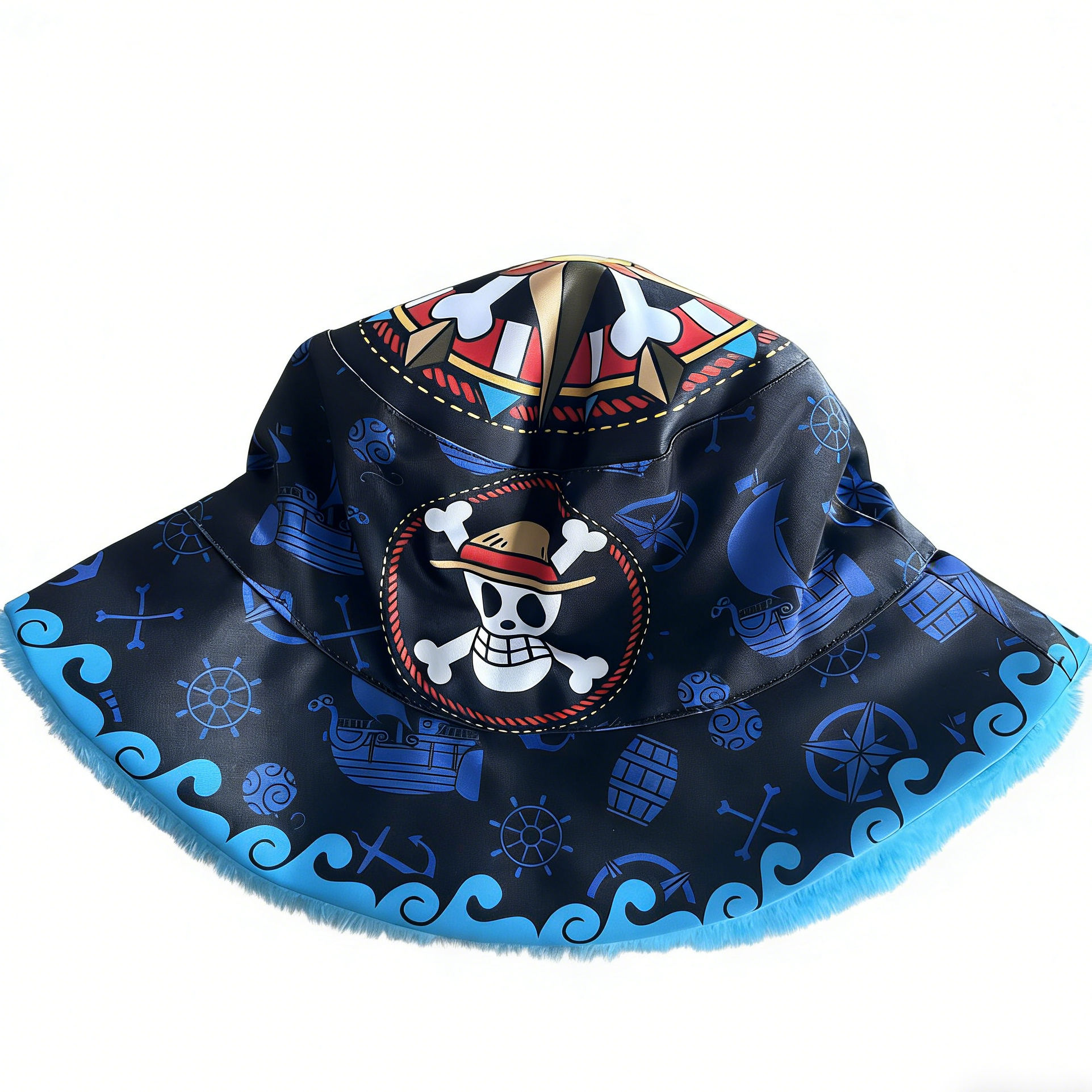
The boonie hat traces its origins directly to military issue. The US military introduced the "hat, sun, hot weather" during the Vietnam War to provide troops with better protection against tropical sun and rain than standard-issue helmets or patrol caps. This military pedigree heavily influences modern commercial designs. Defining features include foliage rings—a band of crown webbing originally used to hold vegetation for camouflage or small gear—and a stiffer, flat-brim architecture.
Integrated chin cords with adjustable toggles are standard, ensuring the hat remains secure during tactical movement or rotor wash. Internal construction details further separate it from casual headwear. Many feature hidden map pockets inside the crown and utilize tactical, moisture-wicking polyester sweatbands designed to manage heavy perspiration under extreme physical exertion. The brim is often reinforced with multiple layers of canvas or a flexible plastic insert to prevent it from sagging when soaked with rain or sweat.
The crown design usually incorporates a flatter top compared to the rounded profile of casual hats. This flat top allows for better integration with over-ear communication headsets or hearing protection. The foliage ring, typically made of heavy-duty nylon webbing, is bar-tacked at regular intervals to provide secure attachment points that will not tear under load.
Boonie hats excel in demanding environments. Optimal use cases include backcountry trekking, tactical operations, angling, and scenarios involving extreme sun or wind exposure. The secure retention and wide coverage make them indispensable for serious outdoor professionals. If you are navigating dense brush, the stiff brim protects your face and eyes from snapping branches. However, they are not without limitations. The heavier construction and dense fabrics can trap heat if the hat is improperly ventilated.
Additionally, the rigid, wider brims can sometimes become a hindrance. When wearing high-collar backpacks, the back brim may rub against the pack, pushing the hat forward over your eyes. The stiff brim can also interfere with the wearer's field of vision when looking directly upward, a factor to consider for climbers, hunters, or anyone operating in vertical environments.
Another limitation is packability. While you can fold them, doing so repeatedly or storing them compressed for long periods can permanently crease the brim reinforcement. Once the brim is creased, it loses its structural integrity and may flop down, defeating its primary purpose of providing a wide, horizontal sun shield.
Brim architecture dictates the primary protective capability of the headwear. A downward slope characterizes the casual style, keeping a compact profile while shielding the eyes. In contrast, a boonie utilizes a horizontal, extended width to cast a wider shadow over the neck and ears. Brim construction also varies significantly. Standard multi-row stitching provides soft packability for casual hats, allowing them to be crushed into pockets. Boonie hats often use reinforced interfacing or internal plastic piping and inserts to prevent the brim from drooping when saturated with water or sweat.
When selecting headwear for intense sun, buyers must evaluate UPF fabric ratings and extended back-flap modifications. These technical additions allow a softer hat to rival a standard boonie in UV defense while maintaining superior packability. The angle of the brim also affects wind resistance; a downward-sloping brim catches less wind from below, whereas a wide, flat brim can act like a sail if not secured properly.
| Feature | Casual Style | Tactical Boonie |
|---|---|---|
| Brim Angle | Downward slope | Horizontal / Flat |
| Rigidity | Soft, crushable | Stiff, reinforced |
| Wind Retention | Minimal to none | Integrated chin cord |
| Ventilation | Embroidered eyelets | Brass grommets / Mesh panels |
| Packability | Excellent (no creasing) | Moderate (risk of brim damage) |
Adjustable chin cords with toggles are an absolute necessity for marine, alpine, and high-wind environments. Boonie hats incorporate these as a standard feature, ensuring the headwear remains anchored during sudden gusts or high-speed movement. The cord is typically routed through the brim or attached directly to the base of the crown, providing a secure two-point anchor. Casual styles traditionally omit these straps to maintain a clean aesthetic and reduce bulk.
Buyers often face trade-offs when modifying casual hats. While aftermarket or removable straps can be added to standard styles, they rarely offer the same security as the integrated dual-point retention systems engineered into tactical headwear from the ground up. A clip-on strap might fail under the sudden load of a strong wind gust, whereas a sewn-in paracord chin strap will hold fast.
Passive cooling mechanisms are critical for thermal regulation. Casual styles typically rely on simple embroidered eyelets, which provide minimal airflow suitable for low-exertion activities. Tactical designs employ screened brass mesh grommets, dedicated side vents, or integrated 360-degree mesh crown panels. The brass grommets are specifically designed to prevent insects from entering while allowing hot air to escape.
During high-exertion activities in humid climates, heat must escape the crown efficiently. Heavy cotton fabrics trap heat, making mesh panels and moisture-wicking synthetics essential for preventing heat exhaustion in tropical or desert environments. Some advanced tactical designs even incorporate a double-layer crown where the outer layer acts as a sun shield and the inner layer is entirely mesh, creating a continuous airflow channel over the top of the head.
Crushability is a major factor for travelers. Soft-brimmed styles recover their shape almost instantly after being pulled from a pocket or tightly packed bag. This makes them ideal for daily transit and unpredictable weather where you might need to stow the hat quickly. Stiff-brimmed boonie hats require more careful handling. Folding them improperly can lead to permanent creasing in the brim interfacing, compromising both their appearance and their structural ability to block the sun.
If you must pack a rigid-brimmed hat, the best method is to lay it flat at the bottom of a suitcase or roll it gently into a cone shape, avoiding any sharp folds. Soft hats, on the other hand, can be balled up and shoved into a cargo pocket without any negative consequences.
Material selection drives performance. Standard materials like cotton twill and canvas offer excellent comfort and a classic casual look. However, they absorb moisture and dry slowly. Nylon ripstop and polyester blends dominate the tactical space. These synthetic weaves provide superior tear resistance, quick-dry capabilities, and structural longevity against abrasive environments. Ripstop fabrics feature a reinforced grid pattern woven into the material, which stops small tears from expanding into large holes.
Fabric choice directly impacts overall weight, thermal retention, and moisture-wicking capabilities. Synthetics remain lightweight even when wet, whereas cotton becomes heavy and loses its insulative properties. For high-abrasion environments, a 50/50 nylon-cotton (NYCO) blend offers a good compromise, providing the durability of nylon with the comfortable feel of cotton.
Technical boonies frequently feature DWR (Durable Water Repellent) coatings, causing water to bead and roll off the fabric. Untreated cotton hats absorb rain immediately, becoming heavy and uncomfortable. For sun protection, buyers must verify UPF 50+ certifications on manufacturer labels. This certification guarantees the fabric blocks a specific percentage of harmful UVA and UVB rays, a crucial metric for long-term outdoor exposure.
It is important to note that UPF ratings can degrade over time, especially if the hat is subjected to heavy washing or prolonged exposure to chlorine or saltwater. Replacing heavily used sun hats every few seasons ensures you maintain maximum UV defense.
Washing protocols differ based on construction. Durable cotton styles generally withstand standard machine washing, making them easy to maintain. Technical boonies require hand-washing with mild detergents. Machine washing can destroy the stiff brim interfacing and strip away factory-applied DWR treatments, significantly reducing the lifespan and functionality of the hat.
To clean a technical hat, soak it in a basin of cool water with a specialized technical fabric wash. Use a soft brush to gently scrub the sweatband, then rinse thoroughly and air dry. Never put a stiff-brimmed hat in a clothes dryer, as the heat will warp the internal plastic or canvas stiffeners.
Cultural positioning plays a significant role in selection. The classic style carries a casual, retro-streetwear appeal, easily integrating into urban wardrobes and festival attire. It projects a relaxed, approachable vibe. The boonie hat aligns with the utilitarian, military-grade aesthetic, projecting a rugged, function-first image favored by outdoor enthusiasts and tactical practitioners. Wearing a heavy tactical hat in a casual urban setting can look out of place, just as wearing a soft cotton hat on a rugged backcountry expedition can leave you underprepared.
Choose this style when prioritizing packability, daily style versatility, lightweight comfort, and moderate environmental exposure. It is the superior choice for travel, casual city walking, and situations where you need quick, storable shade without looking overly tactical. If your primary activity involves moving between indoors and outdoors frequently, the easy storage of a soft hat is unbeatable.
Select this option when prioritizing maximum UV coverage, high-wind security, durability against heavy brush abrasion, and heavy outdoor utility. It is the necessary tool for deep wilderness navigation, offshore fishing, and environments where equipment failure is not an option. If you expect to encounter high winds, heavy rain, or intense, unbroken sunlight for hours on end, the rigid brim and secure chin strap are mandatory features.
Buyers must navigate different sizing scales. Tactical boonie hats often use military numerical sizing, requiring precise head measurements. Casual styles typically rely on commercial sizing, which can be less exact. A major risk involves sizing down with untreated cotton hats; they will shrink post-wash, altering the fit and pulling the brim angle upward. A hat that fits perfectly in the store might become unwearably tight after its first wash.
Always measure your head circumference accurately. When in doubt, prioritize designs with adjustable shock-cord crowns to guarantee an exact, customizable fit regardless of minor fabric shrinkage. This adjustability also allows you to loosen the hat slightly for better ventilation during hot weather.
A common pitfall is over-specifying gear. Wearing a heavy-duty, ripstop boonie hat in a low-intensity, high-humidity environment incurs a comfort penalty. The heavy fabric traps heat, causing excessive sweating. In such scenarios, a lightweight, breathable synthetic alternative would provide superior comfort and adequate protection without the unnecessary bulk. Match the fabric weight and feature set to the actual conditions you will face, rather than buying the most rugged option available by default.
The final choice between these two distinct hat styles hinges entirely on the severity of your environment. Opt for softer, unstructured designs for casual, low-impact utility where packability and comfort rule. Deploy stiff-brimmed, tactical designs for technical, high-exposure environments where wind, rain, and intense UV rays demand uncompromising protection. Making the right choice ensures you remain comfortable, protected, and focused on your activity rather than adjusting your gear.
To finalize your decision, take the following actionable steps:
Measure your exact head circumference using a flexible tape to avoid sizing inconsistencies and shrinkage risks.
Check manufacturer tags specifically for UPF 50+ ratings if your primary use involves prolonged sun exposure.
Evaluate your primary outdoor activity to determine if a chin cord and stiff brim are mandatory for wind resistance.
Assess your storage constraints to decide if you need a fully crushable design or can accommodate a rigid brim.
A: The webbing consists of foliage rings or branch loops. Originally designed by the military for holding vegetation to provide camouflage, modern outdoor users utilize these loops to attach small, lightweight gear like fishing flies, utility paracord, or mosquito nets.
A: While traditional casual designs omit them for a cleaner aesthetic, modern technical or sun protection variants often include removable or fixed chin cords. This addition provides necessary wind resistance for active outdoor use.
A: A boonie hat generally offers superior sun protection. Its wider, stiffer, horizontal brim casts a larger shadow, providing significantly better coverage for the neck, ears, and face compared to the narrower, downward-sloped brim of standard casual styles.
A: Most are water-resistant rather than fully waterproof, typically treated with a Durable Water Repellent (DWR) coating to shed light rain. However, specialized variants utilizing laminated membranes like Gore-Tex do exist for heavy, sustained downpours.
A: The ideal fit should be snug enough to stay on your head during light movement, but loose enough to prevent forehead pressure marks and allow adequate airflow. You should be able to fit one finger comfortably between the sweatband and your head.
A: While they are foldable, stiff-brimmed boonies have packability limits. If compressed tightly for too long, the internal brim interfacing may develop permanent creases. Fully unstructured casual hats can be crushed without this risk.
A: Military numerical sizes correlate directly to head circumference in inches and centimeters. Commercial sizes cover a broader range. For example, a size 7 1/4 typically falls into a commercial Large.


