

Views: 0 Author: Site Editor Publish Time: 2026-08-03 Origin: Site


The best outdoor bucket hat for hiking is not just a stylish hat. It should protect the head, feel light, pack easily, and stay secure on the trail. For buyers, the real question is simple: can it handle sun, sweat, wind, and regular outdoor use?
A bucket hat for hiking works best for forest trails, short hikes, warm walks, camping, travel, and outdoor lifestyle wear. For long routes under strong sun, a wide-brimmed bucket hat for hiking or a larger sun hat may be safer.
Note: B2B buyers should judge hats by use case, not only by color or price.
A good outdoor bucket hat for hiking needs balanced performance. It should give shade without feeling bulky. A medium or wider downward brim can cover the scalp, forehead, eyes, and ears. But too much brim may block side vision on narrow trails.
Breathability also matters. Mesh panels, air holes, and quick-dry sweatbands help release heat. They keep the head cooler during uphill walking. A breathable bucket hat for hiking is often easier to wear for hours.
Weight is another key point. A lightweight hiking bucket hat should not press the forehead or trap heat. It should feel soft, stable, and easy to forget.
Packability is important for travel buyers. A packable bucket hat for hiking can fold into a backpack or side pocket. It should recover its shape after storage.
Wind stability should not be ignored. A chin strap, crown cinch, elastic band, or rear cord can keep it in place. This is useful for coastal trails, open hills, and travel groups.
Quick-dry fabric also adds value. Nylon, polyester, ripstop fabric, and treated materials work better than heavy cotton in sweat or light rain.
Tip: For wholesale orders, request fold tests, sweatband checks, and wind-fit samples before bulk production.
The most useful hiking bucket hat features depend on the hiking style. Use this guide to match features to trail conditions:
| Hiking Type | Priority Feature | Why It Matters |
|---|---|---|
| Short day hikes (1–3 hrs) | Breathability + light weight | Keeps the head cool on short, active trails |
| Full-day exposed trails | Wide brim + UPF 50+ | Adds stronger sun protection for long exposure |
| Multi-day backpacking | Packability + quick-dry fabric | Saves space and dries faster after sweat or rain |
| Wet or changeable weather | Water-resistant material | Handles sweat, drizzle, and damp trail use |
| Coastal or open hills | Chin strap or cinch cord | Helps prevent hat loss in wind |
A short fashion brim may look clean, but it gives limited shade. A medium-to-wide brim is usually better for a hiking hat. It protects more area while staying easy to wear.
A UPF bucket hat for hiking gives stronger sun-protection value. UPF fabric is useful for high-altitude routes, open parks, and summer travel markets. Buyers can use UPF 50+ as a stronger product claim when test reports support it.
Crown height affects comfort. A deep crown feels more secure. A shallow crown may feel cooler, but it can shift in wind.
Note: Any UPF claim should be backed by fabric testing before it appears on labels or packaging.
A bucket hat is very useful on forest trails. Trees reduce direct sun. The hat adds shade around the eyes and ears. It also feels less technical than a large sun hat.
It also suits warm-weather day hikes. A breathable bucket hat for hiking helps reduce heat buildup. The soft brim feels easy during slow climbs.
For light rain, a water-resistant bucket hat for hiking can help. It keeps drizzle away from the face. It also works for travel routes, fishing, boating, and campsite use. A truly waterproof bucket hat for hiking is better for wet regions, but it may feel warmer. Heavy rain still needs a dedicated rain hat.
For mixed outdoor use, the bucket hat has strong retail appeal. It can work for hiking in the morning, camping later, and city walking at night. This trail-to-town look makes it easier for outdoor retailers to sell.
For a detailed comparison, read our guide to Bucket Hat vs Other Sun Protection Hats.
Tip: Build product lines by climate, such as mesh hats for hot markets and water-resistant hats for rainy regions.
For hiking, nylon and polyester are stronger choices than cotton. They dry faster and handle sweat or light rain more easily. Mesh improves airflow, and ripstop panels add durability.
Cotton and canvas feel soft and natural, but they dry slowly and feel heavy when wet. They work best for short, dry walks rather than serious hiking.
Recycled polyester or recycled nylon can support eco-focused collections. They appeal to outdoor brands, gift buyers, and retailers with sustainable sourcing goals.
For more details, see our guide: What Is an Outdoor Bucket Hat?
Tip: For B2B development, offer two versions: a cost-friendly polyester model and a premium recycled fabric model.
First, match the hat to hiking intensity. Casual hikers need comfort, light weight, and style. More active users need UPF fabric, mesh, a chin strap, and quick-dry materials.
Second, check sizing. Adjustable sizing can reduce returns. It also helps retailers serve more head sizes with fewer SKUs.
Third, match features to climate. Hot regions need breathable mesh. Rainy areas need water resistance. Sunny markets need UPF bucket hat for hiking options.
Fourth, balance protection, style, and cost. The most technical hat is not always the best commercial product. A simple outdoor bucket hat for hiking may sell better if it fits the target price and retail channel.
Example: For travel retailers, a packable bucket hat for hiking with logo embroidery may be more practical than a heavy technical hat. For outdoor stores, UPF fabric and a secure fit may matter more.
For B2B buyers, Maxship supports custom hiking bucket hat projects with fabric selection, breathable designs, flexible MOQs, and quality control support. Buyers can discuss UPF fabric, brim shape, logo options, sizing, and packaging based on their target retail market.
Contact Maxship to discuss your hiking hat project.
Note: Buyers should request samples in real head sizes, not only flat product photos.
Some buyers choose a fashion bucket hat for trail use. It may look good, but it may lack ventilation, quick-dry fabric, secure fit, and UV protection.
Another mistake is ignoring brim size. A very short brim may not shade enough for open trails. It can weaken the product’s hiking claim.
Wind stability is also missed often. Soft brims can lift in gusts. A chin strap or crown adjustment helps keep the hat stable.
Packability should be checked early. A hiking hat should fold easily. It should also look acceptable after being stored in a backpack.
Tip: Ask suppliers for folded photos, brim recovery videos, and fabric test data before confirming a hiking collection.
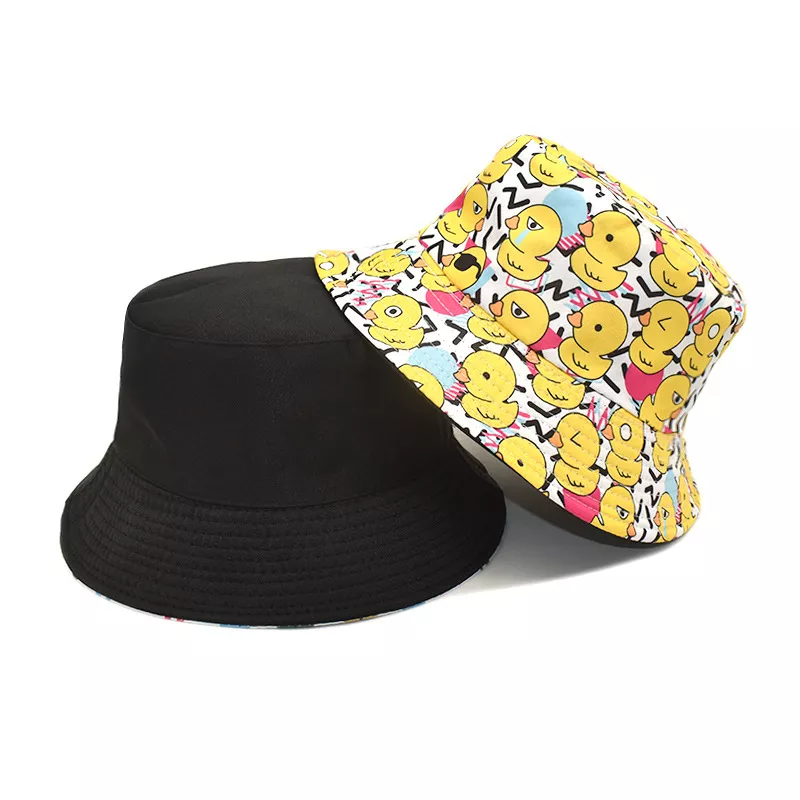
The best outdoor bucket hat for hiking is lightweight, breathable, packable, secure, and protective enough for the intended trail. It should offer useful shade, quick-dry comfort, and stable wear without feeling heavy.
A bucket hat works best for casual hiking, forest trails, warm-weather walking, camping, travel, and outdoor lifestyle use. For long full-sun hikes, high-altitude routes, or strong UV exposure, buyers may need a wide-brim hiking hat or a larger sun hat.
For product sourcing, compare brim width, UPF fabric, breathability, fit adjustment, packability, weather resistance, and target market needs. That is how buyers can choose the best outdoor bucket hat for hiking without relying only on appearance.
A: The best bucket hat for hiking should be lightweight, breathable, packable, and protective. Nylon or polyester with UPF 30+ fabric, a medium brim, and a secure fit is ideal for most trails.
A: Yes, a bucket hat is good for casual hiking, forest trails, and warm-weather walks. It shades the head and ears better than a baseball cap and packs easily into a backpack.
A: Around 6–7 cm is a practical range for many hiking bucket hats. It gives useful shade without blocking side vision on narrow trails.
A: Yes, choose a lightweight, packable bucket hat that folds flat and recovers its shape. Nylon or ripstop fabric is better for durability and quick drying.
A: Cotton is comfortable for short, dry hikes, but it absorbs sweat and dries slowly. For longer hikes or wet conditions, nylon or polyester is a better choice.
A: Focus on quick-dry fabric, UPF rating, brim width, breathability, and fit adjustment. Ask suppliers for UPF test reports, folded samples, and bulk quality checks.


