

Views: 0 Author: Site Editor Publish Time: 2026-06-22 Origin: Site


Buying new headwear for the hottest months feels exciting until reality sets in. Many buyers experience the immediate frustration of a purchase failing quickly. Your new accessory might crack, lose shape, or fail to stop UV rays during its first week of use. You need reliable gear to survive scorching heat. A high-quality summer hat must perfectly balance weave density for sun defense, material flexibility for durability, and proper ventilation for true comfort. If it lacks any of these critical traits, you risk severe sunburns or wasting money on a useless item.
This guide deeply evaluates various material types, structural designs, and specific use cases. We help you shortlist a functional, long-lasting investment rather than settling for a disposable seasonal accessory. You will discover exactly how to choose the perfect option to protect yourself and match your daily lifestyle.
Material dictates lifespan: Natural fibers like Raffia and Palm Leaf offer superior flexibility and weather resistance compared to budget-friendly paper braids (Toyo).
Weave density overrides brim size: A wide brim offers no real protection if the straw weave allows direct sunlight through; certified UPF 50+ linings are the industry standard for reliable coverage.
Match the structure to the environment: A structured Panama hat suits low-impact environments, while crushable, chin-strap-equipped designs are required for active beach, boating, or ranch use.
Handling determines durability: Most straw hats fail prematurely due to improper handling (pinching the crown) rather than manufacturing defects.
Many consumers blindly trust generic labels. They assume any wide brim automatically blocks harmful rays. They are entirely wrong. Standard, loosely woven fibers offer terrible UV protection. Visual shade does not equal actual UV blockage. Sunlight easily penetrates loose weaves. This invisible radiation burns your scalp and face despite the perceived cover.
Brittleness is another massive pain point. Buyers frequently complain about fibers cracking and unraveling after just a few wears. This failure stems directly from moisture depletion and cheap material sourcing. Many brands market cheap paper blends as authentic fibers. These paper variants absorb your sweat, swell up, and then dry out aggressively. Once dry, they snap under the slightest pressure. A genuine Straw Hat relies on natural resins to maintain structural integrity over time.
Furthermore, one-size-fits-all sizing is a flawed concept. Coastal winds easily blow poorly fitted headwear away. Rigid materials lack internal stretch. If a hat lacks an internal sweatband or an adjustable sizing mechanism, it will never sit securely on your head. You will spend your entire afternoon holding the brim to prevent the wind from stealing it.
Understanding material science separates a decade-long investment from a single-season regret. Different fibers behave radically differently under heat, moisture, and pressure.
Raffia Straw
Harvested from tropical palm trees, Raffia contains a very high natural resin content. This unique biological trait makes it incredibly flexible and naturally water-resistant. You can crush or pack certain crocheted Raffia styles without destroying them. This resilience makes it the ultimate material for a durable Summer Beach Hat. However, Raffia is often heavier than finely woven alternatives. Over years of heavy use, it can slowly lose its structured shape.
Palm Leaf
Palm leaf represents the gold standard for heavy-duty outdoor work. It is extremely durable. Unlike other fibers, you can fully submerge palm leaf in water and reshape it while wet. Western styles heavily utilize this material. The primary drawback is its weight. It feels heavier and breathes far less efficiently than premium, finely woven counterparts.
Toquilla Straw (Genuine Panama Hats)
Artisans weave genuine Panama hats exclusively from Toquilla fibers in Ecuador. These offer exceptional breathability, an ultra-lightweight feel, and a highly premium aesthetic. They thrive in humid environments. The downside is extreme fragility in dry heat. Toquilla requires ambient humidity to prevent the fibers from snapping. It remains a terrible choice for rough travel, heavy rain, or aggressive outdoor sports.
Toyo / Paper Braid
Toyo is essentially twisted paper coated in a plasticizing glaze. It provides a highly cost-effective, consistent machine-made appearance. Fast fashion brands love it. Unfortunately, Toyo offers absolutely zero water resistance. Heavy sweat or a brief rain shower will warp it permanently. You should treat paper braid as a disposable item.
| Material Name | Flexibility Level | Water Resistance | Ideal Environment |
|---|---|---|---|
| Raffia | Excellent | High | Beach, Resort, Travel |
| Palm Leaf | Moderate | Excellent | Ranch, Construction, River |
| Toquilla | Low | Poor | Urban, Golf, Low-Impact |
| Toyo (Paper) | Moderate (Initially) | None | Casual, Single-Season |
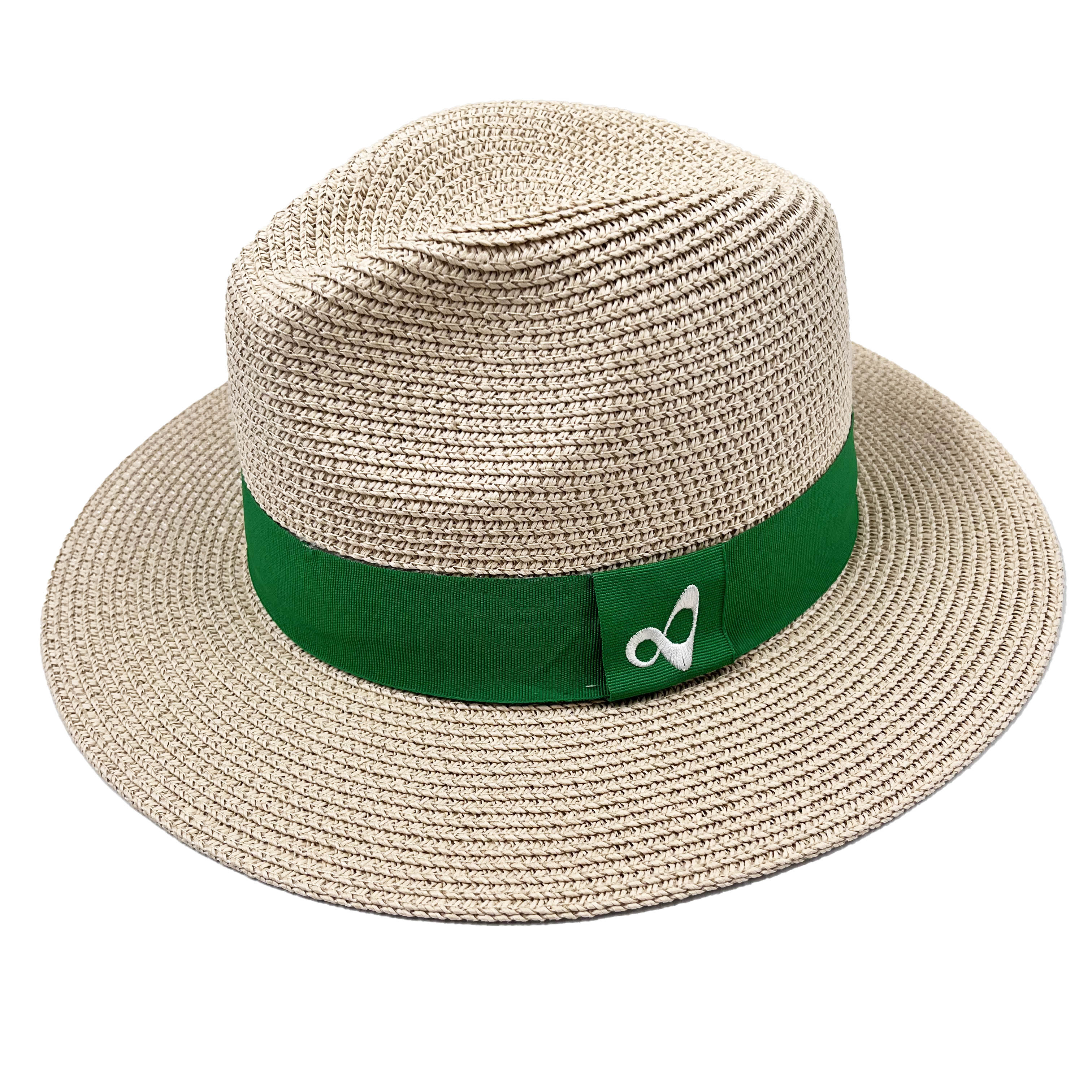
To evaluate proper summer headwear, you must move beyond pure aesthetics. Professional sun protection relies on strict physical dimensions and verifiable certifications.
UPF 50+ Certification and Under-Brim Linings: Woven products naturally contain microscopic gaps. Sunlight penetrates these holes. A physical fabric lining sewn under the brim or inside the crown is the only verifiable way to guarantee maximum UV protection. Certified UPF 50+ fabric stops 98% of harmful radiation.
Brim Width vs. Angle Correlation: Evaluate coverage by looking at your shoulders and neck. A massive 4-inch flat brim might look impressive, but it allows reflected morning and afternoon sunlight to reach your lower neck. Conversely, a 3-inch downward-sloping brim creates a tighter physical cone of shade. The downward angle protects you far better during active movement.
Ventilation vs. Radiation Trade-off: You must navigate a deliberate compromise here. A highly breathable, open-weave crown allows maximum airflow to cool your body. However, that same open weave drastically increases your risk of scalp sunburn. Bald individuals or those with thin hair must prioritize a solid crown or an interior UPF lining over maximum ventilation.
Internal Sweatbands: Never underestimate the interior band. You need a moisture-wicking, antimicrobial sweatband. This component maintains hygiene by trapping bacteria. More importantly, it acts as a physical barrier. It prevents corrosive salt and acidic sweat from seeping directly into the natural fibers, halting premature degradation.
Buying the right item requires matching its structural design to your specific daily environment. A beautiful piece of craftsmanship will fail instantly if you deploy it in the wrong setting.
The Active Coastal / Boating Hat
Ocean environments demand specific traits. Look for wide, floppy, or semi-structured brims. Raffia construction is ideal here because of its natural moisture resistance. You absolutely must demand wind lanyards (chin straps). High-speed boat rides or sudden coastal gusts will rip unprotected gear right off your head. Packability is another vital factor, as beach trips often involve stuffing gear into canvas tote bags.
The Golf / High-Activity Fedora
Golfers face a unique spatial challenge. You need sun protection, but a massive brim will hit your shoulders during a backswing. Look for structured brims measuring exactly 2.5 to 3 inches. Teardrop crowns with specialized venting grommets release trapped heat efficiently. Opt for lightweight Toquilla or advanced synthetic blends. These materials feel weightless on the course and will not impede your swing mechanics.
The Farm / Work Cowboy Hat
Manual labor requires indestructible gear. Look for Bangora, Shantung, or thick Palm leaf materials. These hats must feature highly rigid brims to ensure maximum overhead sun blockage throughout a grueling workday. Flexibility matters less here than extreme durability against physical abrasions, tree branches, and heavy equipment.
| Use Case | Recommended Material | Required Features | Brim Style |
|---|---|---|---|
| Coastal & Boating | Raffia | Chin Strap, Packable Weave | Wide & Downward Sloping |
| Golfing & Active | Toquilla / Synthetic | Vented Crown, Ultra-Lightweight | 2.5 - 3 Inch Structured |
| Farm & Ranch | Palm Leaf / Shantung | Thick Sweatband, Resin Coated | Rigid & Wide |
Even the finest materials will deteriorate rapidly if you fail to maintain them or size them correctly. Proper implementation ensures your investment lasts for years.
Accurate Head Measurement
You must guide yourself away from generic categories like "Large" or "Small." Sizing varies wildly between brands. Always measure your head in exact centimeters. Place a soft measuring tape about one centimeter above your ears and across the middle of your forehead. While some brands provide foam sizing tape to snug up a loose fit, this foam eventually compresses. Relying on tape rather than an accurate baseline measurement usually results in long-term discomfort.
The "Packable" Myth
Brands heavily abuse the word "packable." Do not roll up a structured Panama hat. Clarify the material before stuffing it into a suitcase. Only specific weaves, such as tightly crocheted Raffia, are truly crushable and capable of bouncing back. If you roll a structured Toquilla or Toyo hat, you will snap the brittle fibers and permanently ruin the crown shape.
Handling and Care Guidelines
Follow these strict preservation rules to drastically extend the lifespan of your gear:
Never pinch the crown: Always put on and remove your hat by gently holding the front and back of the brim. Pinching the top point cracks the fragile front fibers.
Avoid high heat: Never leave natural fibers on a hot car dashboard. The extreme trapped heat bakes all the natural moisture out of the material, turning it incredibly brittle.
Use light steam for repairs: If you accidentally dent a natural fiber product, hold it over a steaming kettle. The gentle moisture softens the fibers, allowing you to pop the dent out manually.
Selecting the ideal summer headwear requires a logical assessment of your environment and material needs. If you spend your time in windy, abrasive beach environments, prioritize UPF ratings and the flexible durability of Raffia. Conversely, if you prefer urban settings or golf courses, structured Toquilla combined with active crown ventilation offers the best experience.
Before checking out, always verify your exact head circumference against the manufacturer's specific sizing chart. Ignoring this step leads to miserable fitting issues and frustrating returns.
Take action now by measuring your head with a soft tape. Once you have your exact centimeter measurement, navigate to a specific collection based on your newly chosen material preference. Always review the brand's warranty and return policies to ensure you can exchange the item if the initial fit feels slightly off.
A: It depends entirely on the material. Palm leaf and certain treated Raffias can withstand moisture quite well. You can even reshape palm leaf while wet. However, Toquilla and cheap paper straw will warp, shrink, or completely dissolve if exposed to ocean water or heavy rain.
A: A summer beach hat typically features a much wider brim measuring over four inches. It utilizes highly flexible, packable materials to survive rough travel in beach bags. Furthermore, it almost always includes wind retention mechanisms, like chin straps, which you rarely find in casual urban sun hats.
A: For natural, non-paper straws, you can use heat and moisture. Apply gentle steam from a handheld garment steamer or a boiling kettle directly to the crushed area. The steam softens the fibers. You can then manually reshape the structure with your hands before letting it air dry.
A: Darker dyes do absorb slightly more UV rays than lighter colors. However, weave density and internal UPF fabric linings are vastly more important metrics for sun safety. A tightly woven white fiber protects you much better than a loosely woven dark one.


