

Views: 0 Author: Site Editor Publish Time: 2026-06-29 Origin: Site


Many people view woven headwear merely as a breezy summer fashion statement. However, a properly designed Straw Hat serves as purpose-built, highly functional outdoor gear. It solves distinct environmental challenges you face under an unforgiving sun. Prolonged sun exposure drains your energy rapidly and can severely damage unprotected skin. Standard synthetic caps often trap body heat, creating an uncomfortable greenhouse effect around your head. You need a reliable way to manage this microclimate to stay cool and safe.
Heavy canvas hats cause excessive sweating. Standard sports visors leave the back of your neck completely exposed to harmful ultraviolet rays. You must understand how to evaluate woven hats beyond their basic aesthetics to find a practical solution. We will explore structural features, key material differences, and practical limitations. This guide helps you evaluate these elements effectively so you can choose the perfect gear for your specific outdoor needs.
Primary Function: Delivers superior thermoregulation and broad-spectrum shade compared to standard caps or synthetic bucket hats.
Material Matters: Performance varies drastically between palm leaf, raffia, and paper braids regarding durability and moisture resistance.
Evaluation Criteria: A quality outdoor straw hat must be judged on weave density (for UV blocking), brim structure (for wind resistance), and internal retention systems (sweatbands and chin cords).
Natural woven fibers excel at managing body temperature. Your head radiates a significant amount of heat during physical exertion. Solid synthetic fabrics trap this thermal energy, raising your core body temperature. Woven natural materials perform differently. They allow trapped body heat to escape seamlessly through the microscopic gaps in the crown. Simultaneously, the thick natural fibers block direct radiant heat from the sun. This dual action creates a passive venting system. It constantly cycles cooler outside air with warm trapped air. You stay noticeably cooler compared to wearing a traditional baseball cap.
A wide, structured brim acts as a portable shade canopy. It provides vital physical shade for your face, ears, and the sensitive back of your neck. These are primary areas for dangerous sunburns and long-term skin damage. However, you must understand a critical reality regarding ultraviolet protection. UV protection depends entirely on weave density, not just the base material. A loosely woven fiber might look thick, but it will still allow harmful UV rays to penetrate the gaps. When selecting sun protection, always verify the density of the weave. The tightest weaves offer genuine broad-spectrum shade.
Bright environments cause severe optical strain. Open water, agricultural fields, and reflective sand bounce intense sunlight directly into your eyes. The under-brim structure plays a crucial role in mitigating this fatigue. When you wear a hat with a dark under-brim, the material absorbs reflected light rather than bouncing it into your field of vision. This simple structural addition drastically reduces glare. It allows you to navigate high-glare environments safely without squinting. Workers in open fields rely heavily on this feature to maintain visibility and prevent painful eye strain during long shifts.
You cannot use a single hat design for every scenario. Different environments demand highly specific structural and material profiles. Choosing an inappropriate style leads to frustration, discomfort, or rapid gear failure. Let us break down the ideal configurations for common scenarios.
Requirements: You need maximum sun coverage, high durability, and a rigid structure. Heavy labor exposes headwear to dirt, sweat, and physical impacts.
Ideal Profile: Look for a wide-brimmed palm leaf or rush straw design. These materials withstand serious abuse. A dark under-brim is essential here to absorb light reflected off bright soil or concrete. The structure must remain rigid to prevent the brim from sagging over your eyes when heavily saturated with sweat.
Requirements: Active movement requires a secure fit and superior sweat management. You need a moderate brim size to avoid snagging on dense brush or low-hanging branches.
Ideal Profile: A medium-brim, tightly woven raffia or palm hat fits best. It must feature an integrated moisture-wicking synthetic sweatband to keep perspiration out of your eyes. A heavy-duty chin toggle is non-negotiable. High-elevation trails often feature unpredictable, heavy wind gusts that will instantly tear an unsecured hat off your head.
Requirements: Travel demands packability, lightweight construction, and aesthetic flexibility. You will likely stuff the hat into overhead bins or beach bags.
Ideal Profile: Crocheted raffia or flexible Toquilla straw serves this purpose perfectly. These specific materials handle minor deformation gracefully without cracking or losing their fundamental shape. They remain light enough to wear comfortably for hours while lounging.
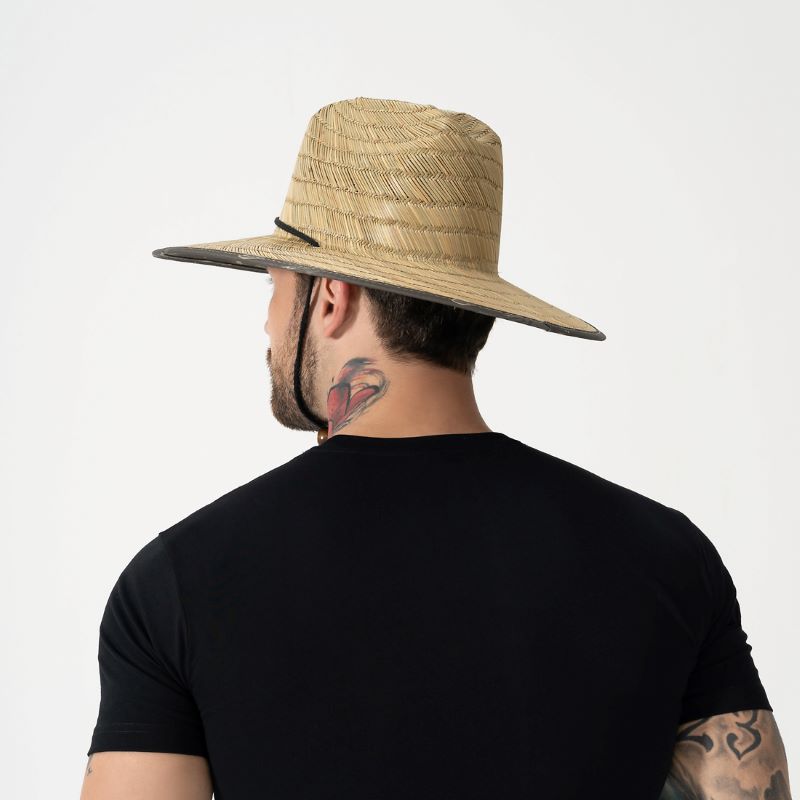
The term "straw" functions as a blanket category. In reality, manufacturers construct these hats from vastly different plant fibers. Each fiber type possesses unique mechanical properties, limitations, and maintenance requirements. Understanding these differences prevents costly purchasing mistakes.
| Material Type | Durability | Flexibility | Moisture Resistance | Ideal Use Case |
|---|---|---|---|---|
| Palm Leaf | Very High | Low (Rigid) | Excellent | Heavy labor, wet conditions |
| Raffia | High | Very High | Moderate | Travel, active hiking |
| Toquilla | Moderate | High | Low | Premium leisure, hot/humid climates |
| Paper Braid | Low | Moderate | Very Poor | Casual, single-season fashion |
We must highlight palm leaf as the most durable and structurally sound option available. Harvesters overlap and weave thick palm fibers to create an incredibly robust shell. Evidence points to its unmatched resilience: you can often submerge a palm leaf hat in water, reshape the brim, and let it dry perfectly back into form. It withstands heavy physical abuse, making it the undeniable choice for ranchers and landscapers.
Raffia comes from the segments of palm fronds. It possesses a high natural resin content. This internal resin allows the material to retain incredible flexibility over time. It prevents the immediate cracking often seen in drier materials. Because it flexes rather than snapping, raffia proves excellent for travel. You can pack it gently, and it will spring back to its original shape.
Toquilla straw forms the foundation of the authentic Panama hat. We frame this as the premium, highly breathable option. It offers exceptional elegance and fine weaving. However, you must note its specific maintenance requirements. Toquilla requires specific environmental humidity to remain pliable. If you leave it in a hot, dry car or an arid desert environment, the fibers will turn brittle and crack under minimal pressure.
We must issue a skeptical-friendly warning regarding paper braid, often labeled as Toyo straw. Manufacturers create this by tightly rolling and coating heavy paper. It remains highly cost-effective and looks visually appealing on store shelves. However, it is inherently vulnerable to moisture and sweat degradation. Once paper braid absorbs heavy sweat or rain, it loses structural integrity completely. We do not recommend this material for rigorous outdoor use.
Beyond the base material, specific manufacturing and design choices dictate how the hat performs in the wild. You must analyze the engineering of the hat to determine its true functional value.
You face a persistent tradeoff between cooling and protection. A looser weave vents trapped body heat exceptionally well. However, this same loose weave allows direct UV penetration, rendering the sun protection nearly useless. Conversely, a tighter weave physically blocks hazardous UV radiation but retains slightly more heat inside the crown. For genuine protection, you should always prioritize weave density. You can compensate for the retained heat by ensuring the hat features appropriate crown ventilation.
The shape of the crown impacts both aerodynamics and structural integrity. A classic cattleman crease splits wind resistance effectively, preventing the hat from blowing backward. Teardrop crowns lower the profile for a more aerodynamic fit. Many performance models feature vented gussets. These are strategically placed eyelets or mesh inserts located high on the crown. They force hot air out without compromising the rigid structure of the main body. A poorly shaped crown will act like a sail under heavy wind load, causing constant frustration.
Even the finest Outdoor Straw Hat becomes useless if it blows away. You must evaluate the necessity of adjustable chin cords. For any open, windy environment—like a boat deck or an exposed mountain ridge—a chin cord is mandatory. Inside the hat, the sweatband dictates your daily comfort. Standard cotton sweatbands absorb moisture but dry very slowly, eventually feeling cold and clammy. Performance elastic sweatbands wick moisture away from your skin actively. They dry rapidly and conform securely to the unique shape of your forehead.
Natural materials possess inherent physical boundaries. If you ignore these boundaries, your gear will fail prematurely. Understanding the specific vulnerabilities ensures you get the most out of your investment.
We must provide transparent warnings about water damage. Aside from specific, untreated palm leaf models, heavy rain will permanently ruin most natural woven hats. Water causes the tight fibers to swell rapidly. As they dry, they warp, shrink, and lose their woven tension. Paper braids will simply dissolve or tear. If you anticipate heavy rain on a hiking trail, leave the woven hat behind and switch to a waterproof synthetic option.
You must change how you handle your headwear. We strongly advise against "pinching" the front of the crown to take the hat on and off. People commonly grab hats this way out of habit. However, the front crease represents the sharpest bend in the woven fibers. Pinching it repeatedly crushes those fibers together. Over time, this repetitive stress causes the fibers to splinter and break. This represents the primary point of failure and cracking. Always pick up and adjust your hat by holding the sturdy outer brim.
You need to set realistic expectations for your gear. A heavily used Outdoor Straw Hat subjected to daily sweat, dirt, and harsh UV radiation is ultimately a consumable item. The salt from your sweat will slowly degrade the internal sweatband, while intense sun will slowly dry out the natural fibers. Depending on the severity of your environment, it typically requires seasonal replacement or bi-annual upgrading. Treat it as vital protective equipment rather than a permanent family heirloom.
Navigating a crowded market requires a systematic approach. Follow these four precise steps to isolate the best option for your specific requirements.
Step 1: Define the primary use case. Clearly establish whether you need the hat for rigorous physical work or static leisure. This single decision immediately eliminates the wrong materials from your list.
Step 2: Check the UPF rating and hold it to the light. Never trust a "sun hat" label blindly. Hold the brim up to a bright light bulb or the sun. If you can clearly see light piercing through the weave, UV rays are getting through just as easily. Seek out tightly woven models.
Step 3: Assess the retention system. Look inside the crown. Ensure it has a reliable, easily adjustable chin strap if you plan to use it in open, windy areas. Test the stretch and material of the internal sweatband.
Step 4: Measure accurately. Natural plant fibers do not stretch dynamically like synthetic spandex or cotton blends. Sizing must be exact from day one. Wrap a flexible tape measure around the widest part of your head, resting just above your ears and eyebrows, to find your precise measurement.
A properly constructed woven hat operates as an essential, highly functional tool for mitigating heat and avoiding dangerous sun fatigue. By managing your local microclimate and shielding your face from harmful UV rays, it allows you to stay outdoors longer and work more safely. You now understand the profound differences between rigid palm leaf and flexible raffia, as well as the mechanical importance of tight weaves and dark under-brims.
Your actionable next step is simple. Grab a soft measuring tape and accurately measure your head size right now. Next, evaluate the specific physical demands of your primary outdoor environment. Armed with this exact criteria, you can confidently browse a vetted collection of high-density outdoor headwear and secure the protection you actually need.
A: Generally no, unless it is specifically a palm leaf hat. Water causes swelling, warping, and rot in paper or fine straw.
A: Only if the weave is tight enough. Look for hats with a certified UPF 50+ rating or an interior fabric liner.
A: Wipe the interior sweatband with a damp cloth and mild soap; never submerge the hat. Allow it to air dry completely away from direct, extreme heat to prevent the straw from baking and cracking.


