

Views: 0 Author: Site Editor Publish Time: 2026-07-31 Origin: Site


When evaluating outdoor headwear, the UPF rating stands as the definitive metric separating genuine sun protection from generic marketing claims. Buyers, product developers, and merchandisers often assume any wide-brimmed hat provides sufficient sun protection. In reality, variables like fabric density, yarn geometry, and post-processing treatments create massive variances in actual UV transmission. A fabric that feels heavy might still allow dangerous levels of ultraviolet radiation to reach the scalp and face if the weave structure is inadequate.
To make an informed procurement or sourcing decision, you must master how UPF is calculated, how material mechanics dictate long-term efficacy, and how custom design embellishments affect the final protective rating. Understanding the science behind ultraviolet protection factors ensures that the headwear you select performs reliably under harsh environmental conditions, maintaining its structural integrity and protective qualities through extensive outdoor use.
UPF vs. SPF: UPF (Ultraviolet Protection Factor) measures the transmission of both UVA and UVB radiation through textile fibers, whereas SPF (Sun Protection Factor) measures the time it takes for skin treated with a topical block to show erythema (sunburn).
The UPF 50+ Benchmark: A certified UPF 50+ bucket hat blocks 98% or more of harmful UV rays, allowing a maximum of 1/50th (2%) transmission—the absolute industry gold standard for outdoor and athletic performance.
Inherent vs. Chemical Protection: Structurally dense weaves (such as ripstop nylon or tight polyester canvas) provide reliable, lifetime UV protection, whereas topical chemical finishes degrade over successive wash cycles.
The Customization Risk: Post-weaving modifications—such as heavy embroidery, heat transfers, or chemical dyes used when creating a custom printed bucket hat—can puncture fibers, stretch yarns, or degrade structural integrity, inadvertently lowering the certified UPF value.
Defining what constitutes clinically and legally adequate sun protection requires looking past basic shade coverage. Long-duration outdoor exposure demands textiles engineered to block specific wavelengths of light. The physics of UV transmission directly dictates how fabrics must be constructed. Ultraviolet A (UVA) falls within the 315–400 nm range and penetrates deep into the skin, causing cellular damage and premature aging. Ultraviolet B (UVB), spanning 280–315 nm, is the primary catalyst for sunburn and carcinogenesis. Standard, untreated fabrics often allow a significant percentage of these wavelengths to pass directly through the microscopic gaps between yarns.
Global testing standards provide the framework for verifying protective claims. In the United States, AATCC Method 183 and ASTM D6603 serve as the standard laboratory protocols for measuring UV transmittance through fabric. Technicians use a spectrophotometer to measure how much UV radiation passes through the material at various wavelengths. Meanwhile, AS/NZS 4399, developed in Australia and New Zealand, remains the world's most stringent regulatory standard for sun-protective clothing, requiring rigorous testing protocols that account for the harsh Southern Hemisphere sun.
Advanced procurement teams increasingly demand compliance with UV Standard 801. This European standard tests fabric not just in a new and dry state, but also when wet, stretched, and mechanically abraded. This simulates real-world wear conditions, ensuring the fabric maintains its protective qualities after months of heavy use on job sites or outdoor expeditions.
The UPF scale categorizes the protective capabilities of textiles based on these transmission tests. Understanding these tiers is critical when sourcing a Bucket Hat for high-exposure environments. Performance-focused outdoor brands must strictly source UPF 50+ materials to guarantee maximum safety during prolonged exposure.
| UPF Rating Category | UPF Range | UV Radiation Blocked (%) | Recommended Use Case |
|---|---|---|---|
| Good | 15 to 24 | 93.3% to 95.9% | Casual, short-term exposure in low UV index areas. |
| Very Good | 25 to 39 | 96.0% to 97.4% | Moderate outdoor activities, partial shade environments. |
| Excellent | 40 to 50+ | 97.5% to 98%+ | Prolonged exposure, high altitude, water sports, industrial outdoor work. |
The foundation of any UPF rating lies in the fabric's cover factor, which is the percentage of the fabric surface area covered by yarns. Tighter constructions, such as high-density canvas, ripstop, or twill, minimize the micro-gaps between threads. By physically blocking the pathways that light travels through, these dense weaves achieve high UPF ratings naturally. When evaluating materials, the physical geometry of the yarn and the tightness of the weave are the primary defense mechanisms against UV transmission. A 300-denier polyester woven tightly will inherently block more light than a loosely woven 150-denier cotton.
Material composition introduces significant trade-offs in protective capabilities. Synthetic polymers, particularly polyester and nylon, are highly effective. The benzene rings inherent in polyester fibers absorb UV light naturally. Furthermore, synthetic extrusions can be engineered with irregular cross-sections to scatter incoming light, preventing it from reaching the skin. Conversely, natural cellulose fibers like cotton, linen, and hemp offer poor natural UV absorption. While unbleached cotton contains natural lignins that absorb UV rays, standard commercial bleaching processes destroy these compounds. Consequently, natural fibers require exceptionally dense weaves or heavy chemical treatments to match the baseline UPF ratings of synthetic alternatives.
Manufacturers utilize two primary methods to enhance a fabric's UV resistance: topical chemical absorbers and inherent yarn properties. Topical additives involve bath treatments or optical brighteners that absorb UV energy. While cost-effective during production, these finishes are prone to mechanical wash-out, typically losing their efficacy after 30 to 40 laundry cycles. In contrast, inherent protection utilizes titanium dioxide or zinc oxide nanoparticles infused directly into the polymer dope prior to fiber extrusion. This method offers permanent, non-degradable UPF protection that withstands heavy use and repeated washing.
Construction techniques also play a vital role. Single-ply crowns rely entirely on the outer fabric's density. Incorporating a secondary internal liner or utilizing a double-ply crown construction effectively blocks stray light rays that manage to bypass the outer layer. This layered approach significantly boosts a standard fabric's overall UPF performance, providing a fail-safe against micro-gaps in the primary weave.
Assess the Base Fiber: Prioritize synthetic polymers like polyester or nylon over natural fibers for superior baseline UV absorption.
Verify the Weave Density: Inspect the fabric against a strong light source. If you can see pinpricks of light, the cover factor is too low for reliable UPF 50+ protection.
Check for Inherent Additives: Request documentation confirming the use of titanium dioxide or zinc oxide in the yarn extrusion process, rather than topical bath treatments.
Evaluate Crown Construction: Opt for double-ply crowns or lined interiors to provide a secondary physical barrier against UV transmission.
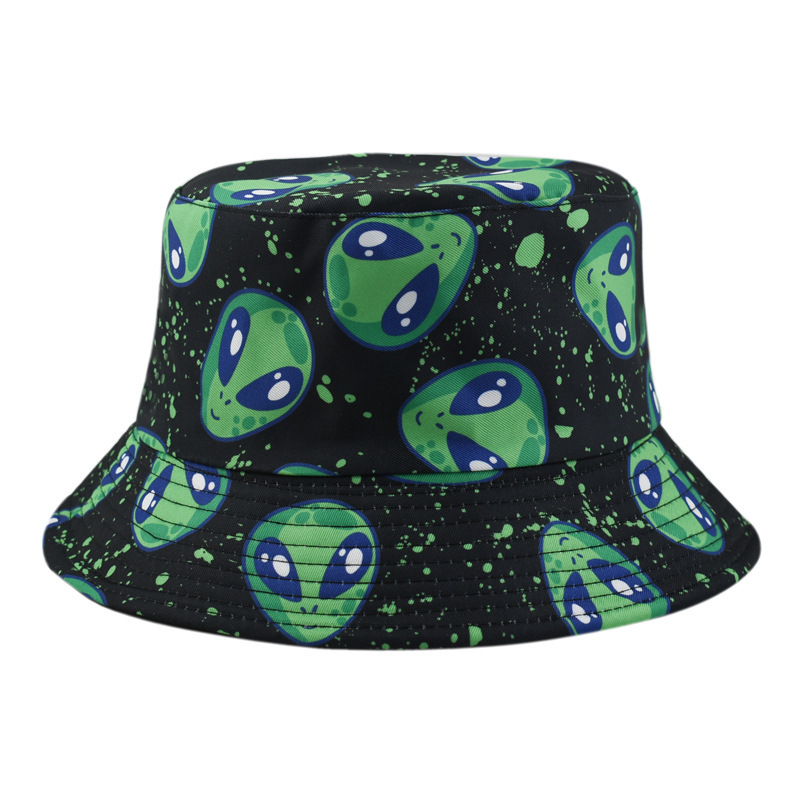
A UPF 50+ fabric rating becomes irrelevant if the physical coverage area of the hat is inadequate. The brim width and structural angle are critical dimensions required to shield the nose, cheeks, ears, and neck. Adult standards dictate a minimum brim width of 2.75 inches (7 cm). Furthermore, a downward sloping angle maximizes shade coverage far better than a flat brim, following the natural contours of the face and neck to block angled sunlight during early morning or late afternoon hours. A brim that sits entirely perpendicular to the crown will fail to protect the lower neck and jawline.
Brim stiffness directly impacts wind performance and continuous protection. A floppy brim that folds back in a moderate breeze exposes the face, rendering the UPF rating physically ineffective. Multi-row stitching, EVA foam inserts, or rigid interlining are vital structural components. These elements ensure the brim maintains its protective angle regardless of environmental conditions. When testing a prototype, physically bend the brim and observe its memory; it should snap back to its downward slope immediately.
Crown ventilation presents a complex challenge: balancing heat dissipation with UV blocking. Side mesh panels offer maximum airflow, which is essential for comfort in high-heat environments. However, standard mesh allows nearly 100% UV transmission directly to the scalp. To mitigate this, designs must incorporate overlapping fabric flaps (a shingle design) or utilize specialized, tightly knit UPF-rated mesh that maintains airflow while scattering UV rays. Leaving the scalp exposed through cheap mesh negates the purpose of a sun hat entirely.
Fabric tension is a frequently overlooked variable. Stretching a knitted or woven fabric by just 10% can significantly widen the inter-yarn spaces. This tensile stress reduces the cover factor, potentially dropping a UPF 50 rating down to a dangerous UPF 15 or lower. Proper sizing and avoiding overly tight fits are essential to maintaining the integrity of the protective weave. Elastic sweatbands should secure the hat without placing outward stress on the crown fabric.
The chemistry of dye, pigment, and color saturation fundamentally alters how a fabric interacts with ultraviolet light. Deep, highly saturated colors such as navy, dark green, and black absorb significantly more UV energy than light colors like white, cream, or pastel shades. When selecting the baseline fabric for a Custom Printed Bucket Hat, the underlying color directly influences the final protective rating. Darker dyes act as an additional layer of UV absorption, enhancing the fabric's natural cover factor. If you must use a white or pastel base, the weave density and inherent yarn additives must be exceptionally high to compensate.
Decoration methods impact localized UPF integrity in drastically different ways. Dye sublimation is highly recommended for performance headwear. This process uses heat to bond gaseous dyes directly into the polyester fibers. It colors the material without altering the weave density, adding weight, or puncturing the fabric, thereby preserving the original UPF rating perfectly. Screen printing with plastisol inks creates an impermeable barrier that blocks 100% of UV rays where applied. However, large printed areas can cause localized heat-trapping and reduce fabric elasticity, which stresses the surrounding unprinted fibers and may lead to micro-tears over time.
Embroidery introduces a severe puncture risk. A dense corporate logo or custom design requires thousands of needle penetrations. Each needle strike physically tears the weave, creating microscopic pathways for UV rays to bypass the fabric entirely. This compromises the protective barrier directly over the scalp or forehead. For high-performance branding, heat-pressed patches or sublimated panels are vastly superior alternatives to heavy embroidery. If embroidery is absolutely necessary, it must be backed with a densely woven, UPF-rated patch on the interior to seal the punctures.
Regulatory compliance is paramount for custom production runs. Bulk purchasers and corporate merchandisers must demand post-customization laboratory test reports. Third-party embroidery, aggressive chemical dye processes, or improper heat application can void the original blank manufacturer's UPF certification. Verifying the finished product ensures that the end-user receives the exact level of protection advertised.
| Decoration Method | Impact on Fabric Structure | Effect on UPF Rating | Recommendation for Sun Hats |
|---|---|---|---|
| Dye Sublimation | None. Dyes bond at the molecular level. | Maintains original UPF rating perfectly. | Highly Recommended. Best for all-over prints. |
| Screen Printing (Plastisol) | Adds a rigid surface layer. Reduces elasticity. | Blocks UV locally, but can stress surrounding fibers. | Acceptable for small logos. Avoid large coverage areas. |
| Direct Embroidery | Punctures weave thousands of times. Tears yarns. | Severely degrades UPF in the embroidered area. | Not Recommended unless backed by an internal patch. |
| Heat-Pressed Patches | Adheres to surface without puncturing. | Maintains or increases local UPF. | Recommended for structured logos and branding. |
Fabric protection is not static; it degrades through environmental exposure and mechanical wear. Regular laundry cycles subject the fabric to intense friction, which can break down topical UV-absorbent finishes and loosen the weave structure. Additionally, exposure to harsh chemicals like chlorine in pool settings or salt-water in marine environments accelerates the degradation of chemical treatments. Over time, a hat relying solely on topical finishes will see its UPF rating plummet, highlighting the importance of inherent fiber protection. A hat that tests at UPF 50+ out of the box might drop to UPF 20 after a single summer of heavy use and washing if it relies on cheap bath treatments.
The wet-dry discrepancy is a critical factor in real-world performance. When natural fibers like cotton become wet, water fills the interstitial gaps between the yarns. Because water has a lower refractive index than the textile fibers, it reduces the fabric's ability to scatter light. This optical shift allows significantly more UV radiation to pass directly through to the skin, potentially reducing the UPF rating of a wet cotton hat by up to 50%. A cotton canvas hat that provides adequate protection on a dry hike becomes a liability the moment it gets soaked in a rainstorm or dropped in a river.
Engineered synthetics behave entirely differently under wet conditions. High-performance polyester and nylon blends are often designed with hydrophobic properties or rely on inherent titanium dioxide integration. These materials maintain their structural shape, cover factor, and light-scattering properties even when completely saturated. For water sports, fishing, or heavy perspiration environments, synthetic constructions are mandatory to ensure consistent UV protection regardless of moisture levels.
Inspect interior garment labels for AS/NZS 4399, AATCC 183, or UV Standard 801 certification to verify baseline fabric performance.
Specify polyester or nylon constructions with inherent titanium dioxide fiber integration rather than topical chemical washes for permanent, non-degrading protection.
Mandate a minimum 2.75-inch brim reinforced with multi-row stitching and EVA foam to ensure the hat maintains its protective downward angle in high winds.
Require dye sublimation or heat-pressed patches for branding to prevent the microscopic weave punctures associated with heavy direct embroidery.
Request certified laboratory testing data on fully decorated, post-production samples to confirm the final product meets the advertised UPF 50+ standard.
A: UPF (Ultraviolet Protection Factor) measures the amount of UVA and UVB radiation that penetrates fabrics to reach the skin. SPF (Sun Protection Factor) measures the time it takes for skin treated with topical sunscreen to burn compared to unprotected skin. UPF applies strictly to textiles and apparel.
A: It depends on the method. Dye sublimation bonds color directly into synthetic fibers without altering the weave, preserving the UPF rating. However, aggressive chemical dyes or heavy screen printing can stress the fabric, potentially altering its protective qualities. Post-production testing is recommended.
A: Embroidery requires thousands of needle punctures, which physically tear the fabric's weave. This creates microscopic holes that allow UV rays to pass directly through to the skin, lowering the UPF rating in that specific area. Sublimation preserves the weave entirely.
A: Yes, generally. Dark, highly saturated colors like black or navy absorb significantly more UV energy than light colors. The darker dyes act as an additional barrier, enhancing the fabric's natural ability to prevent UV rays from reaching the skin.
A: If the hat relies on topical chemical UV absorbers, repeated washing and mechanical abrasion will eventually degrade the finish, lowering the UPF rating. Hats made from synthetic fibers with inherent UV-blocking nanoparticles (like titanium dioxide) offer permanent protection that will not wash out.
A: For natural fibers like cotton, yes. Water fills the gaps between fibers, reducing light scattering and allowing up to 50% more UV transmission. Engineered synthetics like polyester maintain their structural density and UPF ratings even when completely wet.


