

Views: 0 Author: Site Editor Publish Time: 2026-06-21 Origin: Site


Purchasing headwear based purely on aesthetics often leads to immediate disappointment. You buy a beautiful piece for your summer vacation. After just one trip, it cracks, warps, or suffers severe sun damage. This happens because many buyers cannot differentiate between fast-fashion "paper" blends and authentic woven garments. Synthetic knock-offs look appealing on a store shelf. However, they quickly deteriorate under real-world elements.
Authentic pieces rely on traditional craftsmanship and resilient natural fibers. Our objective is to provide a definitive framework for evaluating your next purchase. We will help you analyze material durability, inspect weave quality, and identify the ideal style for specific functional use cases. You will learn how to shortlist options and invest in the perfect accessory for your lifestyle, ensuring it lasts for years rather than days.
Material dictates lifespan: Genuine Toquilla or Palm outlasts synthetic Toyo or paper blends.
Shape aligns with function: A wide-brimmed beach straw hat maximizes UV protection, while a structured Boater suits formal, low-impact wear.
Weave density equals value: Tighter weaves (higher grades) offer better sun protection and flexibility but require higher upfront investment.
Maintenance is non-negotiable: Most natural straws will warp or crack if exposed to heavy rain or improper packing.
Finding a reliable Straw Hat starts with understanding the raw materials. The foundation of any quality piece lies in what artisans weave together. You cannot assess longevity without first identifying the fiber source.
Many consumers wrongly assume these come from Panama. Artisans actually weave genuine Toquilla in Ecuador. They harvest fibers from the Carludovica palmata plant. We consider this material the gold standard for premium investments. It is exceptionally lightweight, highly flexible, and incredibly breathable. If you want maximum comfort in dry heat, Toquilla remains unmatched. However, it requires a higher upfront budget.
Harvesters source Raffia from specialized palm leaves. These leaves naturally contain a high concentration of resin. This resin acts as a built-in protective layer, making the material highly flexible. Unlike stiffer fibers, Raffia is remarkably resistant to cracking or splintering. We highly recommend this material for frequent travelers. You can gently roll or pack many Raffia styles without destroying their structural integrity.
Palm leaf fibers create heavy-duty, rugged headwear. This material offers exceptional durability. It possesses a unique capability to withstand moisture. In fact, many wearers purposely soak their palm leaf hats to reshape the brim. This ruggedness makes it the standard choice for western wear and intense agricultural work. It handles sweat and minor rain showers better than almost any other natural fiber.
Retailers often market Toyo as genuine straw. In reality, it consists of cellophane-coated paper primarily sourced from Japan. Manufacturers twist and braid this paper to mimic natural woven fibers. Toyo offers a much lower price point and often comes in vibrant colors. The major caveat lies in its fragility. It is highly vulnerable to water damage. A heavy rainstorm will turn a Toyo piece into soggy pulp, leading to rapid structural failure.
| Material | Primary Origin | Flexibility | Moisture Tolerance | Best Use Case |
|---|---|---|---|---|
| Toquilla | Ecuador | High | Low | Premium formal wear, dry heat |
| Raffia | Madagascar / Africa | Very High | Moderate | Travel, casual resort wear |
| Palm Leaf | Mexico / Guatemala | Moderate | High | Workwear, outdoor labor |
| Toyo (Paper) | Japan (Design) | Low | None | Budget fashion, single-season use |
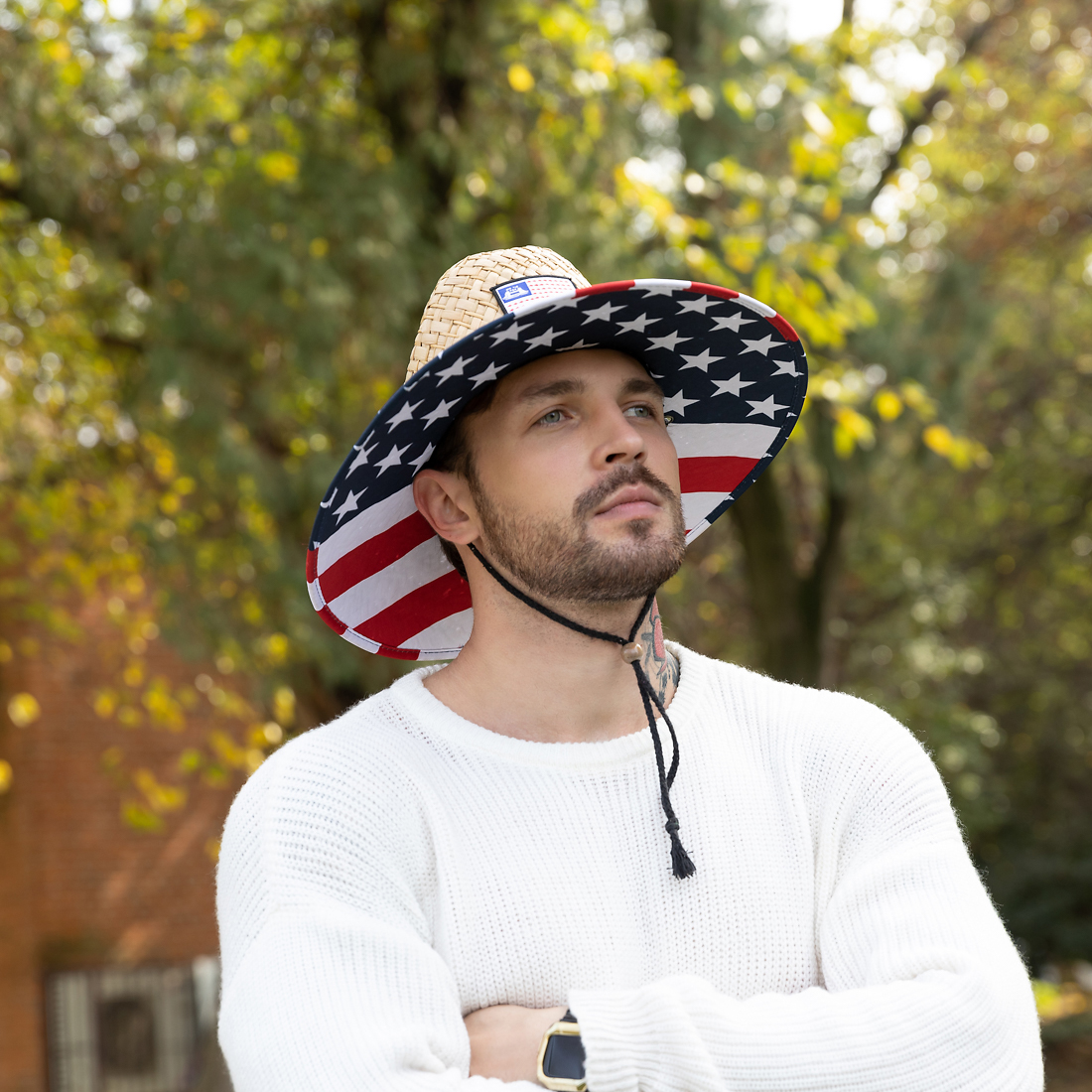
Shape fundamentally dictates function. You must match the physical silhouette to your intended environment. Wearing the wrong style often leads to discomfort or inadequate sun protection.
The Panama silhouette serves smart-casual to formal summer events. A proper Panama must feature a distinctively pinched crown and a proportional brim. The Fedora shape remains the most popular variant. Another classic option is the Optimo, characterized by a central ridge running along the crown. These shapes excel at breathability. We recommend them for outdoor weddings, garden parties, or city walking tours.
A dedicated Beach Straw Hat caters exclusively to extended sun exposure. You will commonly see these in coastal environments or during intensive gardening. Success criteria for this style involve massive coverage. It requires a wide, downward-sloping brim measuring at least four inches. Many high-quality versions include an under-brim fabric liner to maximize UV blockage by stopping light reflection from the sand. Chin straps are necessary features. Without a secure toggle strap, coastal winds will easily snatch the wide brim off your head.
The Boater represents classic vintage styling. You will recognize it by its stiff, flat crown and perfectly flat brim. Wearers primarily use it for formal daytime events or historical reenactments. The structural rigidity presents a significant risk. Because it lacks flexibility, it proves difficult to fit perfectly. Unless you have a fairly standard oval head shape, a stiff Boater will cause painful pressure points on your forehead.
Western profiles dominate agricultural work and high-heat outdoor labor. A high crown defines this style. The elevated space above your head allows heat to dissipate efficiently, keeping you cool. Artisans typically construct these from highly durable Palm leaf or Bangora weave. This robust construction resists sweat, dirt, and rough handling. You can confidently toss a western piece into the back of a truck without destroying it.
Once you select a material and style, you must evaluate the craftsmanship. The weave determines both the price tag and the level of sun protection. A tighter weave requires drastically more labor.
Weavers employ two primary techniques when creating premium headwear. Your choice depends on whether you prioritize ventilation or structure.
Brisa Weave: This technique creates a distinctive diamond pattern. The Brisa method uses less material, making the final product extremely light. It offers superior breathability. It stands as the best option for extremely humid climates.
Cuenca Weave: This approach produces a herringbone pattern. It requires slightly more raw material. The resulting structure feels slightly heavier but significantly more robust. Cuenca weaves handle daily wear-and-tear better than Brisa alternatives.
Retailers constantly boast about hat "grades." We must establish a transparent assumption here. There is no universal, standardized grading system across the industry. A "Grade 20" from one boutique brand might easily equal a "Grade 8" from a different manufacturer. Relying purely on marketed grade numbers often misleads buyers.
Instead, you should rely on a physical evaluation framework. You judge quality by counting WPI (Weaves Per Inch). Alternatively, use the light test.
Hold the hat up: Position the crown between your eyes and a strong light source.
Analyze the gaps: Less light passing through indicates a tighter, denser weave.
Assess the value: A denser weave blocks more UV rays. It also translates to a highly labor-intensive creation process, justifying a premium price tag.
Proper fit guarantees comfort. Rigid natural fibers lack the inherent elasticity of wool or cotton. You cannot simply squeeze into an ill-fitting piece hoping it stretches over time.
You must rely on precise centimeter measurements. Discard generic Small/Medium/Large sizing charts. Use a soft tailor’s measuring tape. Wrap it around your head, resting it across your mid-forehead and just above your ears. This measurement represents where the sweatband will naturally sit. Buy exactly to your centimeter measurement. If you fall between sizes, always size up and insert a sizing tape strip behind the sweatband.
Your facial structure should dictate your final silhouette choice. The right proportions create visual balance.
Round Faces: Opt for high crowns and asymmetrical brims. A classic Fedora breaks up the roundness of your facial features. It elongates your profile.
Long/Oval Faces: Select moderate crowns and wider brims. A wide sun hat balances vertical facial length by adding horizontal volume. Avoid towering crowns, as they exaggerate a long face.
The internal sweatband dramatically impacts your wearing experience. Leather sweatbands represent traditional luxury. Over time, heat and sweat cause the leather to shrink slightly and conform perfectly to your unique skull shape. However, leather retains significant heat. If you plan for active outdoor use, look for fabric or moisture-wicking synthetic bands. They dry much faster and prevent sweat from staining the exterior fibers.
A premium purchase requires strict maintenance protocols. Ignorance destroys expensive headwear faster than normal wear and tear. You must understand how environmental factors affect natural fibers.
Natural plant fibers react poorly to heavy water exposure. We need to address the persistent myth of the "waterproof" straw. No natural woven fiber is entirely waterproof. If soaked in a heavy downpour, Toquilla and paper blends will swell. As they dry, they warp permanently. Mildew can also develop inside the weave. Only thick Palm leaf tolerates moderate moisture successfully. Always check the weather before wearing your most expensive piece outdoors.
You must change how you put the hat on. Pinching the front of the crown represents the most common handling mistake. This habit looks stylish in movies but proves disastrous in reality. Pinching concentrates intense pressure onto a tiny cluster of dry fibers. This leads to immediate cracking in stiff materials. Once the crown splits, you cannot repair it. You must always handle the item by gently grasping the brim with both hands.
Packing for vacation requires strategic planning. You cannot crush standard woven structures into a suitcase. Only specific weaves tolerate compression. Loosely woven Raffia items or designated "packable" Panamas can be gently rolled. For anything structured, you must protect the crown. Either wear it on the airplane or purchase a dedicated protective hat box to maintain its structural integrity during transit.
Making a confident purchase comes down to aligning materials with your reality. Your final decision matrix should match the fiber to the climate. Choose Raffia for stress-free travel. Rely on thick Palm leaf for high-humidity environments or strenuous outdoor work. Invest in genuine Toquilla for formal occasions in dry heat.
Take actionable next steps before heading to the checkout. Measure your head circumference accurately in centimeters. Evaluate the weave density using the light test. Prioritize structural integrity and proper sweatbands over designer brand names. By following these guidelines, you will secure a comfortable, protective accessory tailored for years of faithful service.
A: It depends on the material and the volume of water. A light mist usually causes no harm. However, heavy rain will ruin most natural fibers. Water causes genuine Toquilla to swell, warp, and eventually crack upon drying. Synthetic paper variants dissolve quickly. Conversely, rugged Palm leaf handles moderate moisture well and can even be wet-shaped without sustaining damage.
A: The difference lies in its specific origin and material. A genuine Panama originates strictly in Ecuador, despite the confusing historical name. Artisans weave it exclusively using fibers from the Carludovica palmata plant. This unique plant material provides unmatched flexibility, lightness, and breathability compared to standard, mass-produced alternatives.
A: Avoid crushing the brim or flattening the crown. Use the "stuffing the crown" method. Place the item upside down in your suitcase. Pack soft items like socks and t-shirts tightly inside the crown to support its shape. Then, pack clothing flat around the brim. Alternatively, buy explicitly rollable raffia styles designed for compression.
A: Lifespan depends entirely on usage and handling. You should set realistic expectations. For daily, hard-wearing use in the sun and sweat, expect one to two seasons before the fibers become brittle. However, a well-maintained, high-grade piece worn solely for formal occasions can easily last for decades if stored properly.


