

Views: 0 Author: Site Editor Publish Time: 2025-11-18 Origin: Site


In the world of casual fashion and cold-weather comfort, few accessories are as timeless and versatile as the humble jersey beanie. Lightweight yet warm, stretchy yet form-fitting, and effortlessly stylish, jersey beanies have become a wardrobe staple across all seasons. What truly sets them apart is the unique jersey knit fabric — a textile known for its exceptional softness, breathability, and adaptability.
But what exactly makes jersey knit fabric so perfect for beanies? To understand that, we need to explore the science behind its softness, the structure of its knit, and the reasons why it outperforms other materials when it comes to comfort, durability, and style.
Jersey knit fabric originated in the Channel Island of Jersey and was initially made of wool. Over time, it evolved into a versatile material made from cotton, polyester, rayon, or blends of natural and synthetic fibers.
What distinguishes jersey knit from woven fabrics is its looped construction. Unlike woven textiles that interlace threads in a crisscross pattern, jersey fabric is made through interconnected loops of yarn. This loop structure gives it its characteristic stretch, elasticity, and softness, making it ideal for garments that move with the body — like beanies.
Single Jersey Knit: This is the most common form, featuring loops on one side and flat stitches on the other. It is lightweight, flexible, and commonly used for everyday beanies.
Double Jersey Knit: This variety is thicker and more structured, offering added warmth and durability. It’s often preferred for premium or winter-ready beanies.
The ability to choose between these variations gives manufacturers a wide range of options to design beanies for different climates and fashion styles.
Softness in textiles isn’t just about how something feels — it’s a measurable quality influenced by fiber type, yarn construction, and fabric finish. Jersey knit fabric stands out because it combines three scientific factors that make it naturally soft and comfortable:
Many jersey beanies are made from cotton jersey, modal jersey, or poly-cotton blends.
Cotton fibers are naturally soft, breathable, and hypoallergenic.
Modal fibers, derived from beech trees, add silk-like smoothness and moisture absorption.
Polyester blends enhance durability and help the beanie maintain its shape.
This combination of natural and synthetic fibers creates a balanced fabric that is cozy yet resilient.
The loop-based structure of jersey knit traps air between its fibers, creating a gentle cushion that enhances comfort and thermal insulation. The flexibility of these loops allows the fabric to drape smoothly over the head without feeling tight or itchy — a key advantage over stiffer materials like acrylic or wool blends.
Advanced finishing processes such as enzyme washing, brushing, or peaching further enhance softness by removing loose fibers and polishing the fabric’s surface. The result is a smooth, skin-friendly texture that feels luxurious even during long wear.
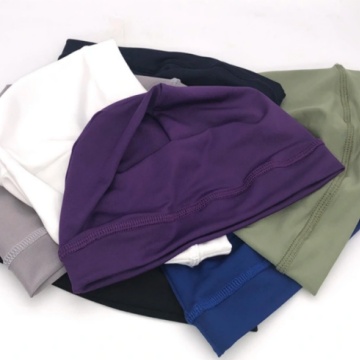
A high-quality beanie must deliver more than warmth — it needs to feel comfortable, maintain its shape, and adapt to different weather conditions. Jersey knit fabric stands out because it fulfills all these criteria, combining comfort, durability, and versatility in one soft and flexible material. Its unique knit structure and fiber composition make it one of the best options for crafting modern, all-season beanies that are as stylish as they are practical.
One of the defining features of jersey knit fabric is its natural four-way stretch. The interlocking loops of yarn allow the material to expand easily and return to its original shape without sagging. This elasticity ensures that a jersey beanie fits securely yet comfortably, accommodating different head sizes and hairstyles without feeling tight. Even after repeated use and washing, jersey knit retains its shape, offering long-lasting comfort and flexibility — something woven fabrics or rigid fibers often lack.
Another major reason jersey knit is ideal for beanies is its exceptional breathability. The porous structure of the fabric allows constant airflow, preventing heat buildup and excessive sweating. This natural ventilation keeps the scalp cool in warm conditions and cozy in colder weather. Cotton jersey, in particular, absorbs moisture efficiently, keeping the skin dry and comfortable throughout the day. This makes jersey beanies suitable not only for winter but also for transitional seasons like spring and autumn.
Despite being breathable, jersey knit also provides lightweight insulation. The small air pockets formed within the knit loops act as natural thermal barriers, trapping just enough body heat to maintain warmth without causing overheating. This balance of lightness and coziness makes jersey beanies perfect for outdoor activities such as hiking, cycling, or casual wear during travel — offering protection and comfort in varying climates.
Jersey knit’s soft, smooth texture is another reason it excels as a beanie material. Unlike some wool or synthetic fibers that can feel itchy or abrasive, jersey knit glides gently against the skin. It’s also hypoallergenic, reducing the risk of irritation or allergic reactions. For people with sensitive scalps, this gentle contact is a major advantage, ensuring the beanie can be worn for hours without discomfort.
Finally, maintenance simplicity makes jersey knit a practical choice for everyday wear. The fabric is wrinkle-resistant, easy to clean, and machine-washable. It retains its softness, stretch, and color even after multiple wash cycles, meaning a jersey beanie continues to look and feel new over time. Its durability also supports sustainable use — fewer replacements mean less waste and greater value.
The GSM (grams per square meter) of jersey fabric determines how heavy or light a beanie feels.
Lightweight jersey (120–160 GSM): Ideal for fashion beanies and mild-weather wear.
Medium-weight jersey (180–220 GSM): Provides a balance of breathability and insulation for all seasons.
Heavyweight jersey (250+ GSM): Best for cold-weather beanies requiring extra warmth.
Manufacturers often experiment with blends — such as cotton-spandex or modal-polyester — to achieve the right level of softness, stretch, and durability for specific uses.
As the fashion industry moves toward sustainability, jersey knit fabric stands out for its eco-friendly potential.
Organic cotton jersey eliminates harmful pesticides and reduces environmental impact.
Recycled polyester jersey repurposes plastic waste into soft, wearable fibers.
Bamboo jersey offers natural antibacterial properties and rapid biodegradability.
These sustainable alternatives make jersey beanies not only comfortable but also environmentally responsible — appealing to conscious consumers who care about both comfort and the planet.
Beyond comfort and functionality, jersey beanies offer exceptional styling versatility. Their minimalistic and flexible design complements everything from streetwear to athleisure to casual winter outfits.
Spring and Summer: Lightweight jersey beanies add style without overheating.
Autumn and Winter: Thicker double-knit or fleece-lined jerseys provide warmth and coziness.
Jersey beanies have a unisex design, making them suitable for men, women, and children alike. Their stretchable structure adapts easily to various head shapes, offering universal comfort.
For businesses, jersey knit’s smooth surface is perfect for screen printing, embroidery, or labeling, allowing brands to create personalized or promotional beanies that maintain both comfort and style.
Material Type | Softness | Breathability | Warmth | Stretch | Maintenance | Skin Sensitivity |
Jersey Knit | ★★★★★ | ★★★★★ | ★★★★☆ | ★★★★★ | Easy | Hypoallergenic |
Acrylic | ★★☆☆☆ | ★★☆☆☆ | ★★★★☆ | ★★★☆☆ | Easy | Sometimes itchy |
Wool | ★★★★☆ | ★★★☆☆ | ★★★★★ | ★★★☆☆ | Moderate | May irritate skin |
Fleece | ★★★★☆ | ★★★☆☆ | ★★★★★ | ★★☆☆☆ | Easy | Warm but bulky |
Cashmere | ★★★★★ | ★★★★☆ | ★★★★★ | ★★★☆☆ | Delicate | Luxurious feel |
From this comparison, it’s clear that jersey knit offers the best overall balance — combining softness, flexibility, and breathability without the drawbacks of heavier or more delicate fabrics.
The secret behind the comfort of a jersey beanie lies in the science of its construction. From its looped knit structure to its fiber composition and breathability, every aspect of jersey fabric is designed to provide effortless softness and durability. It’s a material that adapts to the wearer — gentle on the skin, resilient against wear, and stylish in any setting.
If you’re looking to source or customize high-quality jersey beanies, it’s worth exploring the expertise of Nanjing Maxship Textile Co., Ltd. With professional experience in textile innovation and manufacturing, they offer premium jersey fabrics and knitted accessories designed for both performance and comfort. To learn more about their jersey knit solutions or start your custom beanie project, visit Nanjing Maxship Textile Co., Ltd. today.


