

Views: 0 Author: Site Editor Publish Time: 2026-09-30 Origin: Site


Selecting the appropriate fabric for your inventory goes far beyond simple aesthetic preference. From an operational standpoint, it is a critical procurement decision that directly impacts service delivery and overarching client satisfaction. Different beauty treatments demand highly specific functionalities from textiles. By meticulously aligning your fabric choice with your primary service offerings, spa managers can optimize both client comfort and practitioner efficiency.
Traditional esthetic services involve intense moisture environments. Estheticians regularly utilize continuous steam application, heavy cream cleansers, liquid exfoliants, and thick mud masks. For these wet procedures, the terry cloth spa headband remains the undisputed industry standard. The structural engineering of this material features thousands of uncut cotton loops. These loops act as a highly efficient, high-capacity sponge.
Consider the practical scenario of a classic European facial. An esthetician uses a hot towel to remove a botanical mask. Alternatively, a steamer directs warm mist at the client's face for pore extraction. In these moments, the plush 400-plus GSM cotton barrier prevents moisture from seeping into the hairline. Furthermore, traditional treatments aim for deep relaxation. The dense pile provides gentle, comforting pressure around the head, actively helping to retain the client's body heat during extended ninety-minute sessions.
In stark contrast, professional makeup application requires entirely different textile properties. Artists must keep the client's hair securely away from the face. However, they absolutely cannot flatten voluminous blowouts, cause friction frizz, or induce scalp perspiration. Under these dry, styling-focused conditions, a waffle weave makeup headband proves to be the superior choice.
Waffle fabric is inherently lightweight. Its distinctive grid-like honeycomb structure ensures maximum breathability. Clients often sit under warm, high-intensity studio lighting for extended bridal or editorial makeup sessions. A heavy fleece or terry band will inevitably cause them to sweat along the hairline. Such moisture buildup easily ruins a flawless foundation application. The breathable nature of the waffle weave actively prevents this heat retention. By exerting minimal physical pressure on the hair, it drastically reduces the risk of leaving an unsightly crease.
Modern med-spas operate in clinical, predominantly dry environments. Rapid-turnaround services like Botox injections, dermal fillers, or laser hair removal rarely involve heavy liquids. Therefore, extreme absorbency becomes an unnecessary feature.
For these fast-paced clinics, a textured facial headband offers distinct operational advantages. The clean, minimalist appearance aligns perfectly with the sterile, upscale aesthetic that medical spas strive to project. Moreover, these establishments see high daily client volumes, necessitating rapid linen laundering. Poly-blend waffle fabric dries significantly faster in commercial dryers than thick cotton. This drastically reduces facility energy costs and ensures a constant, reliable supply of clean inventory.
Recent B2B procurement data highlights a noticeable divergence in how modern beauty brands source their operational textiles. Industry analysis reveals a growing emphasis on facility sustainability and laundering efficiency. While traditional wellness centers maintain steady bulk orders for high-pile cotton, the rapid expansion of the medical aesthetics sector has triggered a parallel surge in waffle-weave demand.
Clinic directors are increasingly prioritizing textiles that withstand harsh industrial laundering while minimizing commercial dryer time. This shift reflects a broader industry trend where operational cost-reduction and energy efficiency are evaluated just as critically as the initial wholesale purchase price. Buyers now demand fabrics that look premium in the treatment room but perform like industrial workhorses in the laundry room.
To streamline your procurement strategy, facility managers should review this technical breakdown of both primary fabric types before committing to a bulk order.
| Technical Specification | Terry Cloth | Waffle Weave |
|---|---|---|
| Material Structure | High-density uncut cotton loops | Grid-like honeycomb texture |
| Moisture Absorbency | Maximum capacity | Low to moderate capacity |
| Breathability | Low heat retention | High optimal airflow |
| Commercial Drying Time | Extended requires high heat | Rapid energy efficient |
| Best Service Application | Facials, chemical peels, mud masks | Injectables, makeup, lash extensions |
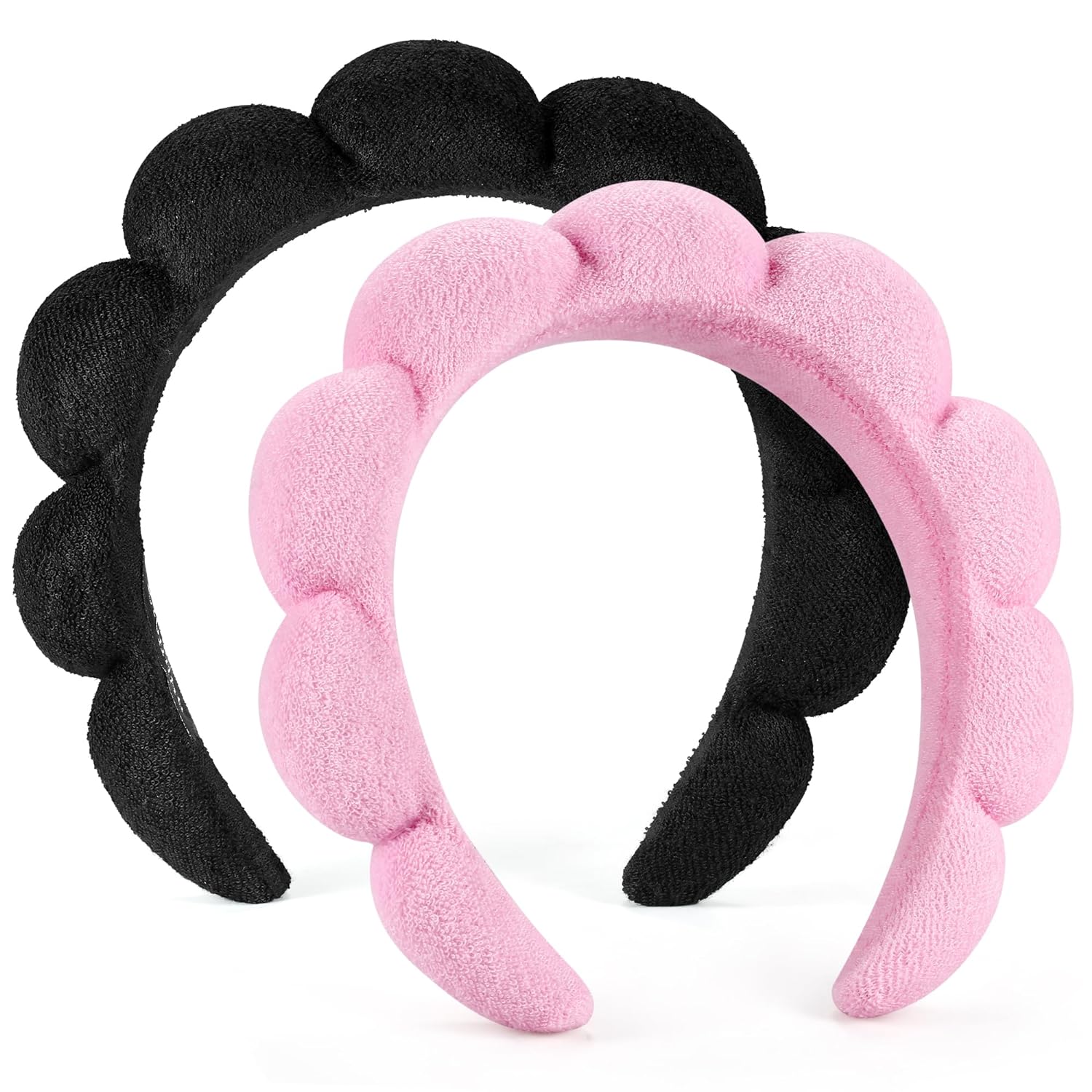
Corporate branding must extend far beyond exterior signage and digital marketing campaigns. Every physical touchpoint inside the treatment room presents a valuable opportunity to reinforce your brand identity. Investing in a custom salon headband transforms a basic utility item into a highly professional marketing asset. When clients step into a cohesive environment where even the linens bear the company insignia, their perception of the service value inherently increases.
Long-term durability remains the primary concern for procurement teams customizing commercial textiles. Beauty accessories undergo rigorous laundering processes daily. They face high heat, heavy-duty industrial detergents, and occasional sanitizing bleach. Consequently, embroidery stands as the definitive gold standard for branding both terry and waffle fabrics.
The embroidery process stitches the logo directly into the fabric using colorfast polyester threads. This technique offers a premium, three-dimensional look that immediately conveys luxury. More importantly, it withstands years of commercial washing without fading, peeling, or cracking. Screen printing might appear more cost-effective upfront. However, textile engineers rarely recommend it for high-pile fabrics. The ink merely sits on top of the loops, resulting in a distorted image. Over time, printed logos degrade rapidly when exposed to harsh salon chemicals.
The closure mechanism affects both client comfort and overall product longevity. B2B buyers must evaluate two primary options based strictly on their daily operations.
Velcro closures represent the industry standard. A standard 8-centimeter wide hook-and-loop strip allows the piece to be fully adjustable. This ensures a secure, customized fit for every head size, preventing slipping during movement-heavy treatments. From a facility management perspective, Velcro requires meticulous laundering protocols. If washed without the ends securely fastened together, the abrasive hooks easily snag delicate linens, causing premature wear to the entire laundry load.
Alternatively, a continuous loop design featuring a built-in elastic band offers frictionless ease of use. This completely eliminates the risk of Velcro snagging in the wash. Nevertheless, elastic bands lack universal adjustability. Constant exposure to commercial dryer heat eventually degrades the internal rubber, causing the band to stretch out and lose its secure grip.
Selecting textile colors requires balancing visual identity with practical maintenance realities. White and neutral tones project an immediate image of clinical cleanliness and strict hygiene. Staff can easily bleach them to maintain rigorous sanitation standards. However, they readily expose stains from dark makeup, tinted moisturizers, and chemical peels.
Conversely, darker tones like black, navy, or charcoal are highly practical. Salons dealing heavily with hair dyes, spray tans, or vibrant cosmetics rely on dark fabrics to conceal permanent stains. The inevitable trade-off is that dark fabrics fade over time with frequent washing. Maintaining visual vibrancy requires investing in specialized color-safe commercial detergents.
Transitioning from purchasing retail multi-packs to sourcing wholesale beauty accessories requires a strategic procurement approach. Executing bulk orders directly impacts your operational cash flow, physical inventory storage, and overarching quality control processes.
Buyers inevitably encounter Minimum Order Quantities when dealing directly with textile manufacturers. This metric represents the lowest number of units a supplier will produce in a single production batch. Customized items requiring specific embroidery naturally demand higher minimums to absorb machinery setup costs.
Savvy B2B buyers must accurately calculate their annual consumption rate. Securing higher volumes significantly drives down the cost-per-unit. Yet, facilities must ensure adequate physical storage space and sufficient capital to tie up in static inventory. Negotiating these quantities or identifying a supplier with flexible tiered pricing structures remains a critical skill for spa directors.
Never commit capital to a bulk order without physically inspecting a prototype. Digital specifications cannot convey the tactile experience or structural integrity of the fabric. When requesting a sample, rigorously evaluate key engineering criteria. First, check the fabric weight, measured in Grams per Square Meter. A higher measurement in cotton signifies a thicker, more absorbent product.
Next, examine the stitch integrity around the edge binding. Loose threads or uneven stitching strongly indicate poor manufacturing quality that will unravel after a few wash cycles. Test the closure strength by repeatedly pulling the Velcro or stretching the elastic to its limit. Finally, subject the sample to your actual commercial washing machines using standard facility detergents. Verify if it shrinks, bleeds color, or loses its initial softness.
Procurement success relies heavily on the reliability of your manufacturing partner. A reputable supplier provides critical consistency in sizing and exact color matching across different production batches. Look for manufacturers specializing specifically in professional-grade spa textiles. These specialized vendors intrinsically understand the rigorous laundering demands of the beauty sector. Establishing a collaborative relationship ensures your brand standards remain consistently high year after year.
Choosing the right textile accessories serves as a foundational step in elevating client satisfaction and streamlining salon operations. The dense, highly absorbent nature of terry cloth works flawlessly for traditional, moisture-heavy facials. Meanwhile, the breathable, quick-drying properties of waffle fabric perfectly suit modern med-spas and professional makeup stations. Facility managers must always match the material directly to their daily service offerings.
Before executing a bulk order, thoroughly evaluate your commercial laundry setup, closure preferences, and storage capacity. Upgrading your client experience with customizable, branded options solidifies your professional image. By partnering with a reliable manufacturer and prioritizing rigorous quality assurance, beauty brands secure durable inventory that delivers an excellent return on investment. We highly recommend visiting Maxship to explore tailored wholesale options that perfectly align with your specific clinical and branding requirements.
A standard replacement cycle typically ranges from three to six months. This timeline depends heavily on your daily client volume and facility laundry frequency. Management should immediately retire any pieces exhibiting permanent staining, frayed edge stitching, degraded elasticity, or Velcro that no longer holds securely. Utilizing worn-out accessories immediately diminishes the perceived luxury status of your brand.
Yes, staff can process them in the same laundry load, provided strict operational protocols are followed. The most critical step involves ensuring all Velcro closures are firmly fastened together before placing them in the drum. Exposed abrasive hooks will easily catch on the delicate honeycomb weave of waffle fabric or pull loops out of standard cotton, causing irreversible damage.
Industry standard dimensions for commercial use typically measure between 24 to 27 inches in total length and 3 to 4 inches in width. This specific width provides optimal coverage to hold back thick hair without encroaching on the forehead workspace. When equipped with a long strip of adjustable hook-and-loop fastening, these dimensions function as a versatile solution for adult clientele.
High-quality, wide elastic bands are generally gentler on the hair cuticle. They slide on with minimal mechanical friction. However, elastic cannot be manually adjusted for tension. Carefully applied Velcro closures offer the most customizable fit, allowing the esthetician to hold hair back securely without pulling it uncomfortably tight.
For professional spa environments, a fabric weight between 350 and 450 Grams per Square Meter offers the best balance of performance. This density provides excellent moisture absorbency for wet treatments while remaining durable enough to withstand daily industrial laundering without thinning out prematurely.
White textiles require aggressive pre-treatment protocols. Staff should immediately apply a commercial-grade enzymatic stain remover directly to foundation or mascara marks before the stain sets. Avoid using high heat in the dryer until the stain is completely gone, as heat bakes the oils into the cotton fibers. Periodic soaking in an oxygen-based bleach solution helps maintain bright, clinical whiteness without degrading the fabric as quickly as chlorine bleach.


