

Views: 0 Author: Site Editor Publish Time: 2026-09-23 Origin: Site


Picture a humid July afternoon on the 18th hole. You just hit a heavy approach shot. A thick clump of damp turf is now wedged deep into the grooves of your 7-iron. In this highly relatable scenario, a towel transcends simple bag decoration. It functions as a critical piece of performance gear. Players rely on it for wiping down a clubface after a heavy divot, cleaning a golf ball on a dew-covered putting green, or drying sweaty hands before a crucial drive. High-quality fabric is arguably the most frequently utilized tool in any golfer's arsenal.
Recent market analyses reveal a definitive shift in golf tournament merchandise. Over the past three years, procurement data shows a massive transition from legacy cotton to engineered synthetics among country clubs and corporate sponsors. Modern golfers demand functional gear that actively assists in equipment maintenance. This industry-wide pivot highlights a broader movement toward performance-driven promotional items. Consequently, event organizers and pro-shop managers must possess a strategic understanding of material science, dimensional specifications, and branding applications to select the perfect inventory.
This comprehensive technical guide walks B2B buyers through the precise process of selecting optimal fabrics, sizing configurations, and customization methods. The goal is simple. You need to create an effective, high-retention promotional item that players actually use.
Material Efficiency: Microfiber objectively outperforms traditional cotton regarding water absorption rates, drying speed, and mechanical debris removal.
Structural Design: A textured waffle weave is specifically engineered for extracting dirt from club grooves, whereas a flat surface serves as a superior canvas for high-resolution graphics.
Size Dictates Function: Selecting correct dimensions ranging from compact greens squares to oversized caddy drapes is critical for meeting specific end-user requirements.
Branding Application: Matching the customization method to the fabric type ensures the resulting promotional item maintains aesthetic integrity and tactile quality.
Hardware Integration: Product longevity relies heavily on the quality of attachment mechanisms, including industrial-grade grommets and rust-resistant carabiner clips.
For decades, tournament organizers defaulted to heavy cotton terry cloth for event giveaways. However, empirical data consistently points to synthetic blends as the superior engineering choice. Understanding the physical properties of this material explains why professional caddies and equipment managers universally adopt it.
The core advantage of microfiber lies in its synthetic composition. Manufacturers typically utilize an engineered blend of 80 percent polyester and 20 percent polyamide. During the production process, these fibers are aggressively split to create a microscopic, star-shaped structure. This structural modification drastically increases the overall surface area. Because of these split fibers, a high-performance sports towel utilizes capillary action to draw moisture deep into the spaces between the threads. It can successfully hold up to seven times its own weight in water.
Furthermore, synthetic fibers do not naturally retain water within their core. Moisture evaporates rapidly. This quick-drying capability is absolutely critical during a round of golf. It prevents the accumulation of mildew and bacteria, ensuring the fabric remains odor-free even when stuffed back into a dark, damp bag.
Maintaining pristine equipment is a mechanical necessity, not merely an aesthetic preference. Clubface grooves are meticulously engineered to displace moisture and debris. This maximizes friction to impart backspin on the golf ball. When soil or sand compacts these grooves, club performance degrades instantly.
Microfiber acts as a mechanical magnet for microscopic particles. The split fibers possess a positive electrostatic charge that naturally attracts negatively charged dirt and dust. Instead of simply pushing mud across the surface of a wedge, the microfibers physically scoop up and trap debris within their matrix. This action preserves the integrity of the golfer's equipment.
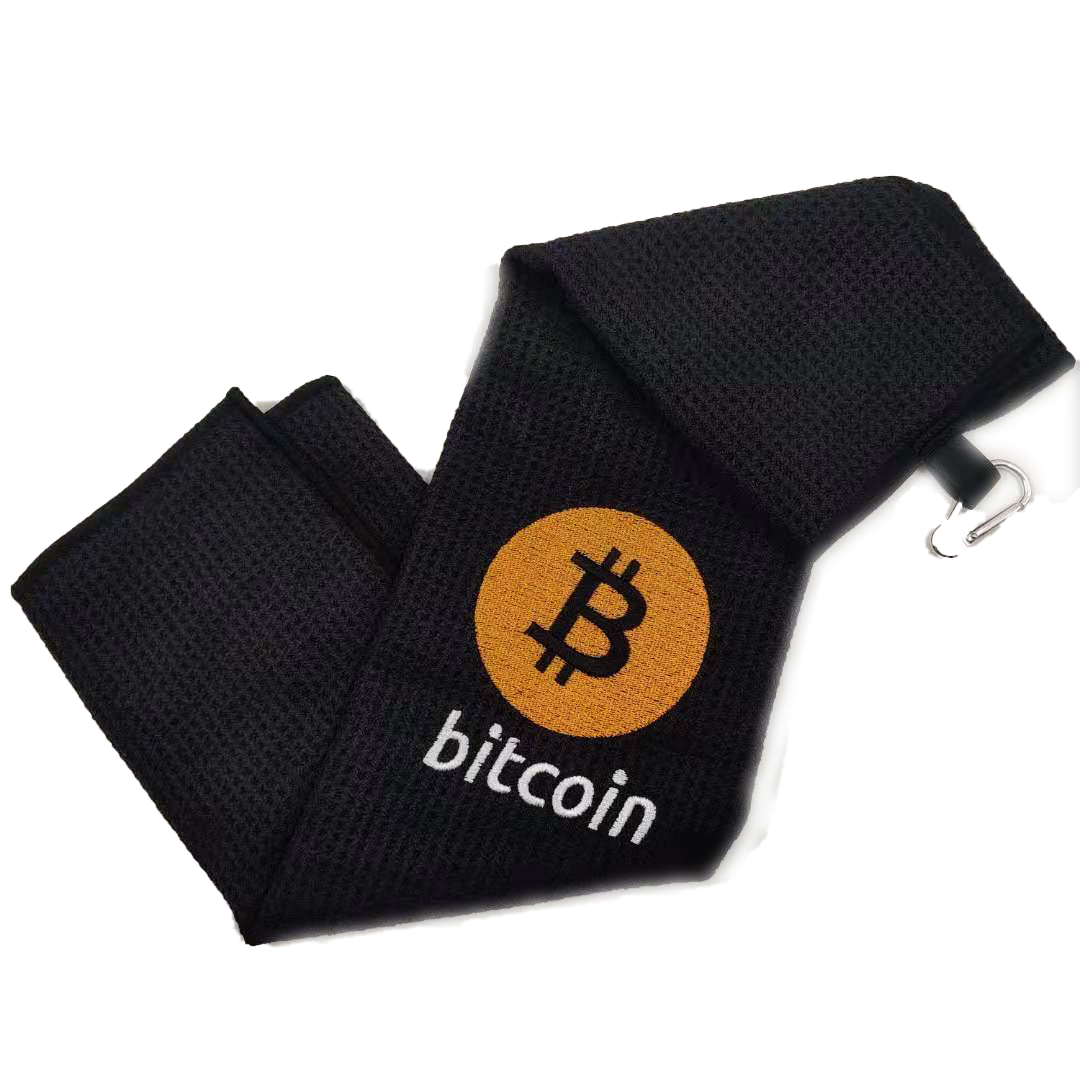
When sourcing inventory for a pro shop or outfitting a corporate retreat, buyers must specify the appropriate fabric texture. The manufacturing process weaves these synthetic threads into distinct patterns. Each pattern serves a unique functional and promotional purpose.
The most prevalent texture in premium golf settings is the waffle weave. A high-quality waffle golf towel features a distinct honeycomb-like grid pattern woven directly into the fabric. This specific geometric structure creates strategic high and low points across the surface.
Specifically, the recessed pockets are engineered to trap heavier mud, sand, and grass clippings. Meanwhile, the raised ridges provide the aggressive friction necessary to scrub stubborn, dried dirt out of narrow iron grooves. Industrial-grade variants typically feature a fabric weight of 400 GSM, delivering optimal mechanical abrasion without damaging delicate club finishes. In addition, the waffle structure naturally increases airflow through the fabric to further enhance rapid drying capabilities.
In contrast, flat microfiber features a tight, smooth weave that closely resembles the soft texture of synthetic suede. It lacks the deep-cleaning ridges of the waffle pattern. However, it excels in entirely different applications.
The primary functional use for smooth microfiber on the course is wiping delicate surfaces that require a scratch-free finish. This includes expensive polarized sunglasses, laser rangefinder lenses, and GPS touchscreens. From a marketing standpoint, this flat surface provides an uninterrupted, pristine canvas. Without heavy texture to distort imagery, flat microfiber allows for highly detailed, photographic-quality custom printing.
| Feature | Waffle Weave 400 GSM | Flat Microfiber 300 GSM |
|---|---|---|
| Primary Function | Heavy dirt removal, groove cleaning | Lens cleaning, screen wiping |
| Texture Profile | High-friction geometric grid | Smooth, suede-like finish |
| Best Branding Method | High-density Embroidery | Edge-to-edge Dye Sublimation |
| Moisture Capacity | Extremely High | Moderate |
Size specification is a critical factor in the procurement process. Ordering a product that is too small limits its utility. Conversely, an oversized drape may be cumbersome for amateur players using lightweight stand bags. B2B buyers should meticulously align dimensions with the intended end-user experience.
Dimensions measuring 16 by 24 inches are universally recognized as the gold standard for a microfiber promotional towel. Manufacturers frequently fold these into thirds and secure them at the top center with a metal grommet to optimize space.
This tri-fold design presents a neat, streamlined appearance when hanging from a bag. It prevents the fabric from dragging on wet turf or interfering with zippered pockets. Despite its compact footprint, unfolding it reveals ample surface area for a full day of cleaning. It strikes the optimal balance between functionality, material cost, and shipping weight.
Caddy sizes, often referred to as tour models, are significantly larger. They typically measure 22 by 44 inches and are frequently seen draped over the clubs of professional players on television broadcasts.
The primary engineering advantage here is the sheer volume of dry surface area available. A caddy can wet one end of the fabric for scrubbing dirty clubheads while keeping the opposite end completely dry for wiping the player's hands and rubber grips. For sponsors looking to provide a premium VIP-level gift, this heavy-duty size signals luxury and serious performance.
At the opposite end of the spectrum is the pocket square. Measuring roughly 12 by 12 inches, this compact cloth is designed specifically for use on the putting green. Golfers carry these small squares in their back pockets to clean the golf ball before a crucial putt. Because they require minimal raw material to produce, they represent a highly economical option for massive trade show distributions.
For event organizers, this item is not just a cleaning tool. It serves as a highly mobile branding asset. Selecting the appropriate customization technique is essential to ensure artwork remains legible, durable, and perfectly aligned with corporate identity.
Embroidery involves stitching the logo directly into the fabric using industrial multi-head sewing machines. This method offers a tactile, three-dimensional finish that instantly conveys high quality and permanence.
It is the preferred branding method for high-GSM waffle weaves. The dense stitching holds up exceptionally well against the textured background. However, procurement managers should note that embroidery is not ideal for microscopic text or complex color gradients. Heavy thread counts can also add slight stiffness to the embroidered area.
Dye-sublimation is a sophisticated digital printing process. It utilizes heat to transfer dye directly into the molecular structure of the polyester fibers. Unlike traditional ink that sits on top of a garment, sublimation infuses color into the material itself.
This technique is highly advantageous for creating a striking custom logo towel because it does not alter the soft texture or absorbency of the fabric. Sublimation allows for full-color, edge-to-edge printing. It is the absolute perfect choice for complex corporate artwork, multi-sponsor collages, or vibrant geometric patterns.
Silk screen printing involves pushing ink through a stenciled mesh screen onto the surface. This method is highly scalable. It represents the most cost-efficient solution for exceptionally large volume orders featuring simple one-color or two-color logos with bold lines.
While economical, buyers must consider the engineering trade-offs. The ink sits on the surface of the fibers. This can marginally reduce absorbency in the printed area and may result in a slightly stiffer feel compared to the seamless integration of sublimation.
Decision-makers must rigorously evaluate the Return on Investment when allocating marketing budgets for corporate retreats. Performance synthetics offer distinct advantages over alternative disposable giveaways.
Golf balls are easily lost in the woods. Divot tools remain hidden in pockets. In contrast, a branded cloth is prominently displayed on the exterior of the bag. Throughout an average four-hour round, your corporate logo is continuously visible to the player, their playing partners, and other attendees at the clubhouse. This significantly lowers the overall cost-per-impression.
The fundamental rule of promotional merchandise dictates that tangible utility drives retention. Cheap plastic items are often discarded immediately after the closing dinner. Premium golf accessories solve real mechanical problems for the player. Because the gear provides genuine value, the recipient is highly likely to attach it to their bag and use it for multiple seasons.
A piece of gear is only as reliable as its attachment mechanism. If the hardware fails, the item is lost on the fairway. The promotional value is instantly negated. B2B buyers must specify correct hardware during the ordering process to ensure product longevity.
Attachment point placement dictates how the fabric drapes. Placing a metal ring at the top corner allows the material to hang at its full length. This is standard for smaller greens squares. Conversely, placing the ring in the top center creates a streamlined, compact drape that prevents dragging on the ground.
Connection hardware varies significantly in tensile strength and aesthetic appeal. Aluminum carabiners are the premium choice. They are lightweight, highly durable, rust-resistant, and offer a secure spring-loaded closure. Heavy-duty plastic hooks provide a cost-effective alternative that will never scratch carbon fiber club shafts. Meanwhile, sewn-in twill loops offer a minimalist, hardware-free option.
Navigating the procurement process requires meticulous attention to detail. Following a structured checklist ensures the final product meets engineering expectations without logistical delays.
Determine Volume and Budget: Begin by establishing the total required volume. Manufacturers typically operate with Minimum Order Quantities for custom branding. Bulk orders often unlock tiered pricing, making higher-quality 400 GSM materials and premium carabiners much more accessible.
Select Fabric and Dimensions: Base this critical decision on the end-user. If the primary goal is serious equipment maintenance for a competitive tournament, specify a waffle weave in a standard 16 by 24 inch tri-fold. If the goal is vibrant photographic branding for a tech company retreat, opt for a smooth suede finish.
Prepare Vector Artwork: Design files must be submitted in vector formats like AI, EPS, or SVG to ensure crisp branding. Unlike standard JPEG files, vector graphics scale infinitely without losing resolution. This ensures the factory can accurately reproduce the logo.
Request Pre-Production Verification: Never proceed to mass production without verification. Always require a digital mockup to confirm logo placement, scale, and exact Pantone color matching. For large-scale investments, requesting a physical sample is a prudent step to verify fabric weight and hardware quality.
Choosing the correct equipment requires strategic planning and a clear understanding of material science. Procurement managers must carefully balance fabric texture with specific branding requirements. Waffle weaves offer unparalleled utility for scrubbing dirt out of irons. Smooth finishes paired with dye-sublimation create highly impactful custom designs. By prioritizing high-performance materials and durable hardware, these accessories provide excellent, long-lasting brand exposure. If you are ready to upgrade your corporate merchandise or pro-shop inventory, evaluate the technical specifications of your next order carefully to ensure maximum performance on the course.
Microfiber is empirically the best material for this application. Specifically, a synthetic waffle weave is highly preferred due to its superior dirt-trapping ability, high moisture absorbency rate, and rapid drying time compared to traditional heavy cotton.
The standard and most universally popular size is the 16 by 24 inch tri-fold design. This balances usable surface area with portability. However, professional caddy or tour models are significantly larger, typically measuring around 22 by 44 inches.
For optimal performance, a fabric weight of 400 GSM is considered the premium standard for waffle weaves. This density provides the necessary tensile strength and mechanical abrasion to clean iron grooves effectively without being overly heavy when wet.
With proper care, a high-quality synthetic blend can last upwards of 300 to 500 wash cycles. The longevity of the promotional value also depends heavily on the durability of the attachment hardware, which is why aluminum carabiners are highly recommended.
Yes, custom logos can easily be applied to textured waffle fabrics. High-density thread embroidery is highly recommended as it complements the premium tactile feel of the grid pattern. Specialized screen printing can also be effectively applied for simpler designs.
Wash the fabric in cold or warm water using a mild liquid detergent. You must strictly avoid liquid fabric softeners and bleach. These harsh chemicals will coat and clog the microscopic synthetic fibers, permanently ruining their absorbency. Tumble dry on a low heat setting.
Engineered synthetics are vastly superior because they can absorb up to seven times their weight in water while drying three times faster than standard cotton. Additionally, they are significantly lighter to carry on a stand bag and utilize an electrostatic charge to trap microscopic dirt much more effectively.


