

Views: 0 Author: Site Editor Publish Time: 2025-11-19 Origin: Site


Making a pom beanie is one of those cozy winter crafts that feels relaxing, creative, and surprisingly simple. You don’t need to know how to knit or crochet to create something adorable. Whether you’re updating a thrifted hat, helping kids with a school winter unit, or making matching beanies for holiday photos, this guide will walk you through everything from supplies to finishing touches.
Below you’ll find a clear, friendly, and beginner-approved method inspired by real artisan hat-making processes, plus tricks that make your DIY beanie look professionally crafted.
Before you start crafting, gather a few simple materials. Most of these items are affordable, easy to find, and often already sitting in drawers at home. You don’t need any advanced tools or special equipment—just everyday supplies that help you turn a plain beanie into something fun and winter-ready.
Plain beanie – Choose any material you like: acrylic for easy care, fleece for warmth, wool for a cozy look, or cotton for lighter wear. Thrift stores and clearance racks often have great options for just a few dollars.
Yarn for the pom pom – Solid colors, variegated yarn, or ombré tones all work well. Thicker yarn gives a fluffier pom; softer fibers like wool or acrylic make trimming easier.
Cardboard – Cut from an old cereal box or shipping box. You’ll use this to make the pom pom template.
Large sewing needle – A blunt needle works well with thick yarn, but a sharp one helps if your beanie fabric is dense or tightly knit.
Scissors – Use a sharp pair so the yarn cuts cleanly. Dull scissors make it harder to shape the pom evenly.
Optional: embroidery thread – Ideal for adding small designs like stars, initials, or simple patterns to personalize the beanie even more.
These basic supplies set you up for a smooth crafting experience—simple to gather, easy to use, and perfect for beginners or group projects.
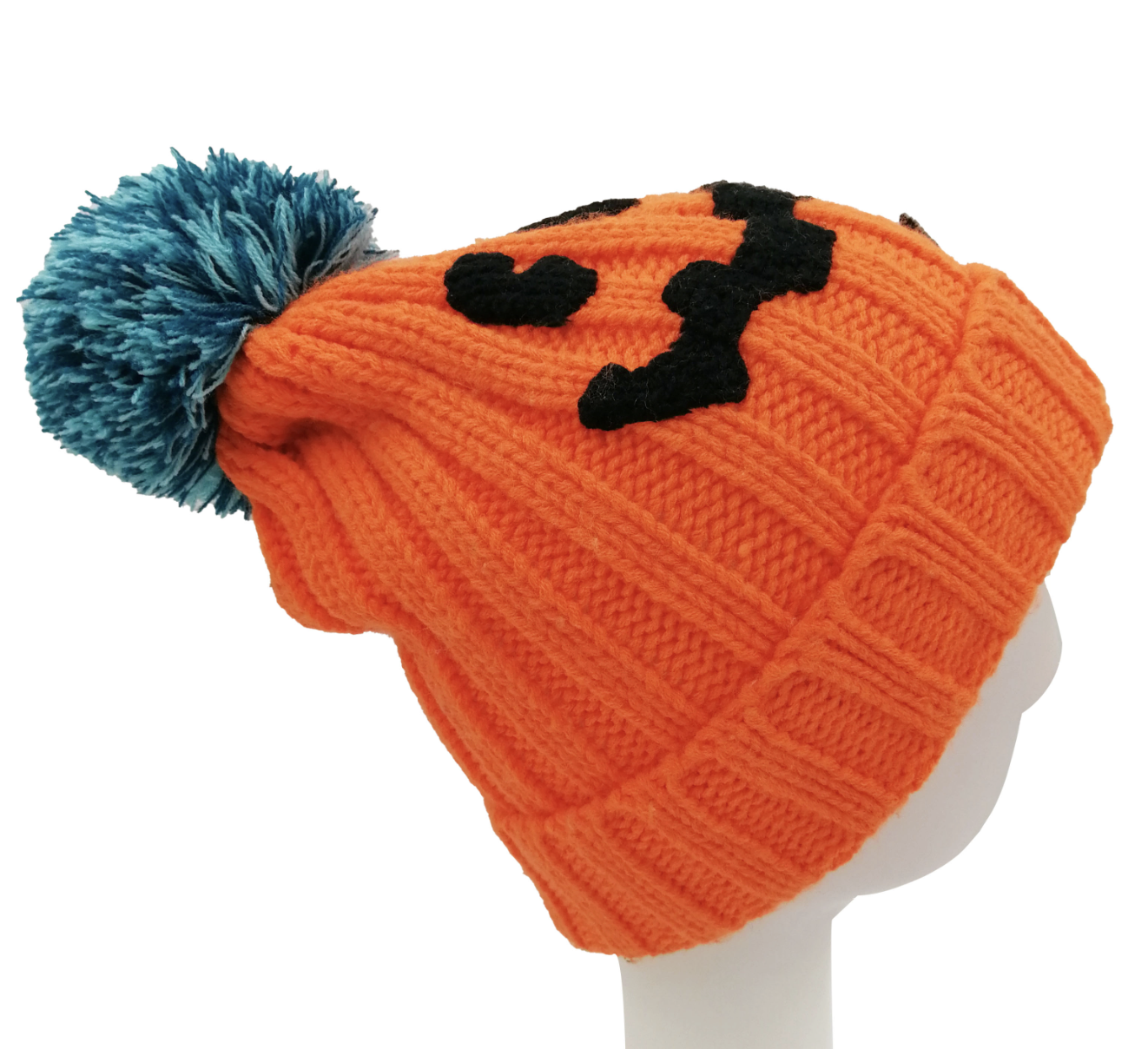
Creating a pom pom might seem tricky at first, but it’s actually a simple and satisfying process. Using cardboard rings, a method popular before plastic pom makers existed, gives you a fluffy, durable pom that stays attached to your beanie and looks professional. You can experiment with colors, textures, and sizes to make your beanie truly unique.
Start by cutting two cardboard rings shaped like donuts.
Outer diameter: 3–4 inches, depending on how large you want your pom.
Inner hole: about 1 inch, just enough to secure your yarn in the center.
Stack the rings so the holes line up perfectly. They keep the yarn wrapped evenly, ensuring the pom stays full and doesn’t fall apart. Two rings also give you a guide for shaping a perfect circle.
Take your yarn and thread it repeatedly around the rings.
Continue wrapping until the inner hole is nearly covered by yarn.
The more wraps, the denser and fluffier your pom will be.
Feel free to mix colors, create stripes, or use ombré yarn for a gradient effect. Teenagers and kids love experimenting with color blends. Try combining bright and neutral tones for a visually striking pom.
Carefully pry the two cardboard rings slightly apart. Slide sharp scissors between the rings and cut all the way around the edge until the yarn separates. This step requires patience. Hold the rings firmly to prevent slips. Cut slowly and evenly to avoid loose strands.
Take a separate piece of yarn and thread it between the two cardboard rings. Pull it very tight and tie a double knot to secure all the strands in the center. This knot is essential—it keeps the pom intact and prevents it from unraveling. Remove the cardboard rings and gently fluff the yarn with your fingers. Your pom should now be a soft, round ball of color.
Use sharp craft scissors to trim any uneven or extra-long strands. Take your time to shape the pom perfectly—it should look symmetrical and plush. Professional crafters often spend extra minutes trimming each pom, because this finishing step gives handmade beanies their polished, high-quality look.
Thread the long yarn tails from your pom through a large needle. Push the needle through the top of the beanie, bringing the yarn inside. Tie a tight double knot to secure the pom firmly.Trim any extra yarn tails. And just like that—your custom pom beanie is complete! You now have a cozy, colorful winter accessory ready to wear or gift.
| Step | Action | Key Tips |
|---|---|---|
| 1 | Create cardboard rings | Outer 3–4 in, inner 1 in; stack evenly |
| 2 | Wrap yarn around rings | More wraps = fuller pom; mix colors if desired |
| 3 | Cut yarn | Slide scissors between rings; cut carefully and evenly |
| 4 | Secure center | Thread separate yarn, pull tight, double knot |
| 5 | Trim pom | Shape evenly with sharp scissors for a plush look |
| 6 | Attach to beanie | Thread yarn tails through needle, push through top, double knot |
If you want to make your beanie even more unique, adding embroidery is a fun option. You can create small stars across the front, delicate snowflakes for a winter vibe, or even your initials for a personal touch. Stripes or simple flowers also look charming. Using contrasting thread colors makes your designs pop and adds texture to a plain hat. Even simple stitches can transform a basic beanie into a one-of-a-kind accessory that shows off your creativity.
Kids’ pom beanies are a chance to play with bold colors and fun shapes. A rainbow-colored pom on a white hat immediately adds a cheerful, playful vibe. Oversized poms create a dramatic, whimsical look that works great for winter photos. You can also attach felt ears—like bear, cat, or fox ears—for a costume-ready twist that kids love. Layering small embroidery details like stars or hearts makes the hat feel extra special.
Teenagers often prefer a more subtle, stylish approach. Pairing a neutral-colored beanie with a single colored yarn pom creates a minimalist, fashionable look. Coordinated color pairs work well for best friends who want matching winter accessories. Monogram embroidery adds a custom touch without being over-the-top, letting teens express personality while keeping their style sleek.
Adult pom beanies often lean toward classic and practical styling. Earth-tone yarn poms on matching or neutral-colored hats provide a sophisticated winter accessory that pairs easily with coats and scarves. Small, compact poms are ideal for everyday wear, avoiding the oversized, playful look of children’s hats. Using textured yarn for the pom adds subtle detail and a luxurious feel, making the beanie both functional and stylish for daily use.
| Yarn Type | Softness | Weight | Best For | Notes |
|---|---|---|---|---|
| Acrylic | Medium | Light | Kids’ hats | Affordable, washable |
| Wool | High | Medium–Heavy | Warm beanies | Stays fluffy |
| Lambswool | Very High | Medium | Luxury beanies | Soft, mills well |
| Cotton | Medium | Light | Spring hats | Less fluffy poms |
| Polyester blends | Varies | Light–Medium | Everyday use | Durable |
If your pom seems too thin or not fluffy enough, the easiest solution is to add more yarn wraps when making the pom. Using thicker yarn also makes a big difference, creating a fuller, more plush look. You can experiment with different wrapping techniques to get the density you like.
A pom that feels loose or wobbly usually needs a tighter knot. Make sure the yarn securing the pom is pulled firmly and tied multiple times. If necessary, stitch through additional layers of the beanie to anchor the pom more securely.
If your pom looks lopsided, start trimming the longer strands gradually, shaping it as you go. Rolling the pom gently between your hands also helps to even out the fluff and create a round, balanced appearance.
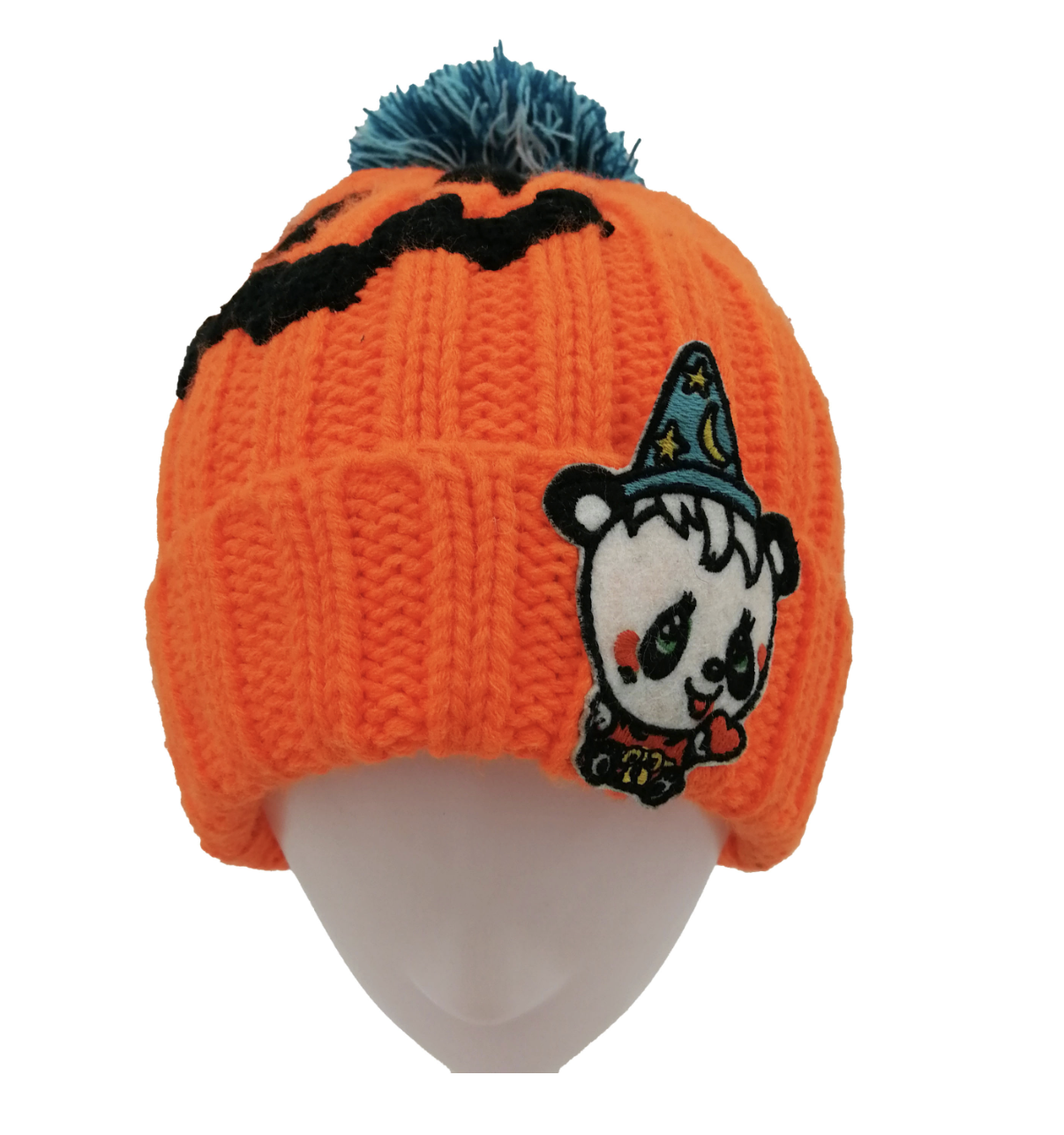
Washing care depends on the type of yarn used. Improper washing can cause shrinkage, felting, or loss of shape.
These are the easiest to care for. You can machine wash them in cold water and then lay them flat to air dry. Avoid high heat or twisting the hat, as this can stretch the fabric or distort the pom.
Wool hats need more gentle handling. Hand wash in cool water using mild soap. Avoid twisting or wringing the hat, which can damage fibers. Lay flat to dry, reshaping the pom and hat as needed. Soft water, like in the Scottish Borders, naturally makes wool feel softer and fluffier. In areas with hard water, consider using a small amount of wool conditioner to maintain softness and shape.
Yes, you can use most plain beanies made of acrylic, wool, cotton, or fleece. Choose a close-fitting style if you want the pom to sit neatly on top.
Thicker yarn creates fuller, fluffier poms, while softer fibers like wool or acrylic are easier to trim and shape. You can also mix colors or use ombré yarn for unique effects.
No, cardboard rings work just as well and are a simple, cost-effective alternative. They give you control over pom size and shape.
Absolutely! Simple designs like stars, snowflakes, initials, or stripes add personality and texture. Contrasting thread colors make the details stand out.
Trim long strands gradually and roll the pom between your hands to shape it. If it seems sparse, wrap more yarn when making the pom.
Making a pom beanie is a fun, creative, and satisfying way to bring a personal touch to your winter wardrobe. From choosing your favorite yarn colors to crafting the perfect fluffy pom, each step allows you to create a cozy, stylish accessory that’s uniquely yours. Whether you’re making hats for yourself, family, or friends, these pom beanies are practical, playful, and perfect for gifting.
For those looking to elevate their DIY projects with premium materials, Nanjing Maxship Textile Co., Ltd. is an ideal partner. As a professional textile accessory solution supplier with a BSCI-audited factory and strong relationships with multiple subsidiary factories, they offer not only high-quality yarns but also comprehensive services. With Maxship, your pom beanie projects can achieve professional quality and creativity with ease.


