

Views: 0 Author: Site Editor Publish Time: 2026-10-24 Origin: Site


A spa headband can improve comfort during every skincare treatment. But how do you choose the right one? This guide explores Spa Headband materials, fit, absorbency, hygiene, and customization. Learn how to select suitable headbands for professional beauty services.
Material selection should be one of the first considerations when sourcing a spa headband. The headband sits close to the forehead, hairline, and temples, so its texture can influence the client's comfort throughout a treatment. A soft, flexible fabric is generally preferable to a rough or stiff material. Buyers should also consider stretch, thickness, absorbency, and how the material feels after repeated washing.
Terry cloth is commonly used for facial accessories because its looped surface can absorb moisture. This can be useful during facial cleansing, when water and skincare products may reach the hairline. Microfiber is another option for certain spa accessories. Its texture, weight, and drying characteristics depend on the specific fabric construction. Neither material should be selected by name alone. Buyers should request composition details and physical samples before making a decision.
For professional purchasing, comfort should be assessed alongside durability. A headband that feels soft when new may become rougher or lose its shape after frequent laundering. Ask the supplier about care instructions, shrinkage, colorfastness, and fabric performance after washing. If the product will be used daily in a busy salon, these details matter more than a photograph or a general product description.
Absorbency is particularly relevant when a spa headband is used during facial cleansing, skin preparation, or other treatments involving water. A suitable design helps keep hair away from the face and can absorb some moisture around the forehead. However, buyers should avoid assuming that every terry cloth or microfiber headband offers the same performance. Fabric weight, construction, and fiber composition all affect the result.
Consider how the headband will be used throughout the working day. A facial treatment may require a washable accessory that handles repeated contact with water and skincare products. A makeup service may place greater emphasis on keeping hair secure without adding unnecessary bulk. A skincare gift set may prioritize a soft texture and attractive appearance. Defining the use case helps buyers choose a product that performs well without paying for features they do not need.
When evaluating samples, check whether the fabric feels comfortable when damp and whether it dries within the salon's normal laundry cycle. Ask the supplier for any available material specifications. If absorbency is a key selling point, consider requesting a simple comparison test under consistent conditions. This provides a more useful basis for choosing between products than relying on broad marketing descriptions.
A spa headband should hold hair away from the face without creating uncomfortable pressure. If it is too loose, it may slip during cleansing or massage. If it is too tight, it may leave pressure marks or feel uncomfortable around the temples. Buyers should therefore assess the headband's length, width, stretch, and fastening system together.
Elastic designs can offer a simple fit, while adjustable closures allow users to change the circumference. Hook-and-loop fasteners are one option, although their durability and comfort depend on the construction. Buyers should inspect the fastening area to make sure it does not scratch the skin or catch hair. They should also check whether the closure remains secure after repeated opening, closing, and washing.
Fit requirements may vary across customer groups. A salon serving a wide range of clients may prefer an adjustable design, while a retail gift set may use a more standardized style. Before ordering, test samples on different head sizes where practical. Confirm the usable adjustment range and whether the headband can remain stable during normal facial movements. A well-fitting product supports smoother treatment routines and reduces the need for repeated adjustments.
Tip: Test each sample during a real facial cleansing routine. Check comfort, hair coverage, absorbency, and closure stability rather than judging appearance alone.
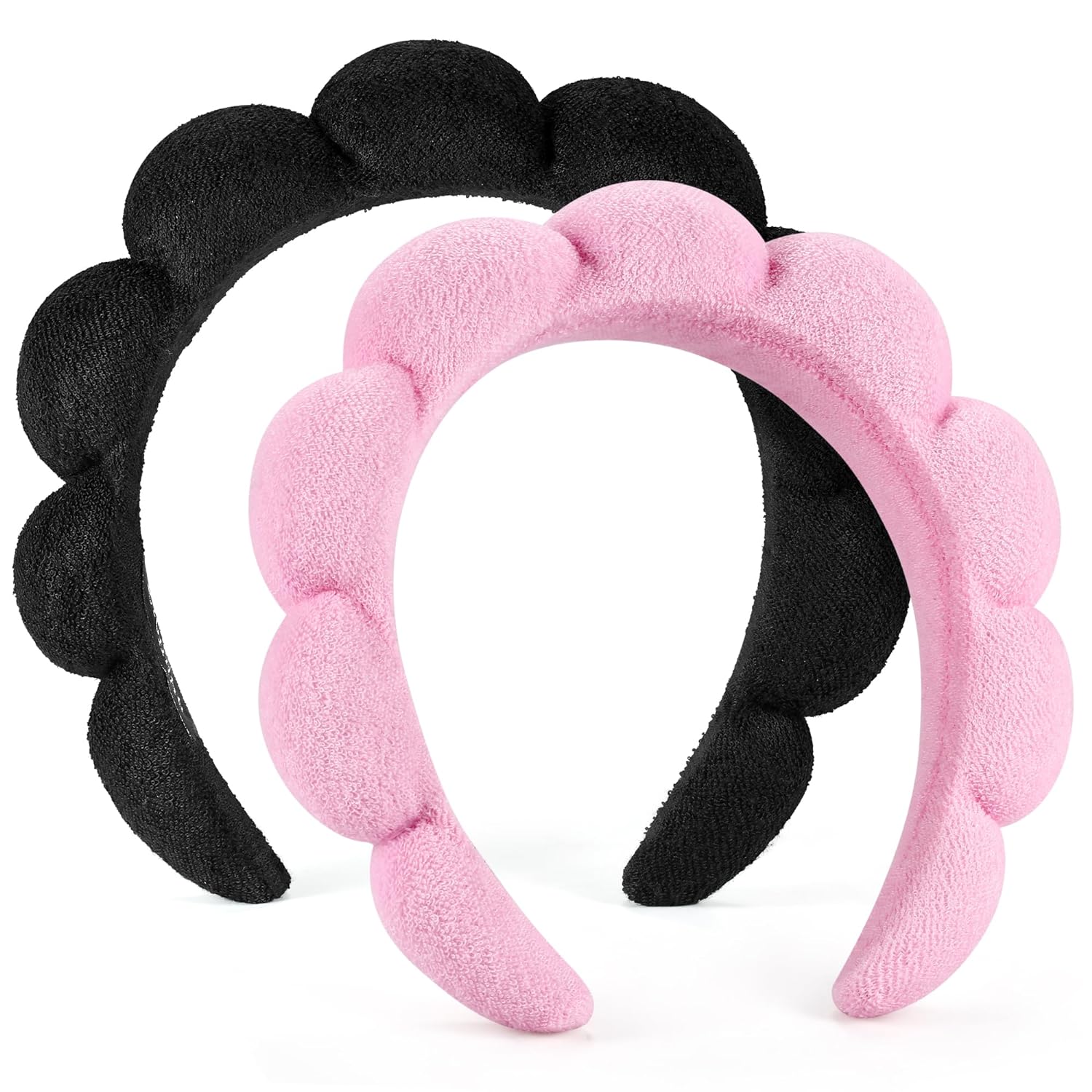
Terry cloth headbands are a practical option for treatments involving water around the forehead. Their looped surface can help absorb moisture, while the fabric provides a familiar soft texture for skincare routines. Salons may use them during facial cleansing, mask application, and other services where hair needs to remain away from the treatment area.
Buyers should compare fabric density, width, stitching, and fastening design. A wider band may cover more hair near the hairline, while a narrower option may feel lighter. The best choice depends on the treatment process and client preference. Check whether the fabric stretches comfortably and whether seams create bulky or irritating areas. These details can affect how the product feels during extended use.
Maxship offers the SPA Facial Terry Cloth Headband Washing Face Bulk for buyers evaluating facial headbands. It can serve as a reference when comparing terry cloth designs for professional or retail use. Before placing a bulk order, confirm the exact material composition, available sizes, color choices, closure type, and washing instructions. Buyers should also ask whether custom colors, packaging, or branding options are available for their intended quantity.
Microfiber spa headbands can suit beauty brands looking for a lightweight accessory with a smooth, soft feel. The actual performance depends on the fiber blend, fabric weight, and construction. Buyers should compare these details rather than assume that every microfiber product has identical absorbency or drying characteristics. For salon use, the headband should remain comfortable while keeping hair securely away from the face.
Design also matters when a headband forms part of a retail skincare set. A bow, decorative knot, or coordinated color can make the accessory more appealing to customers. However, decorative features should not interfere with fit or daily use. Check whether the bow stays in place, whether stitching feels comfortable, and whether the design can withstand the intended washing routine. A product that looks attractive but becomes misshapen after laundering may not suit frequent professional use.
Maxship's Microfiber Bow Spa Headband Custom Makeup Skincare provides a design reference for businesses exploring decorative skincare accessories. Buyers can assess whether this style fits a salon's visual identity or a beauty brand's product range. Confirm fabric composition, dimensions, color availability, decoration options, and packaging details before ordering. If the headband will be sold as part of a set, evaluate its appearance alongside the other products to ensure a consistent presentation.
An adjustable spa headband can be useful when products will be shared across different clients or supplied to several salon locations. The fastening system allows users to change the fit instead of relying on one fixed circumference. This can help accommodate different head sizes, hairstyles, and treatment preferences. However, the actual adjustment range and comfort should be checked before bulk purchasing.
Terry cotton designs combine a cotton-based fabric with a textured construction, depending on the product specification. Buyers should verify the exact fiber composition rather than relying only on the product name. Pay attention to the closure's strength, the softness of the contact surface, and the durability of the stitched areas. If the headband is intended for frequent professional laundering, ask whether the fastening system and fabric are designed for repeated care.
Maxship offers the Spa Headband Terry Cotton Facial Closure Custom as another option to review. Its product title identifies a facial headband with a closure and custom branding potential. Buyers should confirm the available adjustment method, material composition, logo placement, and minimum order quantity directly with the supplier. A physical sample can help determine whether the design is practical for the salon's treatment routines.
Note: Product names do not replace technical specifications. Confirm fiber content, dimensions, fastening details, and care instructions before approving an order.
Spa headbands used in professional settings may be washed frequently, so care requirements should be considered before selecting a product. The appropriate washing method depends on the material, color, stitching, fastening system, and manufacturer's instructions. Buyers should not assume that all terry cloth or microfiber products can tolerate the same water temperature or drying process.
Ask the supplier for written care guidance. Check whether the material may shrink, fade, become rough, or lose elasticity during repeated washing. If the salon operates several treatment rooms, consistent care procedures can help staff manage accessories more efficiently. The headband should also be easy to inspect for wear before it is returned to service.
For businesses planning to sell branded headbands, care information can support a better customer experience. Packaging or product inserts may explain recommended washing and drying methods, provided the guidance matches the actual material. Avoid making unsupported claims about antimicrobial properties or special hygiene performance. If such claims are important to your market, request appropriate documentation before using them in product descriptions.
Reusable spa headbands can support repeated use when their construction and care routine are suitable. However, reuse should not depend on appearance alone. Staff should inspect each item for loose stitching, damaged closures, persistent stains, fabric deterioration, and changes in fit. A headband that no longer stays secure or cannot be cleaned properly should be handled according to the salon's hygiene procedures.
Professional businesses should also establish clear handling practices between clients. Clean and used accessories should be stored separately, and laundering should follow the salon's established hygiene requirements. The headband's material and construction should support these routines without becoming difficult to manage. Buyers can discuss the expected washing frequency with suppliers and ask whether samples have been evaluated after repeated laundering.
For larger salon groups, standardizing the selected product can simplify purchasing and staff training. The same model can be evaluated across locations, making it easier to identify issues with sizing, closure durability, or fabric performance. Keep records of the product specification and reorder details. This helps maintain consistency when replacement stock is needed and reduces the risk of receiving a noticeably different design.
A spa headband should be assessed under conditions similar to its intended use. For example, a product used several times daily may need closer attention to fastening strength and wash durability than an accessory used occasionally at home. Buyers should identify the most important performance factors before approving a sample, then check whether the product continues to meet those requirements after normal use.
Create a simple inspection checklist covering dimensions, fabric condition, seams, closure performance, color consistency, and overall comfort. If branding is included, inspect the logo for loose threads, poor placement, or fading after suitable care tests. These checks help buyers identify problems before ordering large quantities. They also provide clear information when discussing improvements with the supplier.
Quality expectations should be documented in the purchase agreement or product specification. Define how defects will be recorded and how the supplier should respond if the delivered goods do not match the approved sample. For larger orders, consider a pre-shipment inspection based on agreed acceptance criteria. A consistent process protects both the buyer and supplier by replacing vague expectations with practical checks.
Tip: Keep one approved sample as a reference and use the same inspection checklist for future orders.
Customization can help a salon, spa, or skincare brand create a consistent product range. Common possibilities may include custom colors, embroidered logos, labels, decorative bows, and branded packaging. Availability depends on the product and supplier, so buyers should confirm each option before preparing final artwork. A design that looks simple on screen may require adjustments to suit the fabric or available decoration method.
Provide a clear specification sheet containing the logo file, color references, placement, dimensions, and packaging requirements. Ask the supplier to explain which changes affect the price or production schedule. If the headband will be part of a coordinated skincare set, ensure that its color and branding match the other items. Consistent presentation can make a retail collection look more professional.
Before approving bulk production, review a physical sample with the intended decoration. Check logo legibility, stitching, color accuracy, and placement. Confirm whether the supplier will retain the approved specifications for repeat orders. These records are particularly useful for brands that need consistent products across multiple shipments or retail locations.
Minimum order quantity, or MOQ, affects how much inventory a buyer must purchase at one time. A large order may reduce the unit price, but it can also tie up working capital and increase storage requirements. Smaller quantities may be more flexible for testing a new product, although development or setup costs can make each unit more expensive.
Request quotations using the same specifications and quantity. Include sample fees, logo setup, labels, packaging, shipping, and any applicable import expenses. Ask whether the MOQ applies to each color, design, or combined order. This is important when a brand wants several styles or colors within one collection. A lower headline price may not represent the lowest total purchasing cost.
Estimate the quantity using realistic demand rather than the largest available discount. For salons, consider the number of treatment rooms, replacement frequency, laundry cycles, and expected usage. For retail brands, consider forecast sales, storage capacity, and the risk of unsold inventory. A practical purchasing plan balances unit economics with the cost of holding excess stock.
A suitable supplier should communicate clearly about product specifications, sampling, production, and delivery. Buyers should ask for relevant product examples, material information, available customization options, and an explanation of quality control procedures. If a supplier makes technical or hygiene-related claims, request supporting documentation where appropriate.
Check whether the supplier can manage repeat orders and maintain the approved product details. Confirm production lead times, payment terms, packaging, and shipping responsibilities in writing. If the supplier offers fabric sourcing or product development, clarify the scope of those services and whether additional charges apply. Clear terms reduce uncertainty when the order moves from sampling to production.
Maxship presents OEM support, product development, fabric sourcing, and shipping services as part of its business offering. Buyers can review its spa headband products and discuss their requirements, including the intended use, material preferences, branding, quantity, and delivery destination. Before committing, confirm all specifications and commercial terms directly with the company. Choosing a supplier should involve both product evaluation and a realistic assessment of its ability to meet the order requirements.
Note: Confirm MOQ, sample charges, production lead time, payment terms, and defect handling in writing before placing a bulk order.
Choosing the right Spa Headband requires attention to comfort, absorbency, fit, hygiene, and durability. Maxship offers customizable spa headbands, OEM support, fabric sourcing, product development, and shipping services. Its products support professional skincare routines and branded beauty collections.
Terry cloth may suit facial cleansing because of its textured surface, while microfiber offers other softness and styling options. The best material depends on absorbency, comfort, care requirements, and intended use.
It should hold hair away from the face without slipping or creating uncomfortable pressure. Check the width, stretch, closure, and adjustment range before ordering.
Many products can support embroidery, labels, or other branding methods. Confirm the available options and approve a decorated sample before bulk production.
Follow the material manufacturer's care instructions and the salon's hygiene procedures. Washing frequency should reflect actual use and the required handling process between clients.
Review material composition, fit, closure durability, sample quality, MOQ, total cost, customization, and delivery terms. Written specifications help maintain consistency across the order.


