

Views: 0 Author: Site Editor Publish Time: 2026-10-25 Origin: Site


Choosing the right custom hat manufacturer can make or break your brand. Poor quality and delayed deliveries can quickly damage customer trust. How do you find a reliable supplier for your custom hats? This guide covers quality checks, pricing, sampling, and customization to help you make informed sourcing decisions.
Start by checking whether a manufacturer has experience producing the styles your brand needs. Baseball caps, trucker hats, bucket hats, snapbacks, and winter hats require different materials, construction methods, and finishing techniques. A supplier familiar with one style may not have the same expertise in another. Ask for product examples, construction details, and samples that match your intended designs. Review the number of panels, crown shape, brim structure, closure system, and overall fit. These details influence both appearance and customer satisfaction.
You should also assess whether the supplier understands your market. Sports brands may prioritize lightweight materials and moisture management. Fashion labels may focus on fit, color accuracy, and decorative details. Promotional buyers often need consistent branding across large quantities. A suitable manufacturer should understand these priorities and explain how its production methods address them. Do not rely on general claims about manufacturing experience. Request evidence that relates directly to your product category.
For brands developing custom hats, OEM and private label services can simplify product development. Depending on the supplier, these services may include custom embroidery, screen printing, woven labels, branded packaging, and adjustments to existing designs. Some manufacturers can also support new product development and material sourcing. Before requesting a quotation, clarify which services are available and which require external partners.
Prepare a specification sheet containing your design artwork, preferred materials, dimensions, colors, logo placement, and packaging requirements. Ask the supplier to identify any limitations before sampling begins. For example, a small embroidered logo may require a different stitch approach from a large decorative design. Similarly, detailed artwork may not reproduce accurately on every fabric. Clear communication at this stage reduces unnecessary revisions and helps establish realistic production expectations.
Tip: Request a written list of customization options and confirm which services are handled directly by the manufacturer.
A reliable supplier should explain how it manages sampling, material purchasing, bulk production, and repeat orders. Ask whether the proposed production schedule accounts for fabric availability, decoration, finishing, inspection, and packaging. A supplier may accept your order without having every material immediately available. This can create delays if sourcing arrangements are unclear.
Repeat-order consistency also matters. If your first collection performs well, you may need the same design several months later. Ask how the manufacturer records approved specifications, fabric details, color references, and decoration settings. These records help reduce unwanted differences between batches. Maxship presents OEM order support, new product development, fabric sourcing, and door-to-door shipping among its services. Brands can review its custom hat and accessory product range when assessing whether its offerings match their sourcing requirements.
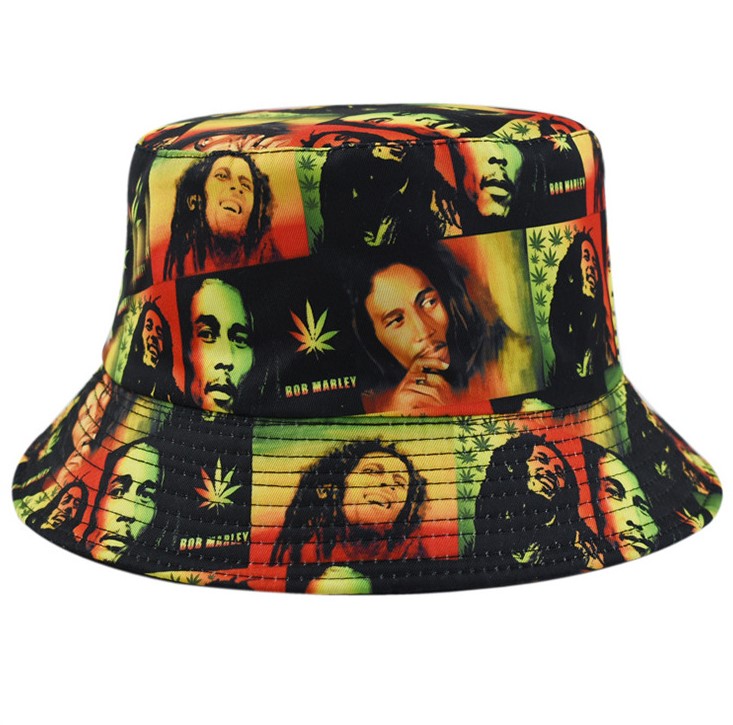
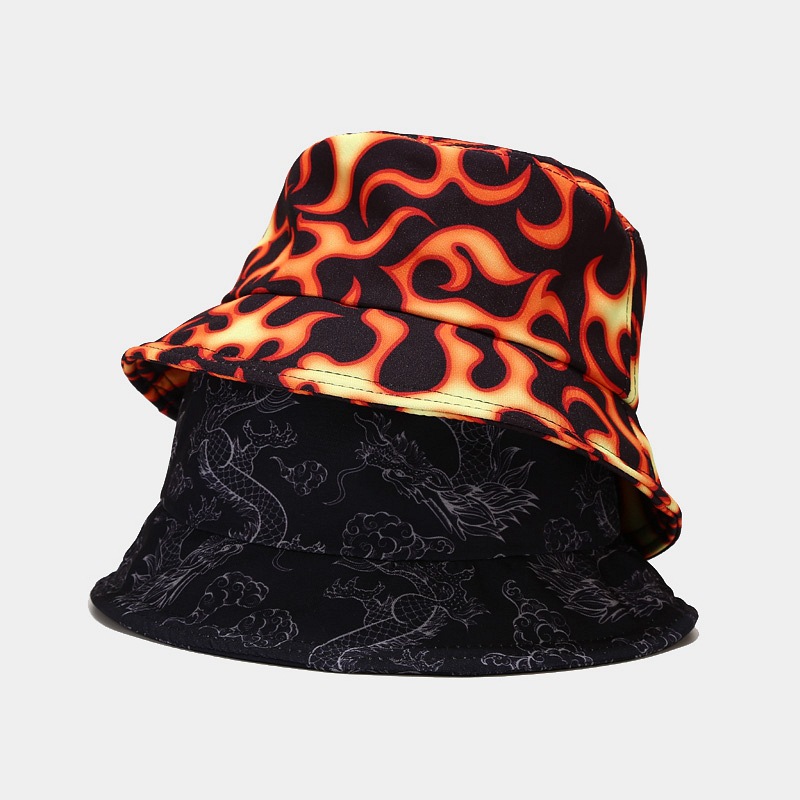
Fabric selection should reflect the intended use, target customer, and expected retail price. Cotton is commonly chosen for its familiar feel and versatility. Polyester may suit products requiring lightweight construction or particular performance characteristics. Mesh panels can improve ventilation, while fleece and other insulating materials may suit cold-weather designs. Blended fabrics offer different combinations of comfort, durability, and cost. No material is automatically best for every application.
Evaluate construction as carefully as the fabric itself. Check stitching consistency, panel alignment, brim shape, closure strength, and the finishing around seams. For adjustable hats, inspect the fastening system and confirm that it fits the intended customer group. For lined winter hats, check whether the lining sits comfortably and remains secure. If your product includes water-resistant materials or sun-protection features, request supporting specifications rather than assuming these benefits from appearance alone.
For example, Maxship's Custom Print Winter Coral Fleece Waterproof Double-sided Bucket Hat may be relevant to brands exploring seasonal headwear. Buyers should confirm the actual fabric composition, waterproof performance, available printing options, and care requirements before approving an order.
A hat can have excellent construction but still fail to meet brand expectations if its logo looks different from the approved artwork. Embroidery quality depends on factors such as stitch density, thread selection, artwork complexity, and fabric stability. Printed designs require attention to color reproduction, edge definition, adhesion, and resistance to normal use. Ask the manufacturer to demonstrate the decoration method proposed for your design.
Compare the sample against your original artwork. Check logo dimensions, placement, orientation, and color references. Look for loose threads, distorted lettering, uneven edges, or visible differences between repeated elements. If your brand uses several logo colors, verify that they remain consistent with your approved standards. Where appropriate, conduct washing or wear tests based on the product's intended care instructions.
Do not approve a sample based only on a photograph. Images can conceal differences in texture, construction, and color. A physical sample provides a more useful basis for evaluating fit, comfort, and finishing before bulk production.
Ask the manufacturer how it checks incoming materials, production quality, and finished goods. A practical quality plan should identify the inspection stages, acceptance criteria, and responsibilities for resolving defects. Relevant checks may include measurements, stitching, logo placement, color consistency, closure function, and packaging accuracy. The specific inspection plan should reflect the complexity and risk of your order.
You should also agree on how nonconforming products will be handled. Clarify whether the supplier will repair, replace, or otherwise resolve defects, and document the agreed procedure. For larger orders, consider a pre-shipment inspection against approved samples and written specifications. These steps help identify problems before goods leave the factory.
Tip: Quality control is more effective when both parties agree on measurable acceptance criteria before production begins.
Sampling allows you to assess the actual product before committing to a large order. Review dimensions, crown depth, brim curvature, fabric weight, color, closure, lining, and logo placement. Try the hat on the intended wearer or evaluate it against your target fit requirements. A design that looks attractive in a digital mock-up may feel uncomfortable or appear different when manufactured.
Create a written sample approval record. Include the approved materials, color references, artwork, measurements, and finishing details. If your design has several colorways or sizes, specify which versions have been approved. This record becomes the reference for bulk production and helps reduce misunderstandings.
The first sample may reveal issues that require adjustment. The manufacturer should be able to explain which changes are feasible, how they affect cost, and whether another sample is necessary. Common revisions include logo scale, brim stiffness, fabric selection, fit, and fastening details. Confirm whether sample charges, revision costs, and development lead times are included in the quotation.
Once you approve the final sample, ask the supplier to confirm that bulk production will follow the same specifications. Any material substitution or design change should receive your written approval first. This is particularly important when your brand depends on consistent colors or plans to reorder successful products.
Tip: Keep an approved physical sample and a matching digital specification sheet for future inspections and repeat orders.
Custom hat pricing depends on more than the basic hat style. Fabric composition, construction complexity, logo technique, label requirements, packaging, and order quantity can all affect the quotation. A simple printed design may cost less to produce than detailed embroidery. Special materials or multiple production steps may also increase costs.
When comparing quotations, ensure every supplier is pricing the same specifications. Confirm the fabric, dimensions, decoration method, quantity, packaging, and inspection requirements. Otherwise, a lower quotation may simply reflect a different product. Ask suppliers to identify one-time development charges separately from recurring production costs. This makes it easier to compare initial investment with future reorder expenses.
Minimum order quantity (MOQ) determines whether a supplier fits your purchasing plan. A large MOQ may reduce the unit price but increase inventory costs and the risk of unsold products. A smaller order may offer greater flexibility for a new collection, although the per-unit cost could be higher.
Discuss whether the MOQ applies to each design, color, size, or combined order. This distinction matters when you plan several variations. Ask whether the supplier can consolidate compatible items or schedule repeat orders. Do not assume that a quoted bulk discount applies to every customization option.
Your real purchasing cost includes more than the factory price. Account for sample development, logo setup, labels, packaging, freight, import duties, and other applicable charges. You should also consider the financial impact of delays, defects, or excess inventory.
A simple comparison can help:
| Cost factor | What to confirm |
|---|---|
| Product cost | Materials, construction, and decoration |
| Development | Samples, revisions, and setup charges |
| Packaging | Labels, individual packaging, and cartons |
| Logistics | Freight, insurance, and delivery terms |
| Import expenses | Applicable duties, taxes, and clearance charges |
| Quality risks | Inspection costs and agreed defect remedies |
Request a complete quotation with clear assumptions. Comparing the total landed cost provides a more reliable basis for selecting a supplier than choosing the lowest advertised unit price.
Check the supplier's business information, product range, manufacturing arrangements, and relevant quality documentation. Ask for recent product photographs or samples that demonstrate its capabilities. Where necessary, arrange a factory audit or use an independent inspection service. Verify any certifications or compliance claims relevant to your product and target market.
A polished website alone does not establish manufacturing capability. You need evidence that the supplier can meet your specific requirements. Ask how it manages outsourced processes, if any, and who remains responsible for final quality. These questions are especially important when your order involves several materials or decoration methods.
Clear communication is a practical indicator of supplier reliability. A capable partner should provide understandable quotations, answer technical questions, and confirm specifications before production. Pay attention to how it handles uncertainties. Honest explanations about material limitations or lead times are more useful than unsupported promises.
Keep important decisions in writing. Record the final design, quantity, unit price, payment terms, production milestones, inspection arrangements, and shipping responsibilities. Written confirmation gives both parties a consistent reference throughout the order.
Ask for a realistic production schedule and identify the events that determine the delivery date. Sample approval, material availability, and artwork confirmation may affect the start of production. Clarify how the supplier communicates delays and what happens if an order fails to meet agreed specifications.
Shipping terms also require attention. Confirm who arranges transportation, which costs are included, what documentation is needed, and who handles import clearance. Maxship identifies door-to-door shipping as part of its service offering, but the exact scope should be confirmed for each order. A clear logistics plan reduces uncertainty between production completion and final delivery.
Tip: Before paying a deposit, confirm the approved specifications, production schedule, payment milestones, and defect-resolution procedure in writing.
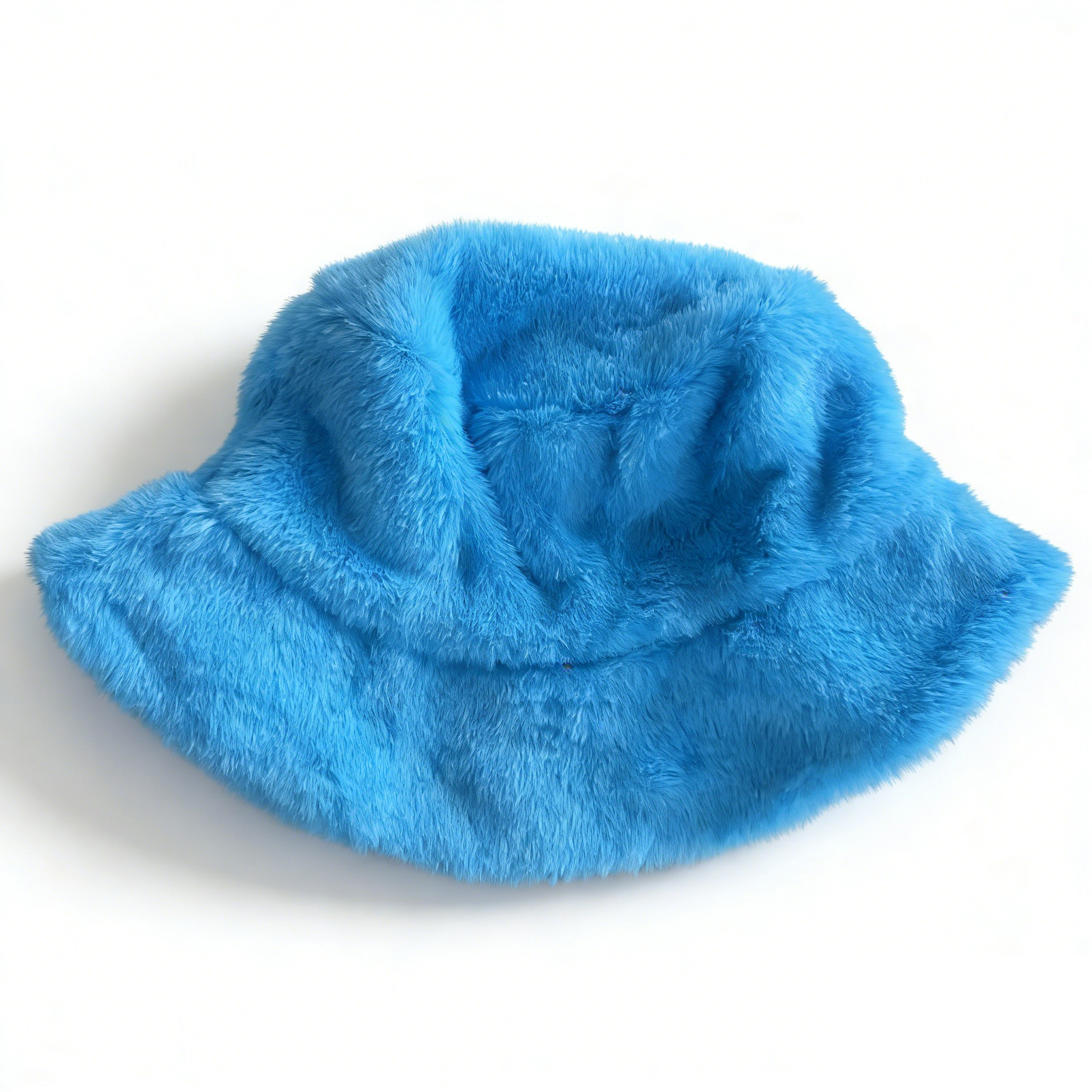
The right supplier depends on your customers and product positioning. Fashion brands may need distinctive silhouettes, carefully matched colors, and detailed decoration. Outdoor brands may prioritize fit, comfort, material performance, and functional features. Promotional merchandise buyers may focus on brand visibility, budget, and consistent bulk production.
Review products that reflect your intended market. For instance, Maxship offers a Custom Faux Fur Trapper Hat Water Resistant for buyers exploring cold-weather headwear. Its Wholesale UPF50+ Solar Fan Hat Wide Brim may interest businesses investigating summer outdoor products. These examples help identify possible product directions, but specifications, performance claims, and customization availability should be verified before ordering.
A long-term supplier should support more than your initial purchase. Consider whether it can source suitable fabrics, develop new items, maintain approved specifications, and coordinate repeat orders. Flexible product development can help brands test new ideas without rebuilding the entire sourcing process each time.
Also assess whether the supplier can communicate changes clearly. Material substitutions, revised artwork, and updated packaging should be documented and approved. Consistent records make future orders easier to manage and reduce the chance of unexpected differences.
Before making your final decision, compare suppliers against the same criteria. Review product experience, sample quality, customization options, MOQ, total landed cost, quality control, communication, and shipping arrangements. Give greater weight to the factors that matter most for your business. For example, a premium fashion label may prioritize material and finishing quality, while a promotional distributor may place greater emphasis on cost and delivery schedules.
Avoid selecting a supplier based on one attractive feature. A competitive price cannot compensate for unreliable production, and extensive customization options are not useful if the finished products fail inspection. The best choice is the manufacturer that meets your product requirements, communicates transparently, and provides a workable balance between cost, quality, and service.
Ask whether samples can be produced using the intended materials and decoration methods. Confirm how many revisions are available, what they cost, and how final approval is recorded. Request written confirmation that bulk production will follow the approved sample and specification sheet.
Confirm the minimum quantity for each design and color. Ask when production begins, which factors may affect the schedule, and when the balance becomes payable. Clarify whether the quotation includes packaging, inspection, and shipping, or whether these are charged separately.
Ask how defects are reported, what evidence is required, and which remedies are available under the agreed terms. Also check whether the supplier retains records of approved materials, measurements, and artwork. These records can help maintain consistency when you reorder popular styles.
Tip: Finalize these commercial and technical details before confirming the purchase order, rather than relying on informal assurances.
Choosing a reliable custom hat manufacturer requires careful checks of quality, pricing, customization, and delivery. Maxship supports OEM orders, fabric sourcing, product development, and shipping services. Its custom hats help brands create distinctive products and build consistent collections.
A: Compare samples, quality control, OEM services, pricing, and delivery reliability.
A: Custom hat pricing depends on materials, logo methods, order quantity, and shipping.
A: Samples help verify fit, fabric, embroidery, and design accuracy before bulk production.
A: Confirm MOQ, lead times, payment terms, and defect policies before ordering.
A: Yes. Maxship offers OEM support, fabric sourcing, new product development, and shipping services.


