

Views: 0 Author: Site Editor Publish Time: 2025-09-20 Origin: Site


Straw hats are a timeless accessory, providing both style and sun protection during outdoor activities. However, one common challenge that many people face is finding the perfect fit. Unlike adjustable fabric hats, straw hats are usually crafted in a fixed size. Fortunately, with the right techniques, it is possible to stretch a straw hat to achieve a more comfortable and customized fit. This guide explores the best methods, precautions, and tips for ensuring your straw hat fits perfectly while maintaining its shape and longevity.
Straw hats are typically made from natural fibers such as raffia, wheat straw, toquilla, or paper braids. Some higher-end versions may use synthetic straw blends for added durability. The key to stretching a straw hat effectively lies in understanding the following characteristics:
Fiber Composition: Natural straw is more pliable than synthetic fibers, making it easier to stretch without causing damage.
Weave Type: Tighter weaves are less flexible, while looser weaves can expand more readily.
Hat Shape: Structured hats with a firm crown or decorative brims require careful handling to avoid deforming the design.
Knowing the type of straw and construction method of your hat will help you select the safest and most effective stretching technique.
Several factors can cause a straw hat to feel tight or shrink over time:
Humidity and Drying: Exposure to moisture followed by rapid drying can cause fibers to contract.
Storage Conditions: Hats stored in cramped spaces or under heavy objects may lose their shape.
Initial Fit: Hats purchased without trying them on may be slightly undersized, especially if the manufacturer’s sizing is smaller than your head circumference.
Understanding these factors is crucial for both prevention and corrective stretching.
Stretching a straw hat requires patience and care. Different hats may respond better to different methods depending on the type of straw, weave tightness, and overall structure. Here are several effective techniques to consider, along with tips to maximize results without damaging your hat.
Using steam is one of the most popular and effective ways to soften straw fibers and allow gentle stretching:
Boil water in a pot or use a handheld garment steamer.
Hold the hat above the steam at a safe distance of 6–12 inches to prevent water from dripping directly onto the straw, which could warp or weaken it.
Rotate the hat slowly so that all sides of the crown are evenly exposed to the steam. This ensures uniform softening of the fibers.
Once the straw feels pliable, gently insert a hat stretcher, a rolled-up towel, or place it on a head-sized object to stretch the crown.
Leave the hat in this position until it cools and dries completely, allowing the fibers to set in the new shape.
Tips:
Avoid holding the hat too close to boiling water to prevent scorching or warping.
Use moderate steam; excessive moisture can weaken the fibers or cause them to lose shape.
Do not rush the process—slow, gentle stretching preserves the integrity of the hat.
A hat stretcher is a specialized tool designed to expand the crown safely and evenly:
Insert the hat stretcher into the crown of the hat.
Gradually turn the adjustment knob to expand the hat slightly at a time. Avoid forcing it, as sudden expansion may crack the straw.
Leave the hat on the stretcher for 24–48 hours to allow the fibers to relax and set.
Benefits:
Ensures uniform expansion across the crown, maintaining the original shape.
Adjustable sizes allow precise fitting for different head measurements.
Reduces the risk of uneven stretching or deformation compared to makeshift methods.
If a hat stretcher isn’t available, household items like towels or socks can serve as gentle stretching aids:
Roll a clean towel or pair of socks into a cylinder slightly larger than your head.
Insert the roll into the hat crown, ensuring even contact with the interior.
Leave the hat on the roll for at least 24 hours to allow the fibers to stretch naturally.
This method is best suited for minor adjustments or slightly snug hats. It’s a safe alternative for casual users who don’t want to invest in specialized equipment.
Some straw hats respond well to gentle heat, which increases fiber pliability:
Place the hat in a warm room or in indirect sunlight. Avoid prolonged exposure to direct sunlight, as it may dry out or discolor the straw.
Once the straw is slightly warm and flexible, carefully use a hat stretcher or other supportive object to expand the crown.
Allow the hat to cool completely in this position so that the fibers set naturally.
Important Notes:
Heat should always be moderate. Excessive heat can make the straw brittle, warp the hat, or cause cracks.
Monitor the hat closely during the process to avoid permanent damage.
Always choose a method suitable for the type and quality of your straw hat.
Gentle, gradual stretching is far more effective and safer than forcing the hat.
Combine methods if necessary—for example, lightly steaming before inserting a hat stretcher for optimal results.
By following these techniques, you can expand the fit of your straw hat comfortably and safely while preserving its shape and longevity.
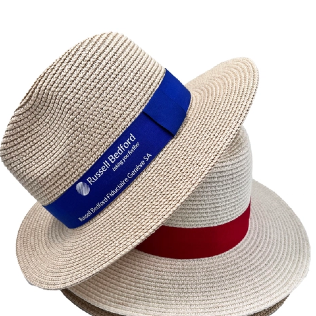
Proper care can ensure your straw hat retains its fit over time:
Store Properly: Use a hat box or wide, flat surface to prevent crushing.
Avoid Excessive Moisture: Keep your hat away from rain or damp areas.
Use a Sweatband: Internal sweatbands absorb moisture from skin, preventing direct contact with the straw fibers.
Occasional Gentle Stretching: For tight areas, periodic mild stretching can maintain comfort.
Clean Carefully: Use a soft brush or damp cloth to remove dust and dirt. Avoid soaking the hat.
Maintain Shape: Brim support inserts can help hats keep their original contour.
Avoid Rough Handling: Straw is delicate; bending or folding can cause permanent damage.
Rotate Hats: Wearing different hats on different days reduces stress on a single piece, preserving shape.
If your hat is expensive, vintage, or particularly stiff, consider consulting a professional milliner or hat shop for stretching. Professionals can apply controlled steam, use specialized stretching tools, and ensure that the hat maintains its structural integrity.
Straw hats are both stylish and functional, but finding the right fit is key to comfort and wearability. By using methods such as steaming, hat stretchers, household rolling techniques, and careful heat application, you can gently stretch your straw hat to achieve a perfect fit. Coupled with proper storage and maintenance, these techniques ensure your hat remains comfortable, stylish, and long-lasting.
For high-quality straw hats and related products, Nanjing Maxship Textile Co., Ltd. provides a range of well-crafted hats and expert guidance. Visit their website to explore options, learn more about straw hat care, and contact their team for professional support and recommendations.


