

Views: 0 Author: Site Editor Publish Time: 2025-12-09 Origin: Site


Straw hats are timeless accessories that combine style, sun protection, and ventilation. However, whether it’s a wide-brimmed sun hat, a fedora, or a boater, even the most well-crafted straw hat can lose its shape over time. Travel, storage, and daily wear can cause brims to bend, crowns to crease, or the entire hat to appear uneven. Fortunately, reshaping a straw hat doesn’t require professional tools. With a few simple techniques and careful attention, you can restore your hat’s structure and extend its lifespan.
Before attempting any reshaping method, it’s important to understand the type of straw used and how your hat is constructed. Straw hats can be made from various natural fibers, including:
Toquilla Straw: Often used for Panama hats, this soft, pliable straw responds well to gentle steaming.
Raffia Straw: Lightweight and breathable, commonly used in summer hats.
Seagrass or Wheat Straw: Sturdier but less flexible, requiring careful heat application.
Braided Paper Straw: Synthetic blend resembling natural straw; usually easier to reshape with water or steam.
Straw hats often feature sewn or braided constructions. The weave density determines how flexible the hat is and how much heat or moisture it can tolerate. Before reshaping, identify areas prone to bending, such as the brim edge or crown indentation, so that you apply targeted correction.
Preparation is the foundation of successful hat restoration. Taking the time to ready your straw hat before applying any reshaping technique helps you avoid damage and ensures long-lasting results.
Clean Your Hat:
Start by gently removing dust, sand, and debris using a soft-bristled brush or microfiber cloth. If your hat has stubborn dirt spots, lightly dampen the cloth with water and wipe gently—avoid soaking the straw. Dirt particles can scratch or embed into fibers during reshaping, leading to uneven texture or discoloration later.
Test Flexibility:
Different straws respond differently to heat and moisture. Lightly press the brim or crown to see how easily it bends. If the straw feels stiff or brittle, it may require more steam or moisture to become pliable. Softer weaves, like raffia or toquilla, often need only gentle steaming, while denser materials such as wheat straw may need prolonged exposure to heat.
Gather Supplies:
Having the right tools at hand will make the process smoother. You’ll typically need:
A kettle or handheld steamer for controlled steam application.
A clean towel to protect surfaces and catch moisture.
A spray bottle filled with water for light misting.
Supportive objects like bowls, mugs, or books to help maintain the shape as the straw cools and dries.
Preparing a clean, well-lit workspace and having patience are just as important as the tools themselves.
Steam is one of the most effective and safest methods for reshaping straw hats because it softens the natural plant fibers, making them more flexible and easier to manipulate.
Steps:
Boil water in a kettle or use a handheld steamer. Hold the hat at least 6–8 inches above the steam source to avoid moisture accumulation.
Slowly rotate the hat so that steam reaches the misshaped areas evenly.
Once the straw begins to soften (you’ll feel it become slightly more flexible), gently mold the brim or crown using your hands.
Use supportive objects—like cups or bowls for the crown and books for the brim—to help maintain the correct shape as it cools.
Let the hat air-dry completely at room temperature. Avoid sunlight or high heat, as these can cause brittleness or fading.
Tips:
Work in small sections to prevent over-softening or sagging.
If the brim has developed waves, lightly press it with a flat object or place a light weight along the edges as it dries.
Always handle with clean, dry hands to prevent transferring oils or stains onto the straw.
This method is ideal for hats with medium to firm straw, including Panama, raffia, and woven seagrass types.
If your hat’s straw is delicate or sensitive to steam—such as paper or palm straw—opt for the water spritz technique. This approach adds enough moisture for reshaping without risking oversaturation.
Steps:
Fill a spray bottle with room-temperature water and lightly mist the affected areas.
Gently mold the hat using your fingers, smoothing out bends or ripples in the brim.
Support the crown by inserting a rolled towel or soft cloth inside, and place the hat on a clean, flat surface.
For wavy brims, lay the hat upside down on a clean towel and lightly press the edges flat.
Allow the hat to dry naturally for 12–24 hours, ensuring full evaporation before wearing or storing.
Caution:
Avoid soaking the hat. Excess water can weaken straw fibers, causing permanent warping or even mold growth. If you notice the straw darkening, you’ve likely used too much moisture. Pat dry gently with a towel and continue air drying in a shaded area.
For minor distortions or small uneven spots, controlled heat can be your best friend. A hairdryer or heat gun on low setting allows precise adjustments.
Steps:
Set the dryer to low or medium heat—never high.
Hold the dryer about 8–10 inches away and direct the warm air over the misshaped areas.
As the straw warms, use your fingers to gently reshape it. For firmer hats, combine heat with light hand pressure for best results.
Continue moving the dryer to avoid overheating one area.
Allow the hat to cool naturally to “set” the new shape.
When to Use:
This technique works well for quick touch-ups or when only small corrections are needed, such as smoothing a dent in the crown or a slightly bent brim edge.
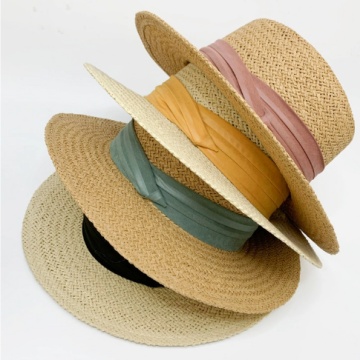
Once your hat is perfectly reshaped, proper storage and handling are crucial to prevent future deformation.
Use a Hat Stand or Hook: Resting your hat on a stand preserves the crown’s structure and prevents flattening.
Stuff the Crown: Insert tissue paper or a soft cloth to maintain its contour, especially during travel.
Avoid Hanging by the Brim: Hanging may stretch the straw or distort the brim’s curve over time.
Store in a Cool, Dry Place: Keep hats away from humidity, which weakens fibers, and from direct sunlight, which fades color and stiffens material.
Use Hat Boxes for Travel: For valuable hats, a fitted hat box ensures protection against crushing or moisture during transport.
By incorporating these habits, you’ll dramatically reduce how often reshaping is needed.
Straw hats may face specific issues depending on wear and environment. Here’s how to handle them safely:
Flattened Brims: Use steam to soften the brim, then reshape and place a light weight (such as a book) on top while it dries flat.
Creased Crowns: Insert a towel or bowl inside the crown and apply gentle steam; press outward from the inside to restore form.
Frayed Edges: Carefully trim loose straw fibers using small scissors. To prevent unraveling, apply a touch of clear fabric glue or transparent nail polish along the trimmed edge.
Discoloration: For minor stains, use a damp white cloth and mild soap; avoid colored cloths that could transfer dye.
Persistent Warps: If repeated reshaping doesn’t fix the issue, professional reshaping services can re-block and re-press the hat to its original form—especially worthwhile for premium Panama or custom-made hats.
Beyond reshaping, consistent maintenance extends the lifespan and keeps your straw hat looking elegant for years.
Rotate Use: Alternate between hats if you wear them frequently to reduce stress on a single one.
Weather Awareness: Straw hats aren’t built for heavy rain. If caught in drizzle, let the hat dry naturally—never use heaters or direct sunlight.
Clean Gently: Brush regularly to prevent dust buildup; for deeper cleaning, use mild soap and lukewarm water sparingly.
Handle with Care: Always lift the hat by the brim rather than pinching the crown, which can create permanent dents.
Sun Protection for Your Hat: While straw hats are made for sunny days, prolonged UV exposure weakens fibers. Storing your hat in shade when not in use preserves flexibility and color.
For those who collect or sell straw hats, maintaining proper care protocols enhances not only the hat’s durability but also its perceived quality and brand value.
Misshaped straw hats don’t have to mean the end of their usability. With careful cleaning, steaming, misting, or low-heat reshaping, most hats can be restored to their original elegance. Regular maintenance, proper storage, and handling significantly prolong the lifespan of your hat, allowing it to remain a stylish and functional accessory for years.
For reliable, high-quality straw hats that are easier to maintain and reshape, consider sourcing from Nanjing Maxship Textile Co., Ltd.. Their expert craftsmanship and sustainable production practices ensure durable, fashionable, and comfortable hats suitable for both everyday wear and seasonal collections. Reach out to them to explore a wide range of straw hat designs or custom options to meet your specific needs.


