

Views: 0 Author: Site Editor Publish Time: 2025-12-04 Origin: Site


Straw hats are more than just seasonal fashion accessories—they’re a statement of style, a shield from the sun, and a symbol of craftsmanship. From raffia to palm leaf, paper-braid to hybrid materials, straw hats require care and attention to ensure they maintain their shape, texture, and longevity. Whether you own a delicate wide-brimmed panama, a beach-ready fedora, or a classic sunhat, proper cleaning and maintenance can significantly extend its life.
Different straw hat materials require slightly different care. Knowing the type of straw your hat is made from is the first step in preserving its appearance:
Raffia comes from the leaves of the raffia palm and is prized for its smooth texture, vibrant color absorption, and flexibility. While it is durable, it is sensitive to moisture and rough handling.
Palm leaf straw is firm and structured, ideal for hats that maintain a crisp shape. However, it is prone to warping under excessive moisture and can become brittle if left in overly dry conditions.
Paper-braid hats are lightweight, affordable, and flexible, making them perfect for casual wear. Their main drawback is susceptibility to moisture, which can soften and deform the straw.
Many modern hats combine natural straw with synthetic fibers for added durability and color retention. These materials are generally more forgiving, but proper cleaning is still essential to avoid buildup of dirt or stains.
Understanding your hat’s material will guide your cleaning technique, helping prevent damage from inappropriate handling.
Before delving into the specific cleaning techniques for various straw materials, it’s essential to understand some universal principles that apply to nearly all types of straw hats. These guidelines help you maintain your hat’s structural integrity and prolong its lifespan.
Never immerse a straw hat completely in water. Straw is an organic or paper-based material, and prolonged contact with moisture softens its fibers, leading to warping, discoloration, or even mold growth. Once a hat loses its structure due to soaking, it’s extremely difficult to restore.
If cleaning is required, always focus on surface cleaning and keep water exposure to a minimum—lightly dampened cloths or targeted steam are safe alternatives.
A soft-bristled brush is your best tool for routine cleaning. Natural bristle brushes (such as horsehair or goat hair) gently lift dust and dirt without scratching delicate straw fibers. Hard or synthetic bristles can damage the surface, especially on finely woven raffia or paper-braid hats.
For everyday maintenance, a quick, gentle brushing after wear helps prevent debris from becoming embedded in the weave.
Instead of washing the entire hat, concentrate on small areas that show stains or smudges. Dip a clean cloth in a mild soap solution, then blot gently—avoid rubbing or scrubbing. For sweat stains inside the band, use a mix of warm water and white vinegar to neutralize odor and remove residue. Always allow the hat to air dry naturally after spot cleaning.
While straw hats are made for sunny days, excessive UV exposure can dry out fibers, fade colors, and weaken the weave over time. When not in use, store your hat in a shaded, cool area. Avoid leaving it in a car or on a window ledge, where heat buildup can distort its shape.
Proper storage preserves both the hat’s crown and brim shape. Use a hat stand, hook, or wide, flat surface to maintain its form. Avoid stacking hats or placing them under heavy items. If you must pack a hat for travel, stuff the crown with tissue paper and place it in a hat box to prevent crushing.
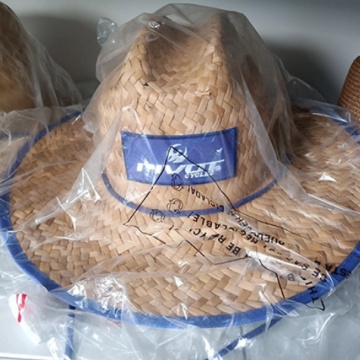
Different straw materials respond differently to moisture, cleaning products, and reshaping methods. Understanding your hat’s construction ensures that you treat it correctly and avoid accidental damage.
Raffia hats are popular for their natural sheen and flexibility. However, raffia’s organic fibers require delicate care.
Dust Removal: Use a soft-bristled brush or microfiber cloth to sweep dust along the weave direction.
Spot Cleaning: Mix a few drops of mild detergent in lukewarm water. Dampen a soft cloth slightly and dab at stains—never oversaturate. Allow to air dry in a well-ventilated area.
Shaping: If the brim or crown loses its shape, lightly steam from a distance of 20–30 cm and reshape using your hands. Keep steam exposure brief to prevent moisture absorption.
Long-Term Care: Store raffia hats in breathable containers and occasionally condition with a tiny amount of natural oil if the straw feels overly dry.
Palm leaf hats are known for their rugged texture and durability, often used for outdoor or rustic settings. However, they are heavier and more moisture-sensitive than raffia.
Surface Cleaning: Wipe with a barely damp cloth to lift surface dirt. Avoid excessive moisture, which can cause palm straw to expand or deform.
Mold Prevention: Palm leaf hats are susceptible to mold in humid environments. Keep them in airy spaces, and place silica gel packets or cedar blocks in storage boxes to absorb moisture.
Restoring Shape: If the hat becomes misshapen, gently reshape it while damp using a hat form or by stuffing the crown with tissue paper. Let it dry naturally in shade.
Color Care: Because palm leaf straw has natural variations, over-cleaning or bleaching can dull its unique tonal beauty—gentle cleaning is always best.
Paper-braid hats are lightweight, smooth, and affordable, but their delicate nature demands a cautious cleaning approach.
Dusting: A dry cloth or feather duster is ideal for quick surface cleaning.
Stain Removal: Mix a small amount of mild detergent with water and apply gently with a soft cloth. Blot stains instead of rubbing to prevent tearing or fraying.
Reshaping: Paper-braid hats soften slightly when damp, so minor shape corrections can be made by hand during drying. Avoid direct sunlight while drying to prevent fading.
Storage: Keep paper-braid hats away from moisture-prone areas—humidity can weaken the paper fibers over time.
Many modern straw hats combine natural and synthetic fibers such as polypropylene or polyester, offering improved durability.
Routine Cleaning: Dust with a soft brush or microfiber cloth after every few wears.
Stains and Spills: Synthetic fibers tolerate slightly more moisture, so a mild soap solution can safely remove most stains. Always air dry fully before storage.
Durability Tips: Avoid exposing synthetic straw hats to direct heat (hair dryers, irons, or radiators). Though resilient, high heat can warp synthetic materials or melt fiber coatings.
Longevity: These hats are often easier to maintain, making them a good choice for travel or frequent outdoor use.
Proper cleaning keeps your straw hat looking fresh, but consistent preventative care ensures it remains in good condition for years. The key lies in reducing wear stress, moisture damage, and environmental exposure.
Frequent dust removal is the simplest yet most effective maintenance step. Dust and dirt particles can embed into straw fibers, creating discoloration or weakening the weave over time. A quick brush-down after each use can prevent these issues before they start.
Just like quality leather shoes, straw hats benefit from rest periods. Wearing the same hat daily exposes it repeatedly to sweat, sunlight, and handling, which accelerates fiber fatigue. Rotate between two or three hats during summer months to maintain shape and freshness.
If your hat becomes wet—whether from rain, sea mist, or sweat—resist the temptation to use artificial heat for drying. Instead, gently pat excess water with a towel and let it air dry naturally on a clean, flat surface. Never wring, twist, or hang a soaked straw hat, as this can permanently deform it.
For frequent wearers, consider using a fabric liner or replaceable sweatband to absorb moisture and protect the straw.
Accessories like sweatbands, inner hat liners, or hat guards add both comfort and protection. They absorb sweat and oils from the skin, minimizing stains and odor buildup. Replace these liners periodically to keep the inside of your hat hygienic and fresh.
Storage conditions play a major role in straw hat longevity. Always store hats in breathable containers—cloth or cardboard boxes are ideal. Avoid sealed plastic bags, which trap humidity and can lead to mold or mildew.
If possible, use acid-free tissue paper to support the crown and brim during storage. For wide-brimmed hats, hang them upside down on a large hook or rest them brim-up on a shelf to preserve their curve. Proper airflow around the hat prevents musty odors and moisture buildup.
Straw hats are timeless accessories that combine style and practicality. Proper cleaning, careful storage, and material-specific care will ensure that your hat maintains its shape, color, and elegance for years. Whether made from raffia, palm leaf, paper-braid, or synthetic blends, these natural and hybrid fibers reward careful attention with long-lasting durability and beauty.
For businesses or designers looking to source high-quality straw materials for hats, or for individuals seeking premium products, Nanjing Maxship Textile Co., Ltd. offers a wide range of straw fibers and finished hats suitable for retail, fashion, and seasonal collections. Explore their offerings to find sustainable, stylish, and durable options that meet your design and production needs.


