

Views: 0 Author: Site Editor Publish Time: 2025-11-12 Origin: Site


In the global fashion and accessories market, straw hats have secured a timeless position as both a functional and stylish accessory. From classic Panama hats and beach hats to trendy fedoras and wide-brim sun hats, straw hats continue to represent a perfect blend of craftsmanship, comfort, and aesthetic appeal. Whether for luxury brands, resort wear labels, or promotional collections, sourcing from the right supplier plays a pivotal role in ensuring consistent quality and design alignment.
However, with thousands of manufacturers across Asia and beyond, finding the right straw hat supplier can be challenging. Choosing the wrong partner can result in inconsistent quality, delivery delays, and branding misalignment—all of which can damage your reputation and profitability. This article explores the critical factors to consider when selecting a straw hat supplier for your brand, helping you make an informed and strategic choice.
Before beginning your supplier search, it’s essential to understand the diverse straw hat industry. Straw hats are made from a variety of natural and synthetic materials, each influencing the look, feel, and durability of the final product. Common materials include:
Natural Straw: Such as raffia, paper straw, seagrass, wheat straw, and palm leaves. These are eco-friendly, breathable, and highly sought-after for high-end products.
Paper Braid and Synthetic Fiber: Lightweight and cost-effective, these materials offer consistent texture and color, suitable for mass-market products.
Blended Materials: Many modern hats combine straw with polyester or cotton for improved durability and shape retention.
Understanding which material aligns with your brand image and target audience will narrow your supplier options. For example, a premium resort brand may prioritize handwoven raffia hats, while a promotional company might look for durable, affordable paper-straw options in bulk.
The craftsmanship behind a straw hat is crucial, as it directly impacts comfort, durability, and visual appeal. Experienced suppliers bring decades of specialized knowledge in weaving, shaping, and finishing hats to produce consistent, high-quality products that meet diverse market demands.
When assessing a potential partner, several factors should be considered. Weaving techniques are fundamental: the evenness, density, and tension of the weave determine the hat’s durability and overall aesthetic. High-end hats typically feature tight, symmetrical weaves that feel smooth to the touch and resist fraying over time. Shaping precision is equally important. Advanced molding machines and steam-forming processes must consistently produce accurate hat shapes without distortion, maintaining uniformity across production batches.
Finishing quality also plays a key role. Inspect stitching, edges, dye uniformity, and the attachment of trims or ribbons, as these elements affect both durability and visual appeal. Additionally, a supplier’s customization capability—such as producing unique shapes, embroidery, printed linings, or branded hangtags—demonstrates flexibility to support your brand’s identity.
Reputable manufacturers, such as Nanjing Maxship Textile Co., Ltd., effectively combine traditional handcrafting with modern production technology. This blend of expertise enables them to handle both large-scale bulk orders and smaller boutique productions while ensuring precision, consistency, and high-quality finishes for every straw hat produced.
This comprehensive expertise ensures your brand receives products that meet both functional and aesthetic standards, enhancing customer satisfaction and reinforcing brand value.
In today’s fashion industry, sustainability is not just a trend—it’s a requirement. Conscious consumers increasingly demand eco-friendly products, and brands are under pressure to demonstrate ethical sourcing practices.
When choosing a supplier, inquire about:
Raw Material Origins: Are the straws locally harvested, or do they come from certified eco-friendly farms?
Sustainable Practices: Does the supplier minimize waste, use non-toxic dyes, and follow environmentally friendly weaving methods?
Certifications: Look for third-party verifications such as FSC (Forest Stewardship Council) or GOTS (Global Organic Textile Standard) for assurance of responsible production.
A reliable supplier should also be transparent about its material sourcing and environmental policies. For instance, many suppliers in China and Southeast Asia have adopted biodegradable coatings and recyclable packaging to align with global sustainability goals.
Your straw hat supplier should act as a collaborative partner in design development, not just a manufacturer. The ability to co-create unique products tailored to your brand identity is crucial.
Look for a supplier that offers:
Design Assistance: Access to an in-house design team that can translate your ideas or sketches into workable prototypes.
Sampling Services: The ability to produce pre-production samples quickly for approval.
Variety of Styles: From classic Panama and fedora shapes to floppy sun hats and boater styles.
Customization Options: Including embroidery, logo patches, custom sweatbands, or color-dyed straws.
Suppliers who regularly work with international fashion brands understand design trends, market expectations, and seasonal updates. They can also advise on color trends, embellishment options, and export packaging standards, saving you time and ensuring your products remain market-relevant.
Consistency is one of the most critical factors in supplier reliability. Even the most beautiful prototype is meaningless if mass production fails to match its quality.
Ask your potential supplier about:
Quality Control Systems: Do they follow ISO or BSCI-certified quality procedures?
Inspection Process: Are there multi-stage inspections during production, including pre-shipment testing?
Tolerance Standards: How do they handle variations in color, size, or material texture?
Defect Handling Policy: What procedures are in place for returns, repairs, or replacements?
A dependable supplier will have documented quality assurance (QA) processes and provide clear product specifications to avoid misunderstandings. Many reputable factories also conduct randomized quality checks on each production batch to maintain uniformity across thousands of units.
Timely delivery is just as important as product quality, especially if your brand follows seasonal launches or e-commerce schedules. When assessing production capacity, consider:
Monthly Output: Can the supplier handle your order volume within your deadline?
Production Flexibility: Are they capable of scaling up or down depending on seasonal demand?
Lead Times: Average turnaround for sampling, production, and shipping.
Logistics Support: Does the supplier offer export services, consolidated shipments, or assistance with customs documentation?
For growing brands, it’s advisable to partner with a supplier capable of handling both small-batch and bulk production, ensuring smooth scalability as your business expands.
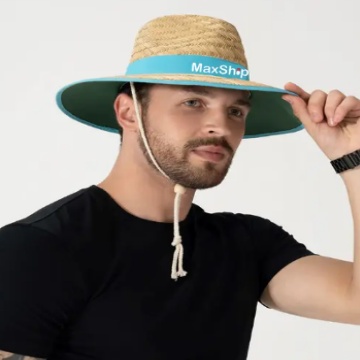
Effective communication can make or break an international sourcing relationship. Language barriers, time zone differences, and unclear documentation often cause costly misunderstandings.
An ideal straw hat supplier should provide:
Responsive Communication: Prompt replies to emails and inquiries.
Project Transparency: Regular production updates, including photos or videos.
After-Sales Service: Willingness to address concerns, handle replacements, or provide technical guidance after delivery.
Establishing clear communication protocols from the beginning—such as preferred contact platforms, update frequency, and approval procedures—ensures a smooth and efficient workflow.
While cost competitiveness is important, the lowest price doesn’t always equal the best value. In the straw hat industry, prices vary based on material type, handwork intensity, and order volume. Reliable suppliers offer transparent quotations that detail:
Material costs
Labor costs
Customization or sampling fees
Packaging and shipping charges
Avoid suppliers who offer significantly lower prices without explaining how they achieve those savings—it often signals compromised materials or shortcuts in quality control.
Long-term partnerships are better built on fair, transparent pricing structures that benefit both parties.
If your brand operates internationally, ensure that your supplier understands and complies with import regulations and safety standards in your target markets. Important certifications may include:
BSCI (Business Social Compliance Initiative) – for ethical labor practices
ISO 9001 – for quality management systems
Sedex or WRAP – for factory audits and responsible sourcing
Product Safety Compliance – ensuring materials are free of harmful substances (like AZO dyes or formaldehyde)
Suppliers experienced in global trade will also be familiar with export packaging, labeling requirements, and customs paperwork, helping you avoid costly delays.
Ultimately, selecting a straw hat supplier isn’t just about placing an order—it’s about forming a strategic partnership. The best suppliers invest in understanding your brand’s long-term goals, style direction, and target demographics. They can help forecast trends, suggest new materials, and collaborate on seasonal collections.
Regular visits, ongoing communication, and mutual trust build a foundation for lasting success. As your brand grows, your supplier’s technical capabilities and creativity will become a key factor in sustaining product innovation and quality.
Choosing the right straw hat supplier for your brand requires careful evaluation of craftsmanship, quality systems, sustainability practices, and communication reliability. A trusted supplier should not only deliver high-quality hats but also act as a partner in innovation, design development, and long-term business growth.
If you’re looking for a dependable and experienced straw hat manufacturer, Nanjing Maxship Textile Co., Ltd. is a company worth considering. With years of expertise in natural fiber weaving, sustainable production, and customized straw hat manufacturing, they provide consistent quality that aligns with global brand standards. You can learn more about their product range, design capabilities, and export services—or get in touch with their professional team for collaboration opportunities.
By partnering with a supplier like Nanjing Maxship Textile Co., Ltd., your brand can deliver beautifully crafted, durable, and stylish straw hats that resonate with today’s conscious consumers.


