

Views: 0 Author: Site Editor Publish Time: 2025-11-27 Origin: Site


Straw hats are more than just a seasonal fashion accessory—they represent a fusion of style, practicality, and, increasingly, sustainability. As consumers become more conscious of environmental impacts, the focus has shifted toward eco-friendly materials and ethical production practices in the hat industry.
Straw, the dry stalk of cereal plants like wheat, rye, or rice, is a byproduct of grain production. Historically, straw had limited applications beyond animal bedding or composting. Its potential as a renewable resource for fashion accessories, however, has grown significantly.
One of the key advantages of straw is that it is fully renewable. Unlike synthetic fibers derived from petroleum, straw grows quickly and is harvested annually. Once a straw hat reaches the end of its life, it naturally decomposes, returning nutrients to the soil without releasing microplastics or toxic residues. This biodegradability significantly reduces landfill pressure compared to synthetic headwear.
The environmental impact of straw cultivation is minimal. Since straw is an agricultural byproduct, its use in hat production adds little additional carbon footprint beyond the initial grain farming. There is no need for extensive chemical processing or energy-intensive extraction methods, unlike synthetic alternatives.
Sustainability extends beyond the choice of raw materials; the way a hat is produced can significantly affect its overall environmental impact. Modern manufacturers are increasingly aware that responsible production practices can conserve resources, minimize waste, and ensure fair labor conditions—all while maintaining the craftsmanship that gives straw hats their unique appeal.
Traditional straw hats are often handwoven by skilled artisans, a process that requires patience, dexterity, and years of experience. Handweaving consumes very little electricity, produces negligible emissions, and supports traditional craft communities. Every handwoven hat carries subtle variations that reflect the artisan’s touch, giving it an authenticity and charm that machine-made products often lack.
Straw hats are naturally light-colored and breathable, but many undergo processes such as bleaching, dyeing, or stiffening to achieve specific appearances and textures. Unfortunately, conventional treatments often rely on chemical agents that can contaminate water supplies and expose workers to health risks.
Eco-friendly manufacturers, in contrast, focus on minimizing or eliminating harmful substances from the production line. They use natural dyes extracted from plants, fruits, or minerals—such as indigo, walnut, or turmeric—to add color without toxicity. Low-impact bleaching agents, like oxygen-based compounds, replace harsh chlorine bleaches. Likewise, biodegradable stiffening resins made from natural polymers or starch derivatives provide structure while remaining safe for the environment. These thoughtful choices protect ecosystems and improve workplace safety, making the entire production chain more sustainable.
In the realm of sustainable fashion, waste management plays a crucial role. Straw hat production, by its nature, produces relatively little waste—most offcuts or unused stalks are organic and compostable. Many eco-conscious factories collect weaving scraps to create smaller accessories such as hairbands, coasters, or mini souvenir hats. Some even repurpose leftover straw fibers as packing material or as natural mulch for agricultural use, effectively closing the loop on material utilization.
Advanced manufacturers also adopt lean production techniques, which optimize raw material use through precise cutting and design planning. By monitoring every stage of production, they reduce inefficiencies and ensure that nearly every straw filament contributes to the final product.
A truly eco-friendly straw hat goes beyond the straw itself. The trims, inner linings, ribbons, and packaging all influence its overall sustainability footprint. As more brands move toward circular design principles, each component is now carefully evaluated for its environmental impact.
Hatbands and decorative trims often use polyester or synthetic ribbons, which can compromise a hat’s biodegradability. Replacing these with natural alternatives—such as organic cotton, linen, jute, or hemp—ensures that the hat remains completely compostable at the end of its lifecycle. Hemp and jute, in particular, are fast-growing, low-water crops that require few or no pesticides, making them excellent eco-friendly materials.
Some suppliers are experimenting with recycled textiles for hatbands, turning post-consumer cotton or denim waste into stylish, durable ribbons. This approach reduces textile waste and appeals to environmentally conscious consumers seeking sustainability without sacrificing fashion.
For hats that include patterns, printed logos, or decorative stitching, using non-toxic, water-based inks and dyes is essential. These alternatives avoid harmful volatile organic compounds (VOCs) that can pollute indoor air and water systems. Moreover, modern eco-dyes offer excellent colorfastness and vibrancy, proving that sustainability and style can coexist seamlessly.
Some brands have adopted digital printing technologies, which require less water and produce minimal wastewater compared to traditional dye baths. This innovation not only enhances efficiency but also aligns with global sustainability standards for textile finishing.
Packaging often goes overlooked, yet it plays a significant role in a product’s environmental profile. Sustainable straw hat suppliers are moving away from plastic wraps, opting instead for recyclable or compostable packaging materials. Recycled paper boxes, kraft hangtags, and reusable cotton pouches have become popular choices.
In addition, some companies use soy-based inks for printing their packaging labels, further reducing their carbon footprint. Lightweight packaging design also helps lower transportation emissions—every gram saved during shipping contributes to energy conservation and reduced environmental impact.
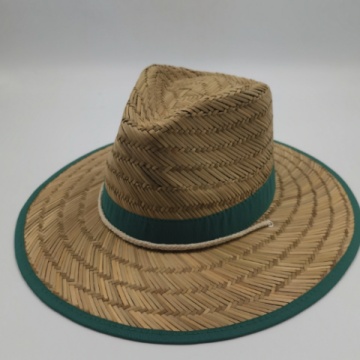
Sustainability encompasses more than environmental responsibility—it includes the well-being of the people and communities involved in production. The straw hat industry, with its deep artisanal roots, offers a unique opportunity to combine environmental awareness with social empowerment.
In many regions across Asia, Africa, and South America, straw hat weaving is not merely a trade—it is a cultural tradition passed down through generations. Sustainable suppliers recognize this heritage and actively collaborate with local artisans, ensuring fair compensation and safe working conditions. By doing so, they preserve traditional weaving techniques while providing stable income opportunities in rural areas.
Companies such as Nanjing Maxship Textile Co., Ltd. exemplify this balance. Their production network integrates both handcrafted and mechanized processes, ensuring artisans remain an essential part of the value chain while scaling up responsibly for international markets. This model sustains local communities and promotes ethical production on a global scale.
The global fashion industry is often criticized for promoting disposable trends. Eco-friendly straw hat producers, however, embrace the slow fashion movement, prioritizing quality, durability, and timeless design. A well-crafted straw hat can last for years if properly maintained, reducing the frequency of replacements and minimizing overall resource consumption.
Encouraging consumers to buy fewer, better-quality products shifts the focus from short-lived seasonal trends to lasting value. Brands that communicate this philosophy build stronger, more sustainable relationships with their customers.
Despite its advantages, the straw hat industry still faces environmental and logistical challenges that need continued attention.
Water Usage in Agriculture: Although straw itself is a byproduct, its parent crops—especially rice—can be water-intensive. Sustainable sourcing requires selecting straw from regions that practice responsible irrigation and water recycling.
Chemical Treatments: Some suppliers continue to rely on synthetic stiffeners or dyes for cost or performance reasons. Transitioning to natural alternatives requires investment and innovation but pays off in long-term environmental benefits.
Transport Footprint: Straw hats are often exported worldwide. While lightweight, their bulkiness can increase shipping emissions. Eco-conscious brands can mitigate this by optimizing packaging efficiency, using carbon-neutral logistics, or partnering with local distributors to shorten supply chains.
By addressing these challenges, the straw hat industry can continue evolving toward full sustainability.
Selecting the right manufacturing partner is crucial for brands that prioritize sustainability. When evaluating potential suppliers, consider the following factors:
Material Sourcing: Do they use natural, renewable, or recycled straw?
Chemical Management: Are their dyes and finishes certified as eco-friendly?
Labor Practices: Do they provide fair wages and safe working conditions?
Energy Efficiency: Do they use clean or renewable energy sources?
Waste Reduction: Are production leftovers repurposed or recycled?
Packaging: Do they offer biodegradable or recyclable packaging options?
Suppliers who combine craftsmanship with environmental responsibility ensure your brand can confidently promote authentic sustainability. Partnering with experienced manufacturers not only enhances your product quality but also strengthens your brand’s ethical credibility.
Straw hats, when produced thoughtfully, represent an environmentally sustainable choice in fashion. Their renewable materials, biodegradable nature, and potential for low-impact manufacturing make them an attractive alternative to synthetic headwear. By prioritizing eco-friendly raw materials, minimal chemical use, and ethical labor practices, brands can deliver products that satisfy style, comfort, and sustainability goals.
For companies or retailers seeking reliable, eco-conscious straw hat suppliers, Nanjing Maxship Textile Co., Ltd. is a trusted partner. Combining decades of craftsmanship with sustainable production practices, they offer high-quality, customizable straw hats designed to meet modern environmental and aesthetic standards. Reach out to them to explore how your brand can embrace sustainable headwear solutions.


