

Views: 0 Author: Site Editor Publish Time: 2026-06-24 Origin: Site


Pulling out a favorite summer accessory only to discover a warped brim or cracked crown is a deeply frustrating experience. You might even find unexpected mold accumulation along the inner band. The root of this common problem stems from a fundamental misunderstanding of the material itself. Many consumers treat woven accessories as static, indestructible fabrics. In reality, a premium Straw Hat is crafted from organic, highly porous plant fibers. These natural materials react actively to daily environmental stressors. Shifting humidity levels, constant gravitational pull, and harsh UV light alter their structural integrity continuously.
Protecting your valuable headwear demands more than just tossing it onto an empty closet shelf. This guide establishes a practical, step-by-step evaluation framework. We designed it to help you select the exact right preservation method. You will learn how to match storage solutions directly to specific hat constructions. We will also explore effective strategies for maximizing your available closet space. Ultimately, these techniques ensure the long-term preservation and pristine condition of your collection.
Orientation Matters: Storing structured hats upside down on their crowns prevents prolonged pressure on the brim, mitigating irreversible warping.
Environmental Control: Climate stability (moderate humidity, zero direct sunlight) is non-negotiable for preventing brittle fibers or fungal growth.
Purpose-Built Solutions: Hard-sided hat boxes offer the highest protection baseline, while wall mounts require careful hook selection to avoid localized tension damage.
Material Alternatives: For frequent travelers or those with limited space, investing in a specifically designed storage friendly straw hat (crushable/packable weave) often yields better ROI than retrofitting complex storage setups.
Gravity acts as a constant, invisible force on your wardrobe. When you rest a wide-brim hat flat on a hard surface, structural problems begin immediately. The brim supports the entire weight of the crown. Over time, gravity pulls the center downward continuously. This prolonged stress causes microscopic structural fatigue within the weave. Eventually, the brim curls upward or droops aggressively. You cannot reverse this specific type of fatigue easily. The organic fibers simply lose their original structural memory.
Moisture dynamics dictate the overall lifespan of woven accessories. Straw acts remarkably like a natural sponge. It absorbs and releases ambient moisture constantly throughout the day.
Too Dry: If your storage environment lacks sufficient humidity, fibers suffer quickly. They lose their natural flexibility. They turn completely brittle. A minor bump or casual pinch can snap them instantly.
Too Humid: Damp environments pose a much darker, insidious threat. Trapped moisture feeds microscopic organic matter. Mildew and mold spores thrive in damp, dark closets. They literally digest the natural plant fibers from the inside out.
UV light and heat inflict severe, irreversible degradation. Many owners casually leave their headwear in car trunks. Others place them near sunny bedroom windows for display. Rapid color bleaching occurs rapidly under direct sun exposure. Extreme ambient heat causes rapid material shrinkage. It also breaks down the internal adhesives and structural stiffeners. Your accessory quickly loses its crisp, tailored silhouette permanently.
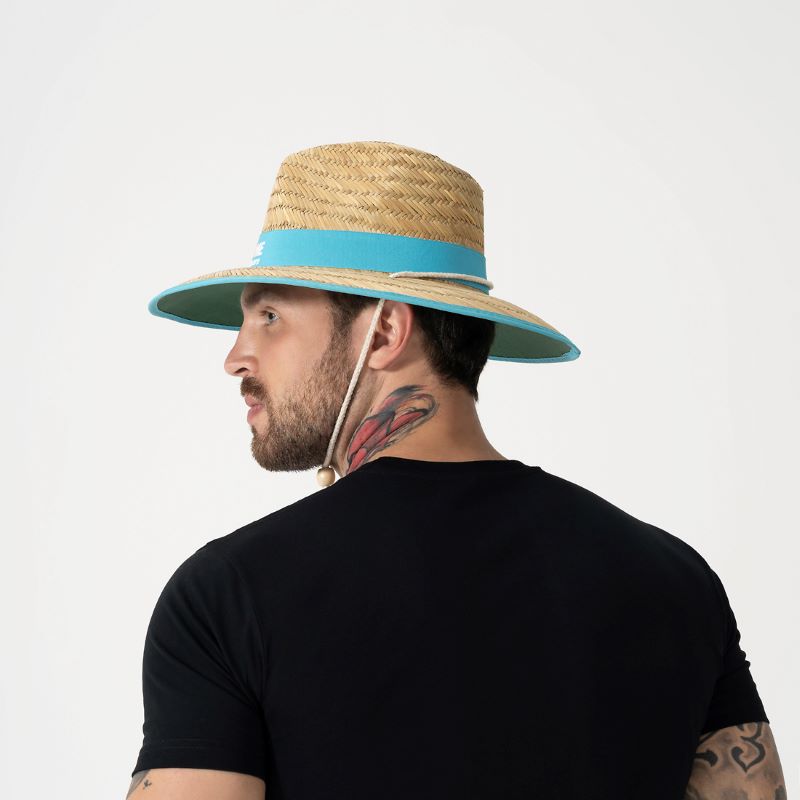
Selecting the correct storage method requires balancing space, budget, and protection needs. We must evaluate the most popular solutions critically.
For true long-term preservation, hard-sided boxes reign supreme. They offer absolute and complete dust protection. They shield delicate weaves fully from ambient UV light. You can stack them easily atop one another. This feature makes them highly scalable for rapidly growing collections. However, they demand significant real estate inside your closet. They also require a noticeably higher upfront financial investment.
Best Practice: Always line the box interior meticulously using acid-free tissue paper. Insert a sturdy cardboard crown-support ring. This ring bears the vertical weight securely.
Hat stands provide excellent daily accessibility. They let you admire your collection easily. Good pedestals maintain the natural hat profile perfectly. Unfortunately, open shelves leave items highly vulnerable. Ambient dust settles into the weave quickly. Room humidity fluctuations also affect exposed fibers constantly.
Evaluation Criteria: Look very closely at the pedestal dome. It must be wide enough to distribute weight evenly. Narrow domes will stretch the crown fibers over time.
Wall mounts save valuable floor space beautifully. They integrate storage directly into your home aesthetics. Yet, they carry a notoriously high risk of tension distortion. Sharp or narrow hooks easily poke through delicate weaves. Gravity pulls the entire piece down against this single, isolated point.
Risk Mitigation: You must mandate the use of wide, padded pegs. Customized curved hat rests work beautifully. Never use standard metal coat hooks for long-term display.
| Storage Method | Protection Level | Space Requirement | Best Suited For |
|---|---|---|---|
| Hard-Sided Boxes | Maximum (Dust, UV, Crush) | High | Heritage pieces, seasonal storage |
| Pedestal Stands | Moderate (Shape retention) | Medium | Daily wear, structured crowns |
| Wall Mounts | Low (Vulnerable to dust/light) | Low | Aesthetic display, casual pieces |
Different profiles demand highly specific, tailored approaches. You cannot apply one universal storage rule to your entire collection. Understanding your specific hat construction remains vital.
These rigid styles rely heavily on precise, factory-set curves. Artisans steam these specific curves into the fibers deliberately.
Rule of Thumb: Always store them "crown-down". You must flip them completely upside down before resting them. Resting these heavy pieces directly on their brims spells absolute disaster. It instantly degrades the delicate factory curve. Gravity flattens the swooping edges aggressively over just a few weeks.
These relaxed pieces intentionally lack internal stiffeners. They feature incredibly wide, dramatic silhouettes.
Storage Logic: They absolutely cannot support their own weight upside down. The soft crown will simply collapse inward. You must store them entirely flat. Use a specialized box large enough to accommodate the full brim diameter. Never fold or curl the edges upward to make them fit inside a smaller container.
These unique accessories feature highly asymmetrical shapes. They often utilize delicate, rigid sizing bands.
Storage Logic: Utilize vertical hanging organizers directly inside your closet. You can also use gentle nesting techniques for identical shapes. Ensure you apply absolutely no lateral pressure to the structural bands. Squeezing these bands alters the custom fit permanently.
Sometimes, dedicated archival space simply does not exist. Urban apartments often lack expansive, walk-in closets. If you cannot accommodate large cylindrical boxes, you must change your strategy entirely. Consider reframing the problem. Evaluate the product itself rather than obsessing over the storage method.
This realization brings us to a highly distinct category. A specifically engineered Storage Friendly Straw Hat differs fundamentally from traditional, rigid designs. Forward-thinking makers utilize resilient raffia palm weaves instead of brittle toquilla straw. They seamlessly integrate flexible memory-wire into the outer brims. They also avoid utilizing stiff, rigid sizing bands entirely. These clever modifications allow the piece to bounce back instantly after heavy compression.
Let us run a practical cost-to-outcome analysis. Traditional rigid hats look pristine initially but damage incredibly easily. The lifecycle cost of replacing a crushed premium piece adds up significantly over time. Conversely, you can invest wisely in a packable alternative. These robust designs withstand being rolled, folded, or compressed safely. You can stash them inside standard luggage easily. They survive crowded, chaotic closets effortlessly. This inherent material resilience yields a substantially better return on your initial investment.
Even seasoned collectors make critical, irreversible errors. You must actively avoid these common, destructive traps to protect your investment.
Plastic Bagging: Never seal organic straw inside cheap, non-breathable plastic. Plastic traps residual ambient moisture perfectly. It creates a dark, highly humid microclimate. Mold spores multiply rapidly in these exact conditions. You will ruin the piece entirely. Always use highly breathable cotton dust bags instead.
The "Car Trunk" Trap: Vehicles experience extreme, rapid temperature spikes daily. A sealed car trunk acts exactly like an oven during summer months. Severe thermal damage happens within just a few hours. The intense heat bakes the natural moisture out completely. Fibers become instantly brittle. Furthermore, adhesives holding the inner sweatband will melt and bleed through the exterior weave.
Nesting Incompatible Shapes: People often stack their collection aggressively to save precious space. Forcefully nesting distinctly different crown shapes causes immediate structural damage. Pushing a round bowler crown heavily into a pinched teardrop crown distorts both pieces simultaneously. Only nest absolutely identical shapes. Always place a soft, protective tissue barrier tightly between them.
Hanging by the Chin Strap: Some owners lazily hang their hats using the attached leather chin straps. Gravity pulls the entire structural weight directly against the delicate inner sweatband. This bad habit distorts the band rapidly. It stretches the internal attachment points heavily. Ultimately, it permanently alters how the piece fits against your head.
Protecting your delicate headwear requires simple but highly consistent daily habits. Use our outlined shortlisting logic to build your personal preservation framework confidently. Choose robust, hard-sided boxes for your irreplaceable heritage or expensive designer pieces. Utilize wide, supportive pedestals for items you wear daily. Finally, select highly packable, crushable options for rigorous travel and high-stress environments.
Take immediate, practical action today. Audit your current closet setup thoroughly. Remove any structured pieces resting flat on their delicate brims immediately. Purchase appropriate acid-free tissue paper for your existing boxes. If your available space remains tight, explore a curated collection of storage-resilient options instead. Proper care practices will extend the functional life of your wardrobe significantly.
A: Brush the exterior lightly with a soft-bristled garment brush to remove dust. Wipe the inner sweatband carefully using a slightly damp cloth. You must ensure 100% complete air drying before boxing the item. Any lingering residual moisture will absolutely trigger devastating mold growth during storage.
A: Yes, you can often address minor, superficial warping successfully. Apply very gentle steam to the affected area and reshape it carefully by hand. However, you must do this sparingly. Repeated, aggressive heat treatment weakens the natural plant fibers permanently over time.
A: Only use a standard coat rack for temporary placement lasting a few hours at most. Long-term coat rack storage concentrates gravitational pull heavily onto a single, narrow point. This intense, localized tension permanently dimples and damages the delicate woven straw.


