

Views: 0 Author: Site Editor Publish Time: 2026-06-24 Origin: Site


A beautiful headpiece elevates your summer wardrobe while shielding you from the harsh sun. These high-utility accessories constantly face exposure to sweat, salt, and swirling dust. Natural or paper-based fibers absorb this grime rapidly. They remain highly susceptible to moisture damage and severe shape distortion over time. Ignoring routine maintenance will significantly shorten their lifespan.
Improper cleaning poses a massive risk to your investment. Full submersion or harsh detergents will permanently ruin the delicate weave. The material might shrink irreparably. Sometimes, the crown collapses entirely, leaving you with an unwearable accessory. You cannot treat woven plant fibers like a standard cotton t-shirt.
We provide an evidence-based, risk-mitigated framework here. You will learn to safely restore various materials without compromising structural integrity. We outline the exact steps needed to maintain shape, color, and durability. Read on to master the techniques professional milliners use to keep headwear looking pristine year after year.
Identify the material first: Authentic straw (Panama, raffia, palm) requires different handling than synthetic or paper-based (Toyo) straw.
Moisture is the enemy: Always default to dry brushing before introducing any liquids.
Spot cleaning is the only safe wet method: Never submerge a straw hat or use a washing machine.
The sweatband requires targeted care: Clean the interior band separately to prevent oils from bleeding into the straw.
Drying methodology matters: Air-dry away from direct sunlight or artificial heat to prevent the fibers from cracking or shrinking.
Before applying any solution, you must evaluate the specific material. You must also judge the severity of the grime. Fixing the wrong material using the wrong method causes irreversible damage. A generic approach often leads to disastrous results. You need a tailored strategy based on what you actually own.
Woven headwear falls into distinct categories based on origin and manufacturing. Knowing your category dictates your entire cleaning approach.
Natural Fibers (Panama/Toquilla, Raffia, Palm): These materials grow in nature. They possess moderate resilience. They can handle very light, highly controlled moisture. However, they easily lose their blocked shape if they become too wet.
Paper-Based/Toyo Straw: Manufacturers create these from tightly twisted, chemically glazed paper. They remain highly vulnerable to liquids. An Easy Clean Straw Hat routine for these strictly means dry methods only. Water will cause the paper to dissolve, swell, or warp permanently.
Synthetic Straw: Made from plastics like polypropylene. These resist water exceptionally well. They tolerate heavier wiping and spot-cleaning routines safely.
Below is a quick reference chart to help you categorize your accessory and understand its moisture tolerance.
| Material Type | Common Examples | Moisture Tolerance | Primary Cleaning Method |
|---|---|---|---|
| Natural Plant Fibers | Panama, Raffia, Palm | Low to Moderate | Dry brush, very light damp cloth |
| Paper-Based | Toyo, Paper Braid | None (Highly Vulnerable) | Strictly dry brushing only |
| Synthetic Blends | Polypropylene, Nylon | High | Damp cloth, mild soapy water |
You must differentiate between loose particulate and embedded organic stains. Dust and sand sit loosely on the surface. They act like sandpaper, grinding against the weave over time. You must brush them away frequently.
Embedded organic stains include sweat, sunscreen, and skin oils. These penetrate the fibers deeply. Sweat contains salts and acids. These compounds slowly break down natural materials, leading to brittleness and discoloration. Treating an embedded stain requires more precision than dusting off surface sand.
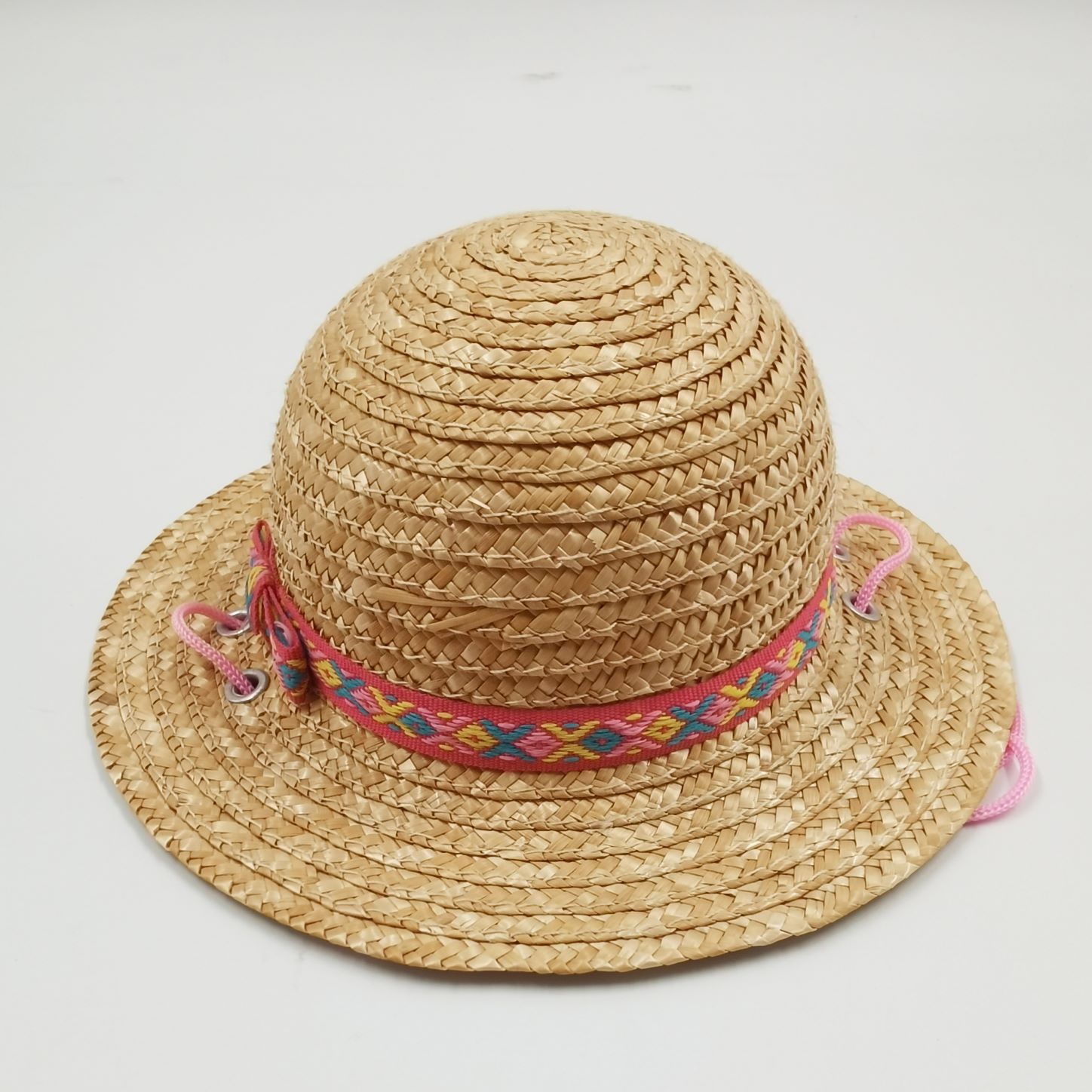
We break down the cleaning process into distinct phases. We move from the lowest risk method to moderate risk techniques. You should always start dry and only introduce moisture if absolutely necessary.
This phase forms the foundation of all headwear care. You should perform this step regularly, regardless of the material.
Tools needed:
A soft-bristled brush (horsehair is ideal).
A clean, dry microfiber cloth.
Execution:
Hold your accessory gently by the brim. Begin brushing in long, sweeping motions. Move counter-clockwise around the crown and brim. This direction follows the natural weave of most traditional hats. Brushing counter-clockwise lifts dirt out instead of pushing it deeper into the crevices. Do not press hard. Let the bristles do the work. Wipe away any displaced dust using your microfiber cloth.
If stains persist after dry brushing, you must move to spot cleaning. Exercise extreme caution here, especially with a natural Straw Hat.
Tools needed:
A clean, white cotton cloth (white prevents dye transfer).
Mild clear dish soap or gentle baby shampoo.
Distilled water.
Execution:
Dilute one single drop of soap into a cup of distilled water. Dip a small corner of your white cloth into this solution. Wring the cloth out forcefully until it feels barely damp. You do not want dripping water. Gently dab the stained area. Do not rub or scrub. Friction breaks dry plant fibers instantly. Dab repeatedly until the stain lifts. Let the spot air-dry naturally.
Sweatbands absorb massive amounts of oil, odor, and bacteria. The interior band protects the exterior weave from your skin. You must keep it clean.
Implementation Realities:
Flip the sweatband outward so it protrudes away from the straw. Keep the body of the hat dry. Use a soft-bristled toothbrush dipped in mild soapy water. Scrub the fabric or leather band gently. Work up a slight lather to break down the skin oils. Wipe the lather away using a damp cloth. Ensure no moisture bleeds through the stitching into the surrounding exterior weave. Leave the band flipped outward until it dries completely.
The internet provides terrible advice regarding delicate accessories. Following generic forum tips usually results in total destruction. We must highlight these disastrous recommendations and explain exactly why they fail.
Some guides suggest dunking the entire piece in a bathtub. Do not do this. Soaking a woven accessory completely destroys the protective varnishes applied during manufacturing. It also dissolves the natural glues and sizing agents holding the blocked shape together. Once these agents wash away, the crown will collapse. The brim will warp uncontrollably. You cannot restore the original structure after full submersion.
Avoid harsh household chemicals entirely. Never use bleach, window cleaners, or alcohol-based solutions. These chemicals dry out natural fibers immediately. They strip away the inherent moisture of the plant. The weave becomes incredibly brittle. Once brittle, the strands will snap and unravel at the slightest touch. Stick to heavily diluted, pH-neutral soaps.
Patience remains crucial during the drying phase. Many people try to rush the process using forced heat. They use hair dryers, place the item on radiators, or leave it inside a hot car. Forced heat causes rapid moisture evaporation. This rapid loss of moisture triggers severe shrinkage. The weave pulls tight, warping the brim and reducing the overall fit size permanently. Always air-dry in a well-ventilated, shaded room.
Different environments expose your headwear to specific chemical threats. Surf and beach styles face different hazards than western cowboy styles. You must address these specific environmental factors properly.
Ocean spray deposits crystalline salt deep into the weave. Salt acts as a desiccant. It degrades organic fibers quickly by sucking the life and flexibility out of them. You must act fast after beach use. Wipe down the exterior with a lightly damp cloth immediately. This removes the microscopic salt crystals before they dry and embed themselves permanently. Let it dry in the shade.
Oil-based stains remain the hardest to remove. Liquid soap often smears the oil further. Instead, rely on absorbent powders. Sprinkle a tiny amount of cornstarch or talcum powder directly onto the fresh oil stain. Press it down lightly. Leave the powder undisturbed for one to two hours. The powder will absorb the oil out of the fibers. Afterward, brush the powder away using your horsehair brush. Repeat if necessary.
Sweat frequently bleeds through the interior band and stains the exterior crown. These yellowed stains look terrible. However, you must set realistic expectations here. Sweat contains uric acid. Over time, this acid permanently bleaches and oxidizes the plant material. If the sweat has chemically altered the straw, cleaning will not restore the original color. You can remove the bacteria and surface dirt, but the yellow discoloration often remains permanent.
Proactive habits reduce the frequency of deep cleans. How you handle and store your accessory determines its lifespan. Proper etiquette prevents structural damage entirely.
Never pinch the front dents of the crown. People love grabbing their hats by the front pinch. This applies immense pressure to the sharpest folds of the weave. Over time, the brittle fibers at the pinch will crack and snap, leaving a visible hole. Always handle the item by the brim. Lifting it by the brim distributes the weight evenly and prevents stress fractures on the crown.
Gravity constantly pulls downward. Storing a hat flat on its brim will eventually flatten the designated swoop or curve. You should store it upside down, resting on the flat top of its crown. This protects the brim shape entirely. Alternatively, invest in a dedicated, rigid hat box. Store the box in a cool, dark place. Avoid attics or car trunks, as extreme temperature fluctuations destroy the structural blocking.
Minor dents happen. You can fix them using gentle steam. Hold a clothing steamer several inches away from the dented area. Allow the warm moisture to soften the fibers slightly. Use your fingers to gently push the dent out from the inside. Do not apply too much steam. Once reshaped, let the item rest untouched until it dries and cools completely. The fibers will lock back into their new position.
Sometimes, maintenance efforts fall short. You must decide whether the piece remains salvageable or if it belongs in the trash. Use logic to determine your next steps.
Examine the weave closely under good lighting. Look for cracked fibers along the crown pinch. Check for unraveled weaving near the brim edge. Inspect the interior for severe black mold. If you spot any of these issues, DIY methods will not work. Structural collapse that refuses to hold its shape even after steaming indicates a total loss of blocking agents.
You must weigh the financial realities. Sending a high-end, hand-woven piece to a specialized milliner makes sense. Professionals have specialized blocks and steaming equipment to restore expensive pieces safely. However, if your item is a budget-friendly, daily-wear accessory, professional intervention costs more than the item itself. Severe sweat stains or broken fibers on a budget piece usually signal it is time for a replacement.
Successful maintenance relies on gentle, dry methods first. You must enforce strict moisture control regardless of the stain type. Always identify your material accurately before proceeding. Proper handling and storage habits prevent the vast majority of structural issues. Remember to brush away dust regularly to stop abrasive wear and tear.
Take a moment today to assess your current collection. Begin with a safe, dry-brushing routine to lift away surface grime. Consider browsing for care accessories like horsehair brushes or protective sweatband liners to prolong the life of your favorites. If your headwear proves beyond repair due to cracked fibers or severe oxidation, explore new options. A pristine accessory always elevates your confidence and style.
A: No. You should never put it in a washing machine. The harsh agitation and massive water volume will permanently destroy the blocked shape. It will also break the delicate fibers and dissolve the protective varnishes entirely.
A: Use a slightly damp white cloth with mild, diluted soap to dab the stained area gently. Do not rub. If the sweat has oxidized and chemically bleached the fibers, the yellow color change may be permanent. Always focus heavily on cleaning the interior sweatband.
A: Synthetic straw, such as polypropylene, represents the easiest material to clean. It acts water-resistant and withstands moisture well. Natural woven fibers and delicate paper-braid options require much more delicate, moisture-free care routines.
A: It is highly advised against. Magic erasers act as fine abrasives. They will quickly strip the protective clear coating off the weave. This exposure leads to rapid drying, severe brittleness, and premature cracking of the fibers.


