

Views: 0 Author: Site Editor Publish Time: 2026-07-30 Origin: Site


The bucket hat has evolved far beyond its origins as a casual fashion accessory, transforming into a critical piece of technical outdoor performance gear. Prolonged exposure to the elements presents serious environmental risks, including UV radiation, thermal strain, surface glare, and unpredictable precipitation. Inadequate headwear can quickly turn an outdoor excursion into a hazardous situation, leading to sunburn, heat exhaustion, or impaired vision. When you spend hours on the water or days on a high-altitude trail, your gear needs to perform flawlessly.
To mitigate these risks, outdoor enthusiasts must adopt a systematic framework for evaluating headwear. This involves analyzing material science, brim architecture, gear integration, and specific environmental use cases. By understanding how these factors interact, you can select an outdoor Bucket Hat that ensures optimal protection, durability, and comfort across diverse climates. We will break down exactly what makes a hat field-ready.
UPF is Non-Negotiable: A minimum of UPF 50+ is required for serious outdoor use, but the rating must be inherent to the fabric weave, not just a chemical treatment.
Brim Architecture Dictates Performance: Brim width, stiffness, and under-brim color determine the balance between sun coverage, glare reduction, peripheral vision, and aerodynamic stability in high winds.
Material Selection Drives Thermal Regulation: The choice between synthetics and natural fibers directly impacts moisture-wicking capabilities, drying times, and environmental durability.
Versatility vs. Specialization: A reversible bucket hat offers multi-environment adaptability and styling options but requires careful evaluation of weight, layering, and breathability trade-offs.
Ultraviolet Protection Factor (UPF) measures the amount of UV radiation that penetrates a fabric and reaches the skin. Unlike SPF, which applies only to sunscreens and measures UVB protection, UPF evaluates both UVA and UVB transmission. A UPF 50 rating indicates that only 1/50th of UV radiation passes through the material. When you are exposed on a glacier or open water, this level of protection is mandatory.
Real-world conditions significantly impact a fabric's UV-blocking capabilities. Fabric tension, moisture saturation, and general wear stretch the weave, allowing more radiation to penetrate. Selecting a hat with a dense, inherently protective weave maintains consistent defense during active use. Chemical treatments wash out; tight weaves do not.
| Metric | UPF (Clothing) | SPF (Sunscreen) |
|---|---|---|
| Protection Type | Blocks both UVA and UVB rays | Primarily blocks UVB rays |
| Application | Inherent to fabric or chemically treated | Topical application on skin |
| Longevity | Lasts until fabric degrades or treatment washes out | Requires reapplication every 2 hours |
Effective heat dissipation from the scalp is a baseline requirement for outdoor headwear. The head generates significant heat during exertion, and trapping this heat leads to rapid thermal strain. A well-designed hat facilitates airflow while protecting against direct solar radiation. You need a microclimate on your head that breathes.
Moisture management relies heavily on internal sweatbands. These bands utilize capillary action to pull sweat away from the skin, spreading it across a larger surface area for rapid evaporation. This mechanism prevents sweat from dripping into the eyes and impairing vision during high-output activities like trail running or fast-packing.
Surface glare from water, snow, or sand creates intense visual strain and increases UV exposure to the eyes. Dark under-brims absorb reflected light rather than bouncing it back into your field of vision, significantly reducing eye fatigue. If you fish or paddle, a dark under-brim is non-negotiable.
Integration with eyewear is another critical success criterion. Advanced designs incorporate dedicated eyewear lock loops or specialized temple sleeves. These features secure sunglasses in place, preventing them from shifting or falling during dynamic movements or high winds.
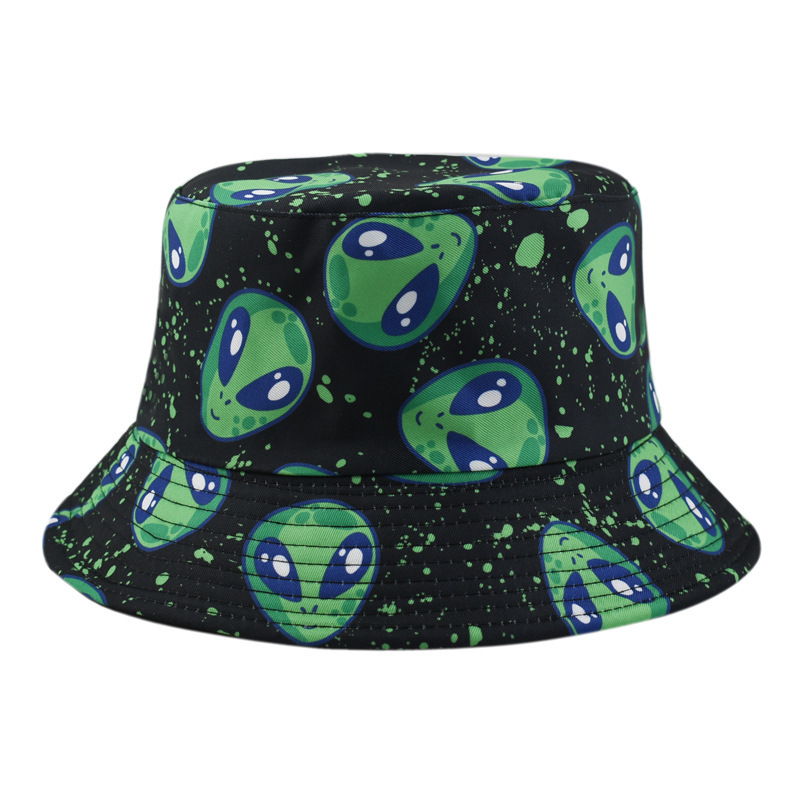
Synthetic fibers like nylon and polyester offer an exceptional durability-to-weight ratio, making them the standard for technical headwear. They withstand abrasion from branches and rocks while remaining lightweight enough to prevent neck fatigue during long days on the trail.
These materials boast inherent water resistance and rapid drying times. They do not absorb moisture like natural fibers, ensuring the hat remains light and comfortable even after heavy rain or intense sweating. Synthetics are ideal for high-output activities such as hiking, trail running, and paddling.
Ripstop grids are essential for off-trail navigation. This weaving technique reinforces the fabric at regular intervals, preventing small punctures from developing into catastrophic tears. It adds minimal weight while significantly increasing the garment's lifespan when pushing through dense brush.
Recycled synthetics, such as Econyl, provide comparable performance metrics to virgin materials while reducing environmental impact. When paired with PFC-free Durable Water Repellent (DWR) treatments, these fabrics offer sustainable weather protection without relying on harmful perfluorinated chemicals.
Natural fibers like cotton and canvas provide excellent comfort and a soft hand feel. They are highly breathable in dry conditions and offer a classic aesthetic that many users prefer for casual wear around camp or town.
However, natural fibers possess severe limitations for technical outdoor use. They retain moisture, leading to slower drying times and significantly increased weight when wet. A saturated cotton hat loses its structural integrity and insulation properties, making it unsuitable for demanding environments.
Fabrics treated with DWR coatings cause water to bead up and roll off the surface. While effective initially, these chemical treatments degrade over time due to abrasion, washing, and UV exposure. They require periodic reapplication to maintain performance.
Conversely, inherently water-resistant weaves rely on the density of the fabric structure to repel moisture. While they may not offer the immediate shedding effect of a fresh DWR coating, their performance remains consistent throughout the lifecycle of the hat, requiring less maintenance.
| Material | Durability | Dry Time | Best Use Case |
|---|---|---|---|
| Nylon/Polyester | High | Fast | High-output hiking, paddling |
| Ripstop Nylon | Very High | Fast | Off-trail navigation, bushwhacking |
| Cotton/Canvas | Medium | Slow | Casual wear, dry climates |
Optimal brim widths typically range from 2.5 to 3.5 inches. This dimension provides a necessary balance, offering adequate neck and face coverage without obstructing your line of sight or creating excessive drag in windy conditions.
Brim stiffeners are critical for wind resistance. Foam inserts, wire edges, or reinforced concentric stitching prevent the brim from collapsing or flapping violently in high winds. A rigid brim maintains the hat's protective profile during storms or alpine ascents.
For marine, paddling, and fly-fishing applications, buoyancy is a vital feature. The inclusion of closed-cell EVA foam within the brim ensures the hat floats if dropped in the water, preventing loss during aquatic activities.
Hydrophobic materials further enhance water performance. By resisting absorption, these fabrics maintain their lightweight profile and dry quickly, ensuring you remain comfortable during extended exposure to spray or rain.
Active heat venting regulates core temperature. Laser-cut perforations offer precise, low-profile ventilation, while traditional metal grommets provide durable, localized airflow.
The placement and surface area of mesh paneling significantly impact breathability. Strategic mesh inserts near the crown allow hot air to escape efficiently, preventing the buildup of trapped heat and moisture during strenuous exertion.
Adjustable, removable chin straps are necessary for securing headwear in marine or alpine environments. They prevent the hat from being torn off by sudden gusts, ensuring continuous protection.
Rear-crown shock-cord toggles allow for micro-adjustments to the internal circumference. This ensures a customized, secure fit that accommodates varying head shapes and prevents the hat from shifting during dynamic movement.
In environments dense with ticks and mosquitoes, hats pre-treated with permethrin-based insect repellents provide a primary line of defense. This treatment disrupts the nervous system of insects upon contact.
Compatibility with detachable bug netting systems offers maximum protection. A hat designed to integrate seamlessly with a head net ensures complete coverage without compromising visibility or ventilation.
A Reversible Bucket Hat offers significant practical applications for users navigating varied environments. For example, one side may feature a high-visibility color for hunting or safety signaling, while the reverse utilizes a neutral tone for wildlife observation.
This dual-sided utility extends to aesthetic styling for travel. By providing two distinct looks in a single garment, it reduces the need to pack multiple hats, optimizing luggage space for minimalist travelers.
Advanced reversible designs often employ hybrid configurations. One side might feature a tightly woven, water-resistant DWR shell for precipitation defense.
The reverse side could utilize high-breathability mesh or quick-dry nylon. This asymmetry allows you to adapt your headwear to shifting weather conditions simply by turning the hat inside out.
The structural reality of reversible designs dictates a dual-layer construction. This inherently impacts the overall weight and packability of the garment compared to single-layer alternatives.
Furthermore, the dual-layer requirement often precludes the inclusion of single-layer mesh ventilation panels. This increases heat retention, making reversible models less suitable for extreme high-output activities in hot climates.
Relying on "one-size-fits-most" sizing models presents significant fit risks. Precise sizing is necessary to ensure the retention systems function correctly without causing pressure points.
Crown depth directly affects stability. A crown that is too shallow will easily blow off in moderate winds, while one that is too deep will rest on the ears, causing chafing and discomfort over long periods.
Materials respond differently to being crushed in a backpack. Rigid designs carry the risk of permanent brim creasing, which compromises both aesthetic appeal and sun protection coverage.
Conversely, hats utilizing EVA foam brims and rollable technical fabrics possess excellent recovery capabilities. They can be stuffed into a pack and quickly regain their original shape upon deployment.
Improper washing protocols destroy technical headwear. Harsh detergents strip DWR coatings, degrade UPF ratings, and cause natural fibers to shrink aggressively.
To extend the lifespan of technical headwear, adhere to specific mitigation strategies. Follow these steps to maintain your gear:
Fill a basin with cold water and a mild, non-detergent soap.
Submerge the hat and gently agitate the water. Do not scrub aggressively.
Rinse thoroughly with cold water until all soap residue is gone.
Reshape the brim and crown while the hat is still wet.
Air-dry the hat away from direct sunlight and intense heat sources.
Choosing the right outdoor headwear requires prioritizing environmental demands over aesthetic preferences. Sun, wind, and rain dictate the necessary technical specifications for your gear. You must evaluate materials, brim architecture, and retention systems based on your specific use case.
Measure your head circumference accurately with a flexible tape to ensure a proper fit before purchasing.
Review manufacturer warranty policies regarding UPF degradation and DWR lifespan.
Select a lightweight synthetic model with a stiff, buoyant brim if your primary activities involve high winds or water sports.
Opt for a reversible model if you require low-output travel utility and dual-sided color versatility.
A: The ideal brim width is typically between 2.5 to 3.5 inches. This range provides an optimal balance, offering sufficient sun protection for the face and neck while minimizing wind resistance and maintaining a clear line of sight.
A: UPF protection depends entirely on the fabric weave of each specific layer. If the materials differ on each side, users must verify the UPF ratings for both surfaces to ensure consistent sun protection.
A: To secure a hat in high winds, utilize a combination of an adjustable chin strap and a rear-crown cinch toggle. This dual-retention system ensures a customized, secure fit that resists sudden gusts.
A: Cotton is generally not recommended for high-output hiking due to its tendency to retain moisture and dry slowly. It is better suited for casual, low-exertion activities in dry conditions.
A: UPF protection derived from inherent fabric weaves typically lasts the lifetime of the garment. However, chemical UV treatments may degrade and wash out after 30 to 40 wash cycles.
A: Hats designed with closed-cell EVA foam inserts in the brim will remain buoyant in water. Standard nylon or canvas hats lacking these inserts will saturate and eventually sink.
A: Yes, by following strict hand-washing protocols. Use mild, non-detergent soaps and avoid fabric softeners or machine drying to preserve the DWR coatings and structural integrity.


