

Views: 0 Author: Site Editor Publish Time: 2026-06-23 Origin: Site


Purchasing headwear online or in-store often leads to buyer's remorse. You eagerly unbox a new accessory, only to discover poor fit, inaccurate face-shape matching, or fragile materials. Many buyers watch their new headwear degrade after just one season of use.
A quality Straw Hat serves as a highly functional investment. It provides critical sun protection and helps regulate your body temperature during scorching summer months. You should view it as protective gear, not just a stylistic accessory. The right headwear blocks harmful ultraviolet rays, shields your eyes, and withstands challenging weather conditions.
We designed this guide to provide a rigorous, hype-free evaluation framework. You will learn to navigate complex materials, sizing realities, and diverse structural designs. We break down facial geometry rules and internal fit mechanisms. By the end, you will possess the exact knowledge needed to make a confident, lasting purchase.
Material dictates lifespan: Genuine Toquilla (Panama) offers superior breathability, while Palm leaf provides rugged durability and weather resistance.
Fit determines function: Sizing inconsistencies can be mitigated by prioritizing exact measurements or opting for an adjustable straw hat for variable conditions.
Shape matching follows geometry: Selecting crown height and brim width should contrast with, rather than mirror, your natural face shape.
Quality is verifiable: Look for tight weave densities, internal structural support (like wire brims), and genuine sweatbands over arbitrary "X-grade" marketing labels.
Brands frequently market their headwear using an "X" rating system. You might see a "10X" or "50X" label prominently displayed on the brim. They use this rating to denote weave tightness and overall quality. However, there is no universal industry standard regulating these numbers. A "20X" from one manufacturer might equal a "5X" from another. You should completely ignore these arbitrary marketing labels. Instead, evaluate weave density visually. Hold the material up to a light source. Fewer visible gaps mean better structural integrity and enhanced longevity.
Sun protection requires verifiable barriers. Many buyers assume all woven materials block UV rays effectively. They do not. A loose weave allows scattered sunlight to penetrate, leaving your scalp and face vulnerable to sunburn. True UPF protection demands a very dense weave. Alternatively, look for designs incorporating an under-brim fabric lining. This physical barrier guarantees verifiable sun protection regardless of the external weave pattern.
Structural integrity separates durable gear from cheap novelty items. A premium Straw Hat retains its shape through rigorous use. You must inspect three primary elements before purchasing:
Brim Wire: Look for a shapeable wire sewn directly into the brim edge. It allows you to customize the curve and prevents drooping.
Stiffening Agents: Quality manufacturers apply specialized lacquer or stiffening agents. These chemicals help the fibers resist humidity and hold their blocked shape.
Reinforced Pinch Zones: The front dents of the crown endure constant handling. Premium makers reinforce these inner zones to prevent cracking over time.
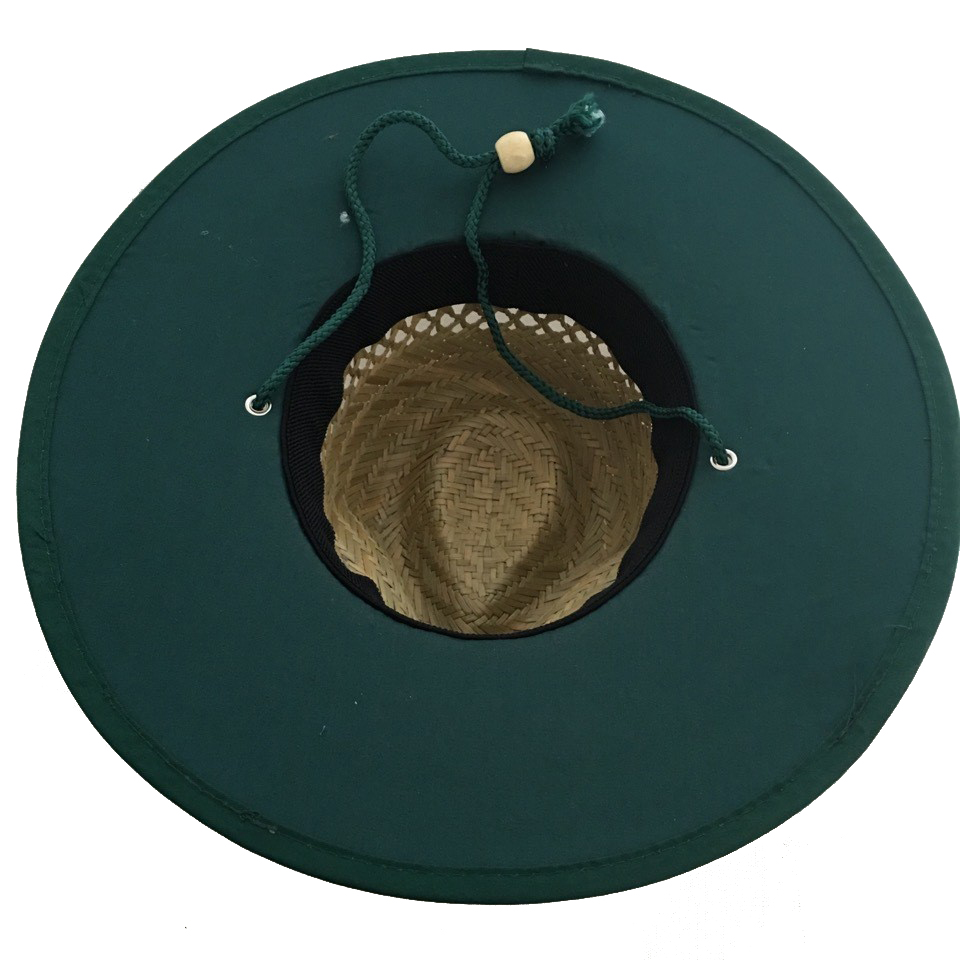
Material selection serves as the most critical step in your buying journey. The origin of the fibers dictates breathability, weight, and lifespan. Let us break down the three most common categories you will encounter in the market.
Despite its name, genuine Panama headwear originates strictly in Ecuador. Artisans hand-weave them from the leaves of the Carludovica palmata plant, commonly known as Toquilla.
Pros: They feel extremely lightweight on the head. They offer highly breathable comfort and deliver a timeless, classic aesthetic.
Cons: The delicate fibers remain prone to cracking if you frequently pinch the crown. They also command a premium price point.
Verification: Spotting a fake requires attention to detail. Authentic Toquilla features a distinctive rosette pattern at the absolute top center of the crown. Many cheaper brands sell "Panama style" paper blends, so always verify the "Made in Ecuador" stamp.
Workers harvest these heavy-duty leaves from specific palm varieties, usually in Mexico or Guatemala. They braid the leaves into long strips before sewing them together in overlapping layers.
Pros: Palm represents the ultimate heavy-duty option. It is naturally water-resistant. You can easily reshape it yourself using a simple garment steamer. It serves as excellent gear for active, harsh outdoor environments.
Cons: Palm feels noticeably heavier on the head. The overlapping sewn braids retain more heat than woven Toquilla.
Manufacturers create Toyo by coating twisted rice paper strands in a protective glaze. Other synthetic blends utilize nylon or polyester fibers spun to mimic natural organic materials.
Pros: They remain highly budget-friendly. The fibers bend easily, making them flexible and travel-friendly. You can often crush or pack them into a suitcase without permanent damage.
Cons: Paper and synthetics remain highly vulnerable to rain. Once soaked, they lose their blocked shape quickly. They generally suffer from a much shorter overall lifespan compared to natural palm or Toquilla.
| Material | Breathability | Water Resistance | Best Use Case |
|---|---|---|---|
| Genuine Panama (Toquilla) | Excellent | Low | Resort wear, formal summer events, high humidity |
| Palm Leaf | Moderate | High | Ranching, windy beaches, active outdoor labor |
| Toyo / Paper Braid | Moderate | Very Low | Single vacations, budget travel, casual weekends |
Many buyers select a style simply because it looks appealing on a display rack. They put it on, look in the mirror, and feel disappointed. This happens because they ignore the core rule of proportion. Hat geometry should balance your facial features through deliberate contrast. You want to select a silhouette opposite to your natural bone structure.
Round Faces require sharp, angular designs. If you have softer cheeks and a circular chin, you need geometric contrast. We recommend tall, pinched crowns like a teardrop or classic fedora block. Pair these crowns with slightly wider, asymmetrical brims. The asymmetry draws the eye diagonally, helping to elongate the face. You must avoid round bowler crowns or deeply curled brims, as they will only exaggerate a circular face.
Long or Oval Faces benefit from moderate-to-low crowns. An oval face already possesses significant vertical length. A tall crown adds unnecessary height, throwing your proportions out of balance. We recommend pairing shorter crowns with wider, flat brims. A flat, horizontal brim creates an optical illusion, adding necessary horizontal width to narrow cheekbones.
Square Faces feature strong, prominent jawlines and wide foreheads. You need softer, curved silhouettes to introduce balance. We recommend round crowns, such as a traditional gambler or a center-dent block. Choose upward-curved brims rather than sharp, flat ones. The gentle swoop of an upturned edge perfectly softens sharp jawlines and rigid facial angles.
Navigating size charts causes immense frustration for online shoppers. The sizing reality is grim: generic sizes like Small, Medium, and Large vary wildly between different manufacturers. One brand's medium might measure 57 centimeters, while another's measures 59. You must mandate measuring your own head circumference in exact centimeters for true accuracy. Use a soft tailor's tape measure. Wrap it mid-forehead, sitting just above your ears.
Once you nail the shell size, you must evaluate the internal sweatband. The band dictates daily comfort. Genuine leather sweatbands conform beautifully to your head shape over time. They create a custom fit, but they trap heat heavily against your forehead. Moisture-wicking synthetic bands serve you much better for high-heat active use. They dry quickly and prevent sweat from staining the exterior woven fibers.
Wind poses the final fit challenge. A gust of wind easily rips a rigid brim right off your head. We introduce the Adjustable Straw Hat as a highly practical solution to this problem. Modern designs incorporate an internal Velcro sizing tape or a hidden drawstring system located just beneath the sweatband. This mechanism solves micro-sizing issues instantly. If you just received a tight haircut, you simply pull the string tight. If you need a bit more room on a humid day, you loosen it. It anchors the piece securely, preventing it from blowing off in high winds without relying on cumbersome chin cords.
You now understand materials, face shapes, and sizing mechanisms. Before checking out, you must run your final selection through a strict pre-purchase checklist. Skipping these final validation steps often results in immediate buyer's remorse.
Use-Case Alignment: Force yourself to match the item strictly to its intended environment. Do not buy a delicate Panama for heavy ranching. Choose Palm for high-wind beaches or dusty trails. Reserve Toquilla for resort lounging and formal wear. Select crushed Toyo only if you need a disposable option for a single vacation.
Shipping and Packaging Risks: You must warn yourself about poor retailer shipping policies. Always check how a company packs its headwear. A poorly packed box results in a crushed crown. While palm leaf bounces back easily, heavily stiffened materials do not. A cracked Toquilla brim from shipping damage cannot be reversed.
Return Policies and Hygiene Rules: Premium hatters enforce incredibly strict return policies. Sweatbands absorb skin oils and cosmetics instantly upon fitting. Due to hygiene regulations, many retailers refuse returns once worn. Always check for hidden restocking fees or strict "tags-on" return windows before finalizing your transaction.
Choosing the perfect headwear requires balancing material durability, facial proportions, and exact sizing. You now possess a clear decision matrix. You know how to evaluate structural integrity and bypass meaningless marketing jargon. You understand how specific materials react to weather, heat, and packing.
Our final recommendation is simple: do not overpay for arbitrary grading terminology. Invest your budget in verifiable weave quality. Choose the appropriate material for your specific climate, and prioritize a reliable fit mechanism. An adjustable internal band saves you from constant sizing frustrations.
Take these rules and apply them directly to your search. Browse curated collections armed with your exact centimeter measurements. Pick a silhouette designed to contrast your facial geometry, and enjoy a lifetime of stylish sun protection.
A: It depends entirely on the material. Palm leaf handles moisture exceptionally well and dries without structural damage. However, genuine Toquilla and paper blends will warp, shrink, or lose their applied stiffening agents if exposed to heavy rain.
A: You can use a standard garment steamer to lightly soften the fibers. Once pliable, gently push the dents out using your fingers to reshape the crown. Keep the caveat in mind that deeply cracked or broken fibers cannot be repaired.
A: Always pick it up by the brim. Never pinch the front of the crown to take it off or put it on. Pinching constantly stresses the fibers, eventually causing the material to crack at its most vulnerable point.


