

Views: 0 Author: Site Editor Publish Time: 2026-10-24 Origin: Site


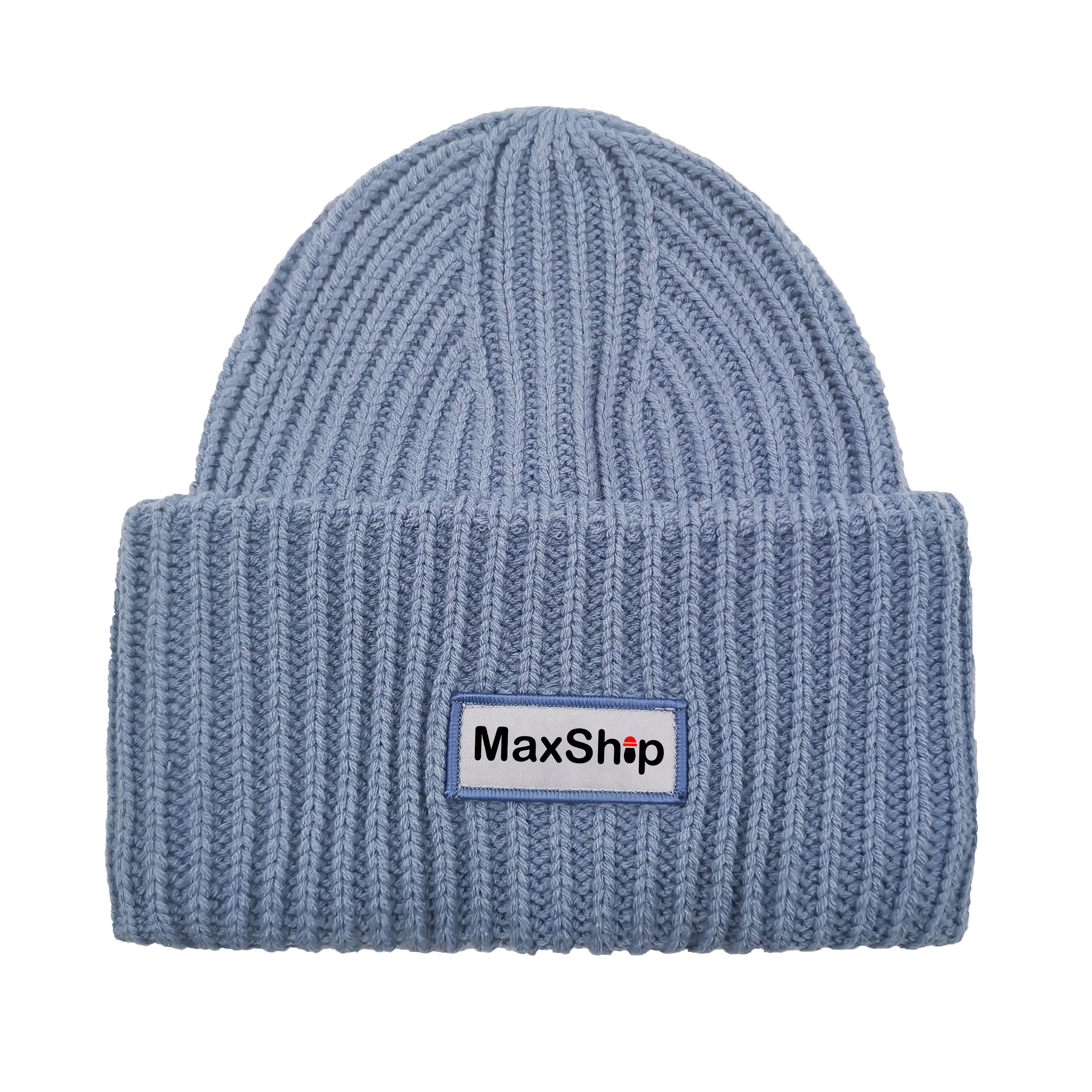
Choosing the right beanie hat can shape your brand's identity and profit margins. Should you choose custom designs or stock styles? This guide compares costs, materials, branding options, and lead times. Learn how to select the right sourcing strategy for your business.
Custom beanie hats allow brands to develop products around their own identity. Buyers can explore different yarns, colors, knit structures, cuff heights, labels, patches, and decorative details. Depending on the manufacturer's capabilities, customization may also include special shapes, jacquard patterns, embroidery, and distinctive finishing. This flexibility helps brands create products that look different from standard wholesale accessories.
Design control matters when a business wants to build a consistent collection. For example, a fashion label may need a specific shade that matches its seasonal clothing range. A sports brand may prefer a bold color combination and a clearly positioned logo. A promotional merchandise company may require a simple design that reflects a client's visual identity. Custom development gives buyers more opportunities to align the finished beanie with these requirements.
However, customization requires clearer specifications and more decisions before production. Buyers should prepare artwork, color references, material preferences, size requirements, and finishing instructions. Some changes may also increase sampling costs or production time. Before committing, ask the supplier which features can be adjusted and which require a new production setup. This helps determine whether the added design freedom supports the product's commercial purpose.
Stock beanies are existing products that suppliers already offer. Buyers select from available styles, colors, and materials rather than developing every detail from scratch. Some suppliers also allow basic branding, such as a woven label, embroidered logo, or patch. The exact options depend on the product and supplier.
This approach can suit businesses that need straightforward winter accessories or want to test demand before investing in a new design. Retailers can choose an existing knit style and concentrate on sales, packaging, and distribution. Promotional buyers may also find stock options useful when the main goal is to provide branded merchandise within a defined budget. Fewer development decisions can make the sourcing process easier to manage.
Stock availability should still be confirmed before an order is placed. A product shown online may not be available in every color or quantity. Buyers should ask about current inventory, possible substitutions, branding limitations, and replenishment arrangements. If the selected style sells well, confirm whether the supplier can provide the same product again. Stock purchasing is convenient, but reliable availability and consistent specifications remain important for long-term planning.
The choice between custom and stock products should begin with the role of the beanie in your business. If it is a central part of a fashion collection, distinctive design may justify the extra development work. If it is a seasonal giveaway or a short-term promotional item, an existing product may be sufficient. The decision should reflect customer expectations rather than customization alone.
Consider three practical questions. Does the product need to look different from competitors? Will customers pay for distinctive materials or design details? Can the expected sales volume support development and inventory costs? Your answers help establish whether custom production offers meaningful commercial value.
For example, a brand launching a premium winter collection may benefit from a custom ribbed knit, a specific cuff shape, and a branded woven label. A company ordering hats for a one-time event may prefer an available beanie with a simple logo. Both approaches can work when the purchasing method matches the intended use, budget, and schedule.
Tip: Define the product's purpose before requesting quotations. This prevents unnecessary customization and makes supplier comparisons more meaningful.

Material selection affects the appearance, feel, durability, and cost of a beanie. Acrylic is commonly used for knitted hats because it supports a wide range of colors and knit designs. Cotton, wool, polyester, and blended yarns may also suit different product requirements. Each material has different characteristics, so buyers should evaluate composition, softness, warmth, care requirements, and expected retail positioning.
Stock beanies limit buyers to the materials already available in the selected styles. This can simplify purchasing, but the available options may not match every brand requirement. Custom production may provide more freedom to choose yarns or adjust construction. However, a requested material could require additional sourcing, testing, or a different production schedule. Buyers should confirm availability before approving a design.
A useful starting point is to identify the product's intended climate and customer group. Lightweight knit beanies may suit mild winter conditions or fashion styling, while thicker constructions may better support colder-weather collections. Softness and stretch can also influence comfort and fit. Request material samples when these qualities are important. Avoid selecting a fabric based only on a product photograph or a general description.
The knitting structure plays a major role in a beanie's appearance. Ribbed designs create visible vertical texture and may offer a close-fitting look. Fine knits can appear more understated, while chunky textures may support casual winter styling. Cuffs, pom-poms, patches, woven labels, and decorative details further influence the final design.
Stock products provide a practical way to compare established styles. Buyers can choose a suitable silhouette without developing every construction detail. Custom designs allow greater control over these features, which can help a brand establish a recognizable product identity. The choice depends on whether the existing market options already meet the brief.
Maxship offers several examples that illustrate different design directions. Its Fashion Custom Short Knit Pigtails Rib Beanie provides a reference for a distinctive short ribbed style with a woven label. Brands can use this type of product to assess whether a more fashion-led silhouette fits their collection. Buyers should confirm available colors, materials, dimensions, and customization options before ordering.
Branding can range from a simple woven label to embroidery, patches, or knitted-in patterns. The best method depends on the logo, fabric, product positioning, and available budget. A small woven label may create a subtle appearance, while a patch or embroidered design can make the brand more visible. Jacquard knitting may suit designs that integrate logos directly into the fabric, subject to technical feasibility.
Stock beanies may support basic branding without changing the underlying product. This can be enough for corporate merchandise or event giveaways. Custom beanies provide more opportunities to coordinate the logo with the knit structure, cuff, and overall color scheme. However, more complex decoration may increase setup requirements and affect production time.
Ask the supplier to recommend a branding method for your artwork. Fine details may not reproduce clearly at a small size, and some decoration methods work better on particular knit structures. Request a physical sample if logo appearance is central to the purchase. Check placement, color, legibility, and attachment quality before approving the bulk order.
Note: Confirm that the final logo method works with the selected yarn and knit structure. A digital mock-up alone cannot prove production quality.
Stock beanies usually require fewer development steps because the supplier already has an established product design. Buyers may avoid some expenses associated with new patterns, special material sourcing, and multiple sample revisions. If the selected style is available in the required quantity, the purchasing process may also be simpler.
This can make stock products attractive for businesses testing demand or working with a limited budget. A retailer can begin with a familiar style and assess customer response before investing in a more distinctive design. Promotional buyers can also benefit when the delivery deadline is more important than exclusive product features.
However, stock does not automatically mean inexpensive. The final price still depends on material, quantity, branding, packaging, and shipping. Existing inventory may also be limited to certain colors or sizes. Before placing an order, request a complete quotation and confirm whether the price includes decoration and packaging. If the product needs substantial modification, compare the cost of customization with the cost of developing a custom style.
Custom beanie production may involve sampling, material sourcing, design preparation, special knitting instructions, and additional quality checks. These activities can increase the initial investment. The cost per unit may also depend on the order quantity, yarn choice, complexity of the design, and selected branding method.
For brands planning a long-term collection, these costs may be worthwhile. A distinctive product can help strengthen brand recognition and support a consistent product range. However, buyers should not assume that customization will automatically lead to higher sales or better margins. The commercial value depends on customer demand, pricing strategy, and product quality.
Compare quotations using the same specifications. Include development charges, sample costs, labels, packaging, freight, and applicable import expenses. Ask whether the supplier applies minimum quantities to each color or design. A lower unit price may require a larger order, which increases inventory exposure. A realistic cost assessment should balance unit economics with the risk of unsold products.
Stock products may be faster to source when the required quantities are already available. Yet branding, repacking, inspection, and shipping still take time. Buyers should confirm the actual inventory status rather than relying on a general claim of quick delivery.
Custom production usually involves more stages. These may include sample development, approval, yarn sourcing, knitting, decoration, inspection, and packing. Each stage can affect the delivery date, especially when the design uses special materials or multiple colors. Buyers should ask the supplier to provide a timeline with clear milestones and identify which approvals are needed before production begins.
If the order supports a seasonal launch, event, or retail promotion, build a buffer into the schedule. Confirm production lead time separately from transit time. Discuss how the supplier will communicate delays and whether alternative materials are acceptable. A realistic delivery plan is more valuable than an optimistic estimate that leaves no room for unexpected changes.
Tip: Compare the total landed cost and confirmed delivery schedule, not just the quoted unit price.
Not every supplier offers the same level of customization. Some focus on existing wholesale styles, while others support OEM or ODM development. Before choosing a partner, determine whether it can supply the materials, knit structures, logo methods, and quantities your project requires.
Ask for product examples and confirm the supplier's role in manufacturing. If certain processes are handled by external partners, clarify who manages quality and delivery. Request information about sample development, production checks, and repeat-order procedures. These details help you evaluate whether the supplier can support the entire order rather than only the initial quotation.
Maxship presents a range of winter accessories and describes services including OEM support, product development, fabric sourcing, and shipping coordination. Buyers considering a custom collection can review its Fashion Imitation Mink Fluffy Winter Hats Knitted Soft Beanies as a reference for a softer, fashion-focused winter style. Confirm the available yarn options, logo treatments, order quantities, and production terms directly with the company.
Samples are particularly useful when the beanie's feel, fit, or appearance affects the purchasing decision. Buyers should inspect the yarn, stretch, cuff shape, stitching, logo placement, and overall finishing. If the product will be sold at retail, also consider how it looks when worn and whether it matches the intended price point.
For custom products, approve a sample that reflects the final materials and decoration. Record the agreed specifications so the bulk order can be checked against the same standard. For stock products, request a sample from the actual style and confirm that the delivered goods will match the approved version. If branding is added after selection, check the decorated sample before production continues.
Keep the approved sample or clear reference records for repeat orders. If a supplier proposes changing the yarn, label, or construction, request written details and approve the change before proceeding. This simple process can reduce misunderstandings and improve consistency between samples and bulk production.
The best supplier is not always the one offering the lowest initial price. Brands should also consider communication, repeat-order consistency, material availability, and the supplier's ability to manage changes. These factors become more important when a product sells well and needs regular replenishment.
Stock products may suit businesses that value quick selection and straightforward purchasing. Custom products may be more appropriate when the brand needs a consistent design that is difficult to source from standard ranges. Some businesses can use both approaches: stock styles for basic merchandise and custom designs for signature collections.
Maxship also offers the Custom Acrylic Pompom Knit Hat for Winter, which provides a reference for a ribbed winter style with a pom-pom and patch detail. Buyers can compare this type of design with simpler stock beanies to assess the value of added styling. The final decision should reflect customer demand, quality requirements, purchasing budget, and the supplier's confirmed capabilities.
Choosing between custom and stock beanie hats depends on budget, branding, quality, and delivery needs. Maxship offers custom knitted beanies, OEM support, fabric sourcing, product development, and shipping services. Its flexible options help brands create distinctive winter collections.
Custom beanies offer more control over materials, colors, knit structures, and branding. Stock hats can be easier to source and may require less initial development. The better choice depends on your budget, timeline, and brand goals.
Stock beanies may reduce development costs, but the final price depends on quantity, materials, branding, packaging, and shipping. Compare complete quotations before deciding.
Many suppliers offer logo embroidery, patches, or woven labels on selected stock styles. Confirm which methods are available and request a sample to check the finished result.
Common options include acrylic, cotton, wool, polyester, and blended yarns. The best choice depends on comfort, warmth, appearance, care requirements, and budget.
Yes. Samples help verify material, fit, knit quality, logo placement, and finishing. Approve the final specifications before authorizing bulk production.


