

Views: 0 Author: Site Editor Publish Time: 2026-06-20 Origin: Site


Picture a classic summer day at the beach. You probably imagine someone wearing a wide-brimmed woven accessory. We love this timeless summer fashion for its breezy style and instant shade. But a dangerous gap exists between feeling cool and staying completely safe. Providing comfortable shade does not equal blocking ultraviolet radiation. Many people believe they are safe simply because their face feels shaded. They often end up dealing with unexpected sunburns on their scalp. Why does this happen? The natural woven fibers naturally create hundreds of microscopic gaps. We need to look closely at these physical limitations. Finding a genuinely safe option requires understanding material science and radiation behavior. We will explore how UV rays interact with different weaves. You will learn to identify what makes a genuine sun-safe hat. We will evaluate standard options against engineered protective wear so you can make informed decisions outdoors.
A standard woven straw hat provides unreliable sun protection due to light penetration through the weave gaps.
For verified safety, a dedicated UV protection straw hat with an integrated UPF (Ultraviolet Protection Factor) fabric lining is strictly required.
Effective sun protection relies on three non-negotiable factors: a tight weave (or lining), a brim width of at least 3 inches (7.5 cm), and secure fit mechanisms for outdoor conditions.
Buyers must trade off maximum breathability (unlined straw) against maximum UV protection (lined straw).
People often assume solid shade means zero sun damage. This assumption creates a false sense of security. Standard weaves contain tiny spaces between the natural fibers. We call this the pinhole vulnerability. Sunlight hits the top of the crown. Scattered UV rays slip right through these microscopic gaps. Both UVA and UVB rays reach your skin directly. UVA penetrates deep into the skin layers. It degrades collagen and causes premature aging. UVB affects the surface directly. It causes those painful immediate sunburns. You might sit outdoors feeling perfectly cool. Yet, your scalp and face actively absorb harmful radiation. Many outdoor enthusiasts discover localized sunburns later in the evening. They realize their traditional headwear failed them entirely. A basic weave simply cannot stop focused radiation.
You must understand the distinct difference between visible light and UV radiation. A standard weave excels at blocking visible sunlight. It also prevents direct infrared heat from baking your head. This gives you immediate comfort. However, UV radiation behaves completely differently. It operates on a much shorter wavelength. It easily pierces through tiny gaps in the fiber network. Think of it like a screen door. The screen blocks large insects but lets fine dust blow right through. Visible light is the insect. UV radiation is the fine dust. You cannot feel UV rays hitting your skin. You only feel the heat of the sun. Therefore, feeling cool does not guarantee you are protected. The physical structure of traditional headwear lacks the necessary density to stop high-energy rays.
How can you tell if your headwear is safe? You do not need specialized laboratory equipment. You can perform a highly practical evaluation at home. We call it the hold-it-to-the-light test. It works flawlessly for any woven material. Follow these simple steps:
Take the item outdoors on a very sunny day or find a bright indoor lamp.
Hold the item up directly between your eyes and the primary light source.
Look closely at the crown and the brim from the inside.
Check for any tiny specks of light piercing through the fibers.
If you see any visible light passing through, UV rays are passing through too. These micro-gaps act like open windows for radiation. Your skin will absorb everything coming through those holes. You need better coverage if the material fails this basic test.
These represent the most common styles found in coastal tourist shops. They focus heavily on aesthetics and immediate comfort.
Pros: They offer maximum air circulation. They feel extremely lightweight on your head. They deliver that classic, traditional aesthetic.
Cons: They provide entirely unverifiable UV blockage. You cannot trust them for serious sun exposure. The weave compromises easily during stretching or minor damage. They remain entirely inadequate for prolonged direct exposure outdoors. You wear these strictly for fashion, not safety.
This category merges traditional style with modern textile engineering. You get the classic look plus absolute peace of mind.
Pros: They offer guaranteed UPF 50+ protection. This blocks 98% of all incoming UVA and UVB rays. They feature superior structural integrity. They perform reliably regardless of the outer weave density.
Cons: They feel slightly heavier on your head. You might notice a potential reduction in crown heat dissipation. The internal fabric layer traps a bit more warm air inside.
We need to shift our perspective on buying headwear. Stop asking if a generic style is good enough. That question remains too broad. Instead, ask yourself if the specific model features engineered safety components. A basic unlined weave fails the safety test every time. A fully lined version passes effortlessly. For verified safety, you want a reliable UV Protection Straw Hat. This ensures your skin stays completely shielded during long afternoons outside.
| Feature | Traditional Unlined | UPF-Lined Protection |
|---|---|---|
| UV Blockage | Unreliable (Varies by weave) | Guaranteed UPF 50+ (Blocks 98%) |
| Breathability | Maximum airflow | Moderate airflow |
| Durability | Low to Moderate | High (Reinforced by inner lining) |
| Best Use Case | Short walks, fashion, twilight hours | Boating, hiking, all-day sun exposure |
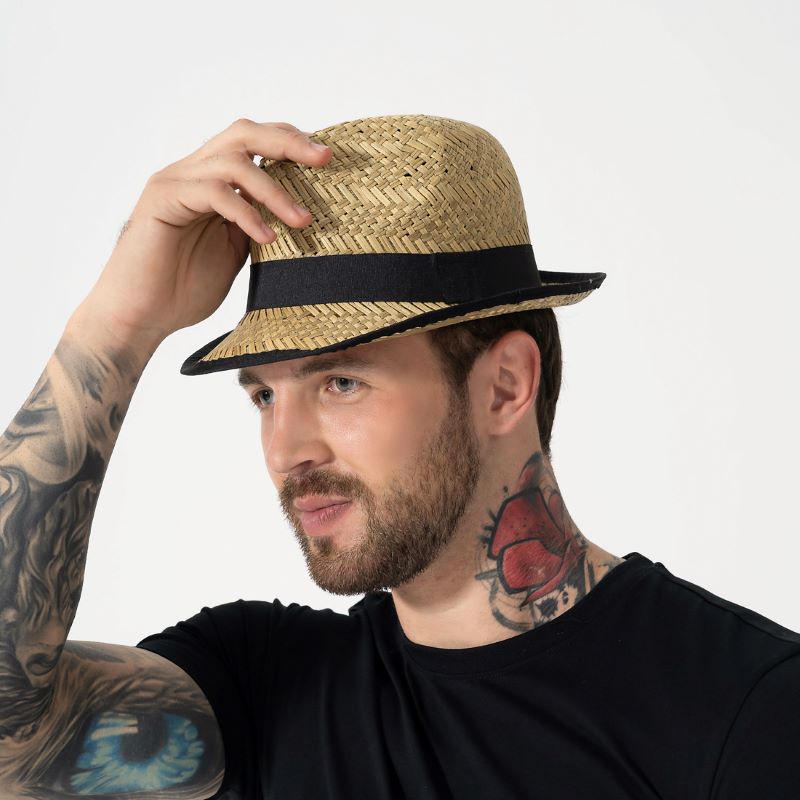
A high-quality UPF lining only protects what it physically covers. You need adequate shade coverage. Dermatological and radiation authorities provide strict baselines for this requirement. A minimum of 3 inches (7.5 cm) is required. This specific width effectively protects your nose, ears, and the back of your neck. Anything smaller leaves these high-risk areas dangerously exposed to daily radiation. Brim angle also plays a massive role in overall safety. A flat brim works well during midday when the sun sits directly overhead. However, a downward-sloping brim performs much better overall. It blocks side-angle radiation during early morning and late afternoon hours. It cups the face, creating a protective shadow bubble around your sensitive skin.
Many people forget entirely about reflected UV radiation. Radiation does not just fall from the sky. It bounces upward off surfaces like water, white sand, and concrete. Water reflects up to 10% of UV rays. Sea foam reflects even more. Your headwear might block direct sunlight perfectly. But reflected rays bounce right up into your face. We call this the underbrim glare factor. Premium sun-safe designs solve this issue smartly. They use dark fabric linings underneath the brim. Dark colors absorb incoming UV rays efficiently. Light colors reflect them directly into your eyes and onto your cheeks. Choosing a dark underbrim significantly reduces your total UV exposure on the water.
Material degradation destroys sun protection over time. Natural fibers like raffia and palm handle dry heat beautifully. However, they dry out and snap if you neglect them. Synthetic paper materials offer great uniformity. But they handle moisture poorly unless treated properly. You must assess how the material handles saltwater and daily wear.
Moisture Resistance: Does the crown warp when damp?
Flexibility: Do the fibers bend or snap under normal pressure?
UV Treatments: Is the material coated to prevent severe sun bleaching?
Cracked fibers create new gaps for UV rays. Proper material treatment prevents this rapid degradation. A premium Straw Hat uses high-grade materials designed to flex rather than break under stress. You must inspect the fiber integrity regularly to maintain your protective barrier.
Engineering a barrier for maximum UV blockage creates a physical reality. Adding a high-density UPF lining reduces the natural cross-breeze. You lose some of that traditional ventilation. We call this the heat retention compromise. You trade maximum airflow for maximum skin protection. Premium brands understand this trade-off completely. They solve it using targeted design features. They add built-in vents at the top of the crown. They incorporate high-performance moisture-wicking sweatbands. These inner bands utilize capillary action. They pull sweat away from your forehead quickly. The sweat evaporates, providing a reliable cooling effect. This makes the lined interior comfortable even in highly humid climates.
A broad brim creates massive drag in the wind. It acts exactly like a sail on a small boat. If you paddleboard or hike, you face frequent wind gusts. An accessory blown off your head provides zero protection. You must evaluate the fit mechanisms carefully. Adjustable chin cords, or lanyards, are absolutely critical. Internal drawstrings help customize the crown fit to your specific head shape. These mechanisms ensure the item stays firmly in place. You can paddle through a strong headwind without constantly adjusting your gear. Secure fit transforms a basic accessory into reliable activewear.
Traveling presents unique challenges for wide-brimmed designs. Many people make the mistake of crushing their natural woven items into suitcases. This causes permanent structural deformation. It breaks the internal fibers and creates new, invisible UV-exposure gaps. Rigid designs are strictly for local use. You should never pack them into a tight travel bag. If you need a travel-friendly option, look for specially treated packable materials. Otherwise, carry it on the plane or wear it during your journey. Protecting the structural integrity protects your skin. A crushed brim loses its specific geometry and compromises your shade coverage entirely.
Water environments amplify UV exposure dramatically. Reflected glare from the water surface remains highly intense all day. For these activities, you need maximum defense. Prioritize UPF-lined crowns to block direct overhead radiation securely. Choose dark underbrims to absorb upward glare efficiently. Select synthetic moisture-resistant fibers designed to survive constant splashing. Heavy-duty chin straps are mandatory here. You cannot chase lost gear while steering a paddleboard. This specific combination ensures reliable protection during harsh marine conditions.
Hiking exposes you to shifting sun angles over many hours. The terrain blocks the wind, increasing your core body heat. You need a different set of features here. Prioritize wide, downward-sloping brims to handle morning and late afternoon sun. Look for high-grade internal sweatbands to manage heavy perspiration on steep climbs. Choose lightweight natural materials like tightly woven raffia. Ensure the weave is dense enough to block light naturally. This setup keeps you heavily shaded and comfortable on the trail.
Not every outing requires expedition-grade gear. Sometimes you just need quick coverage for a short walk. A standard, densely woven accessory may suffice for brief exposures. You must pair it with high-SPF broad-spectrum sunscreen. Apply the sunscreen to your face, ears, and neck generously. You can wear an unlined fashion piece safely if you understand its limitations. It provides basic comfort, but your sunscreen does the heavy lifting for UV defense. Never rely on an unlined weave alone for a full afternoon outdoors.
Securing proper sun protection requires looking past traditional aesthetics. Standard unlined weaves simply leave your skin vulnerable to scattered radiation. Engineered headwear featuring UPF 50+ linings offers the only reliable defense against intense sunlight. Always prioritize models featuring at least a 3-inch brim to shield high-risk areas effectively. When shopping, immediately check the interior tag for a certified UPF rating. Measure the brim yourself to ensure it meets dermatological standards. Finally, test the fit by adjusting the chin strap and internal sizing band before heading outside.
A: Yes, absolutely. Natural weaves contain tiny microscopic gaps between the fibers. These gaps allow scattered UVA and UVB rays to pass directly through the material. Unless the item features a specialized UPF fabric lining, your scalp and face remain vulnerable to sunburns.
A: Unlined woven materials usually feel cooler because they allow maximum air circulation through the gaps. However, fully lined protective versions trap slightly more heat. Premium fabric sun hats often use advanced moisture-wicking technology and targeted venting, making them just as cool as traditional weaves.
A: Color matters far less than weave density and internal lining. A tightly woven light-colored fiber blocks more radiation than a loosely woven dark fiber. For guaranteed safety, focus on finding a certified UPF 50+ interior lining rather than worrying about the exterior color.
A: Use a soft-bristled brush to sweep away loose dust gently. For stains, use a slightly damp cloth with mild soap. Never submerge it in water. Excessive moisture causes natural fibers to swell, warp, and ultimately crack, which destroys its structural integrity and UV efficacy.


