

Views: 0 Author: Site Editor Publish Time: 2026-06-22 Origin: Site


You buy a summer hat to escape the scorching heat, only to end up with a trapped, sweating scalp. This frustrating experience happens far too often when consumers prioritize style over function. People assume the quintessential summer headwear naturally cools you down. However, breathability varies wildly based on fiber type, weave density, and interior construction. If you choose the wrong combination, you essentially trap a greenhouse on your head.
We created this technical evaluation guide to help you navigate these critical differences. You will learn how to weigh airflow against UV protection and durability. We will also show you how to inspect materials closely before making a purchase. Ultimately, you will know exactly how to select a genuinely cooling accessory tailored for your specific summer needs.
Material Matters: Natural fibers (like Toquilla and Raffia) naturally wick moisture and breathe better than synthetic or paper-based straws (Shantung).
The Weave Trade-Off: High breathability requires an open weave, which directly reduces the hat's UPF (Ultraviolet Protection Factor) rating.
Linings Trap Heat: Sun-blocking fabric linings guarantee UV protection but can negate the natural airflow benefits of a breathable straw hat.
Fit and Sweatbands: A proper fit and a moisture-wicking sweatband are just as critical for temperature regulation as the straw itself.
Buyers often purchase hats purely based on visual aesthetics. They ignore thermal regulation completely until they experience severe discomfort in the field or at the beach. You might look fantastic walking along the shoreline. Yet, a poorly designed hat quickly becomes unbearable under intense midday heat. Understanding the physics behind heat dissipation helps you avoid this common consumer trap.
Organic straw fibers possess incredible natural thermal properties. Unlike synthetic plastics, natural fibers expand and contract slightly as environmental temperatures shift. This organic movement allows trapped hot air to escape away from your scalp. Simultaneously, these natural fibers resist immediate heat absorption from direct sunlight. They act as a thermal buffer between the blazing sun and your skin.
Structural ventilation provides the core cooling mechanism for any Breathable Straw Hat. The overlapping physical structure of woven materials creates thousands of tiny micro-vents. These gaps fundamentally differ from solid fabrics like canvas, leather, or felt.
Convective Cooling: Ambient breezes pass through the micro-vents, pushing hot air out.
Evaporative Cooling: Moisture from your scalp escapes as vapor through the woven gaps.
Radiant Reflection: Light-colored fibers bounce solar radiation away, lowering surface temperatures.
We must clarify a critical assumption immediately. "Breathable" does not mean "sweat-proof." Your scalp will still perspire on hot days. The ultimate goal remains active heat dissipation, not the magical elimination of perspiration. A highly ventilated design ensures your sweat evaporates rapidly, which naturally cools the skin below.
You will encounter dozens of different materials on the market today. We break down the core solution categories you will likely see. Evaluating each material for baseline breathability ensures you spend your money wisely.
| Material Type | Breathability Rating | Durability Level | Best Environment |
|---|---|---|---|
| Toquilla | Excellent | Moderate | Tropical heat, luxury wear |
| Raffia | Excellent | High | Beach lounging, casual travel |
| Palm Leaf | Moderate | Very High | Ranch work, heavy gardening |
| Shantung / Paper | Low | Moderate | Urban fashion, short wear |
Toquilla represents the absolute gold standard for lightweight airflow. Artisans in Ecuador weave authentic Panama hats exclusively from these specific palm fronds. The microscopic cellular structure of Toquilla allows craftsmen to create tightly woven, incredibly flexible hats. Despite a tight visual appearance, the material breathes remarkably well. It dissipates heat much faster than nearly any other woven fiber available. If maximum cooling and premium style matter most, Toquilla remains unbeatable.
Raffia serves as an excellent option for casual, highly breathable headwear. Harvesters strip these strong fibers from tropical palm tree leaves found primarily in Madagascar. Natural resins remain safely trapped inside the fiber itself. This unique trait keeps the material supple and prevents it from becoming brittle. Artisans typically utilize naturally looser weaves when working with Raffia. This open construction allows maximum air circulation, making it perfect for humid, sticky environments.
Palm leaf provides moderate breathability but incredibly high durability. These hats feel substantially heavier and denser on your head. They offer superior sun protection and excellent water resistance compared to finer straws. However, this dense structure naturally traps more heat than fine Toquilla. You will frequently see palm leaf used in highly functional cowboy hats. They withstand rigorous outdoor work, rain showers, and heavy physical abuse perfectly.
Shantung and synthetic blends deliver extremely low breathability. Manufacturers originally developed Shantung from high-performance paper yarn. Factories often coat these paper hats in acrylic resins to increase durability. The resin completely seals the natural microscopic gaps between the woven strands. This coating traps head heat aggressively. While they offer a highly cost-effective price point, they perform poorly during intense heat waves.
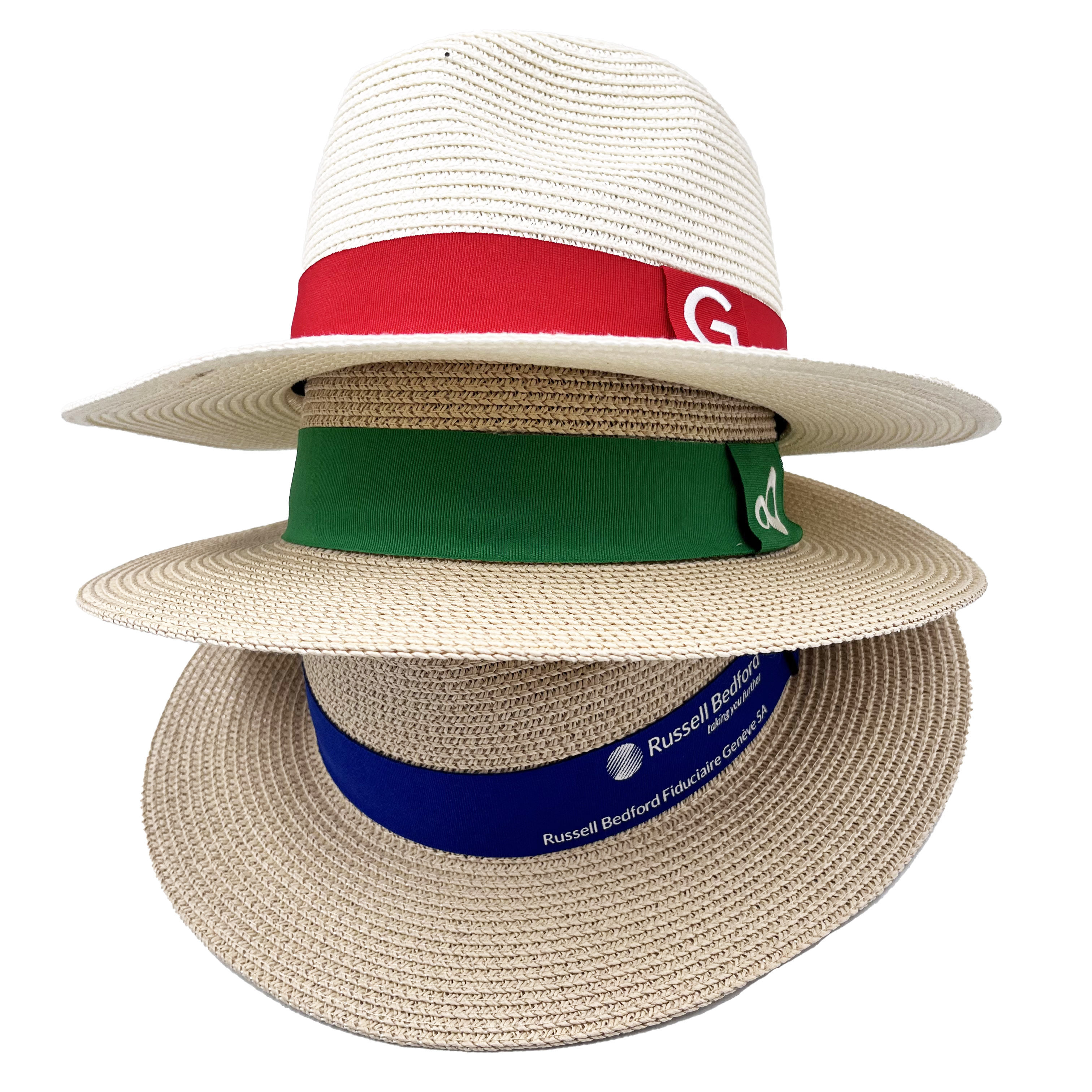
You must understand the key evaluation dimension behind sun wear: the inverse relationship between airflow and sun protection. You cannot have maximum wind circulation and absolute UV blockage simultaneously. Every purchase requires a deliberate compromise.
Consider the stark difference between an open weave and a tight weave. The Cuenca or Brisa weaving techniques represent an open, airy structure. They provide maximum airflow to your scalp. You feel every passing breeze instantly. However, this open design allows dotted UV light to shine straight through the gaps. You face a high risk for severe scalp sunburns if you lack thick hair. Conversely, the Llano or Fino weaves are densely packed. They offer a significantly higher UPF rating. Yet, they restrict rapid heat escape.
| Weave Style | Airflow Capability | UPF Protection Level | Scalp Sunburn Risk |
|---|---|---|---|
| Brisa (Open) | Maximum | Low (UPF 15-20) | High |
| Cuenca (Medium) | Good | Moderate (UPF 30) | Moderate |
| Llano (Tight) | Low/Moderate | High (UPF 40+) | Low |
| Fabric Lined | Minimal | Maximum (UPF 50+) | Zero |
Manufacturers often solve the sunburn issue through a lining compromise. They add an under-brim or full crown fabric lining to an otherwise airy hat. We must acknowledge a trustworthy reality here. Fabric liners absolutely guarantee a UPF 50+ rating. They block dangerous ultraviolet rays flawlessly. However, these solid cloth barriers significantly compromise the natural breathability of the outer fibers. You sacrifice vital micro-ventilation to gain complete sun defense.
You need a reliable framework for choosing the right headwear. The primary environmental demand must dictate your final choice. Follow this specific shortlisting logic to find your perfect match.
Evaluate your core activity: Are you sitting still or moving heavily?
Assess the UV risk: Will you face direct sun or shaded areas?
Determine the climate: Is the heat humid and sticky or dry and baking?
We strongly recommend heavy palm leaf or a tightly woven Toquilla for this demanding scenario. You must prioritize structural integrity and sun protection over maximum airflow. You will sweat heavily while pulling weeds or working fences. Look for thick, resilient materials that withstand physical abuse and dirt. Always ensure the hat includes a premium internal moisture-wicking sweatband to pull perspiration away from your brow.
Choose an unlined Raffia or an open-weave Toquilla style. You should prioritize maximum breathability above all other factors here. You want the cool ocean breeze to flow directly across your scalp. If the weave remains highly open, pair your hat with a topical scalp sunscreen. This combination keeps you safe from harmful UV rays while remaining incredibly cool.
A lined paper straw or a synthetic blend works perfectly for city environments. Breathability becomes secondary to shape retention and a lower price point here. You likely wear these accessories for short durations. Commuting to a shaded patio or walking downtown rarely causes severe overheating. Choose a stylish Straw Hat that holds its crisp shape perfectly throughout the day.
Never buy a summer hat that fits too snugly. A skin-tight crown leaves zero room for hot air to expand and escape. Always leave a tiny gap—roughly the width of your pinky finger—between the sweatband and your temples. This micro-space facilitates proper convective airflow.
Buyers frequently post post-purchase regrets on community forums. They ruin expensive accessories simply because they lack proper care knowledge. We want to help you address these implementation considerations before they become expensive problems.
Moisture management remains absolutely critical for longevity. Excessive, acidic sweat will quickly warp natural organic materials. A highly ventilated hat must be paired with a high-quality leather or cotton sweatband. This band protects the delicate outer fibers from body oils. If you sweat heavily, flip the sweatband outward after wearing. Let it dry completely in the shade. Never leave a damp hat enclosed inside a hot car trunk.
Brittleness and cracking plague lightweight organic fibers constantly. Highly breathable materials inevitably dry out over time, especially in arid climates. You must understand the reality of natural maintenance. Lightly mist your hat with distilled water every few months. Store it in a moderately humid environment to prevent the fibers from snapping.
Pinching the Crown: Never pick your hat up by pinching the top front. This repetitive stress inevitably cracks dry fibers. Always handle it gently by the brim.
Dashboard Baking: Leaving your headwear on a sunny car dashboard bakes the moisture out completely, causing catastrophic shrinkage.
Water damage ruins premium headwear almost instantly. We strongly warn against treating natural woven accessories as rain gear. Emphasize this rule: rain destroys fine weaves. While tough palm leaf can handle brief moisture storms, Toquilla and paper straw will lose their factory-blocked shape entirely when soaked. The internal sizing bands will also shrink dramatically as they dry.
A genuinely breathable summer hat always requires a thoughtful compromise between weave openness and robust UV protection. You cannot cheat the basic physics of thermal transfer and light blockage.
We advise you to always check the interior material tag closely. Avoid "paper" or heavily resin-coated varieties if intense heat dissipation stands as your primary goal.
Finally, always hold the weave visually up against a bright light source before finalizing your purchase. The amount of light shining through the gaps directly correlates to the amount of cooling breeze you will feel.
Invest in a design with a high-quality moisture-wicking sweatband, handle the brim gently, and your investment will keep you comfortably cool for many seasons.
A: No, provided they are unlined natural fibers. They generally dissipate heat much faster than closed-knit cotton or heavy polyester. The natural woven micro-vents allow trapped body heat to escape efficiently. If you sweat excessively in one, the problem usually stems from a synthetic resin coating or a thick fabric lining blocking the outward airflow entirely.
A: Only if it features a tightly woven structure or includes an internal fabric lining. Open, highly breathable weaves let tiny dots of direct sunlight penetrate to the scalp. If you choose an open-weave design for maximum cooling, you must use secondary sun protection like a topical scalp sunscreen.
A: Yes. Dark dyes naturally absorb more solar radiation. This physical property slightly reduces the perceived cooling effect compared to lighter models. Light-colored, natural, or bleached fibers reflect harsh sunlight away from your head. Choose lighter shades if you plan to spend extended periods in direct, intense midday sunlight.
A: Higher X ratings generally indicate a tighter, finer weave utilizing smaller, higher-quality fiber strands. This dense construction significantly increases durability, sun protection, and the price tag. However, these tightly packed fibers slightly reduce raw breathability compared to a looser, lower-X rating counterpart. You trade minor airflow for major longevity.


